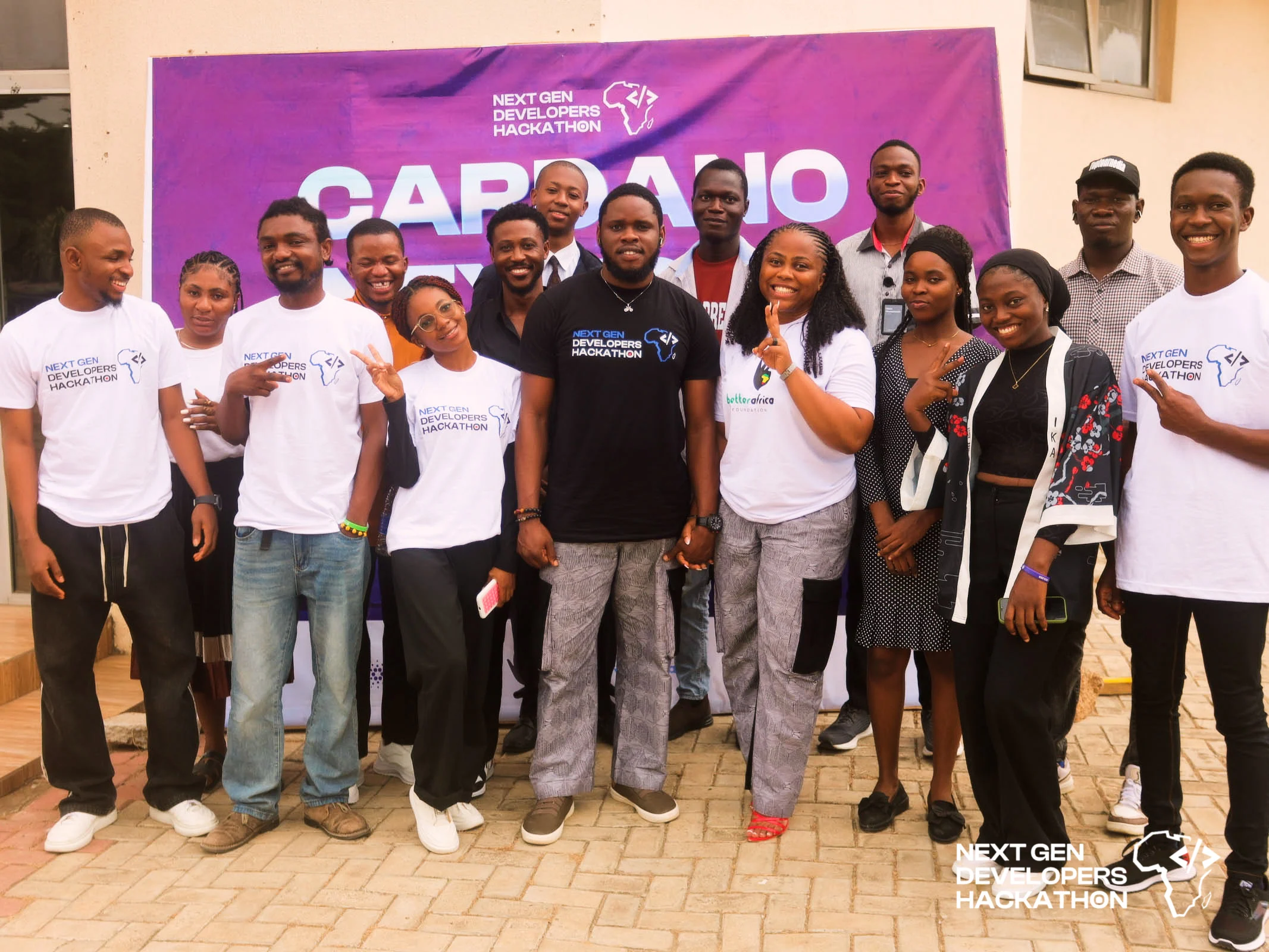

A major Nigerian innovation push is giving young tech builders a real chance to turn ideas into funded ventures through a new student-focused technology competition. The first edition of the NextGen Developers Hackathon brought hundreds of student developers from across Nigeria and Ghana together to compete, learn, and secure capital that could transform university projects into real businesses. This story captures how the event unfolded, the impact it promises, and why initiatives like this matter for Africa’s innovation future.
Young Innovators Take Centre Stage in Tech Funding Drive
Over 700 emerging developers from Nigeria and Ghana registered for the NextGen Developers Hackathon 1.0. The event targeted undergraduates and early-stage creators who often miss out on mainstream tech competitions primarily dominated by established professionals. Organised by the Better Africa Foundation with support from Cardano’s Project Catalyst and Remostart, the hackathon was more than a coding competition; it was a deliberate attempt to build an inclusive early-stage tech ecosystem.
Organisers said the hackathon was organised to tackle deep structural gaps in Africa’s innovation systems. Young people make up a large part of Africa’s population, yet the continent still depends heavily on imported technologies and finished products. Many graduates leave universities without skills that match industry needs, and informal work continues to absorb most young jobseekers. The hackathon aimed to counter these trends by equipping participants with practical development experience and connecting them to early-stage capital.
For many competitors, this was a rare chance to develop solutions with real market relevance. Nineteen teams built blockchain-based products from scratch within a span of a few weeks. Judges selected nine teams as finalists, and three top teams received financial backing in Nigerian naira that could fuel further development and scale-up.
Winning Projects Show Practical and Social Promise
The winning teams at the hackathon offered a glimpse of the depth of talent among young African developers. The top prize of ₦5 million went to Team K33P for their work on a self-custody digital safe. This solution allows users to securely store crypto assets and other sensitive digital information, ensuring safe transfer across generations. The second-place team, EcoReport, built a climate-intelligence platform that allows people in regions lacking reliable data to report extreme weather events. The platform strengthens AI-driven prediction systems and rewards contributors with blockchain-based eco-tokens. Team SafeNest, in third place, developed a security-focused real estate and asset protection platform designed to help property owners manage and protect physical assets.
Organisers pointed out that the financial awards given are far more than simple prizes for students. For many participants, especially those in their early years of university, the money represents validation that can unlock access to scholarships, fellowships, grants, and future rounds of seed funding. Instead of just going home with certificates, these student teams now have early capital that can help them refine their products and attract external investors.

Skills and Experience Matter as Much as Cash
While the top teams walked away with funding, many other participants gained valuable hands-on experience in areas that matter in the real world of tech. Several developers earned certification in open-source collaboration, smart contract development, and product design. These are skills increasingly seen as critical as the continent works to close gaps in AI readiness and digital infrastructure.
More than 250 developers also attended portions of the event in person in Lagos, highlighting how interest in tech innovation is spreading beyond the digital world into live gatherings where networking and peer learning flourish. Over the course of the competition, organisers had to manage common challenges such as coordinating teams across different cities and handling unstable internet connectivity, issues many young innovators in Africa are all too familiar with.
Beyond practical skills, the hackathon gave participants exposure to the broader landscape of tech entrepreneurship. Many students said the experience helped shape how they think about building products that solve real-life problems, while connecting them with peers and potential mentors who might help them long after the competition ended.
What This Means for Africa’s Innovation Landscape
For leaders of the event, the hackathon is part of a bigger mission to help young Africans participate more fully in the global technology economy. Duke Peter, founder of the Better Africa Foundation, emphasised that supporting youth innovation at an early stage is essential to building sustainable economic value across the continent. He frames the challenge as one where Africa must move from being a consumer of technology to being a global creator of it.
Peter noted that ongoing brain drain, where talented young Africans relocate abroad for opportunity, poses a threat to local innovation ecosystems. Youth employment programmes often lack long-term strategy, coordination, or integration with broader industry needs. Initiatives such as the NextGen Hackathon are intended to help fill these gaps by blending education, practical experience, and entrepreneurial support into a pipeline that nurtures talent from classroom to marketplace.
Looking ahead, organisers said they want to take the hackathon model further, extending it to more regions of Africa, strengthening partnerships with universities, and offering sustained mentorship after the event. Unlike one-off competitions that offer cash prizes at the final whistle, this approach seeks to make the investment in young innovators continuous, offering support that can turn early promise into lasting tech enterprises.
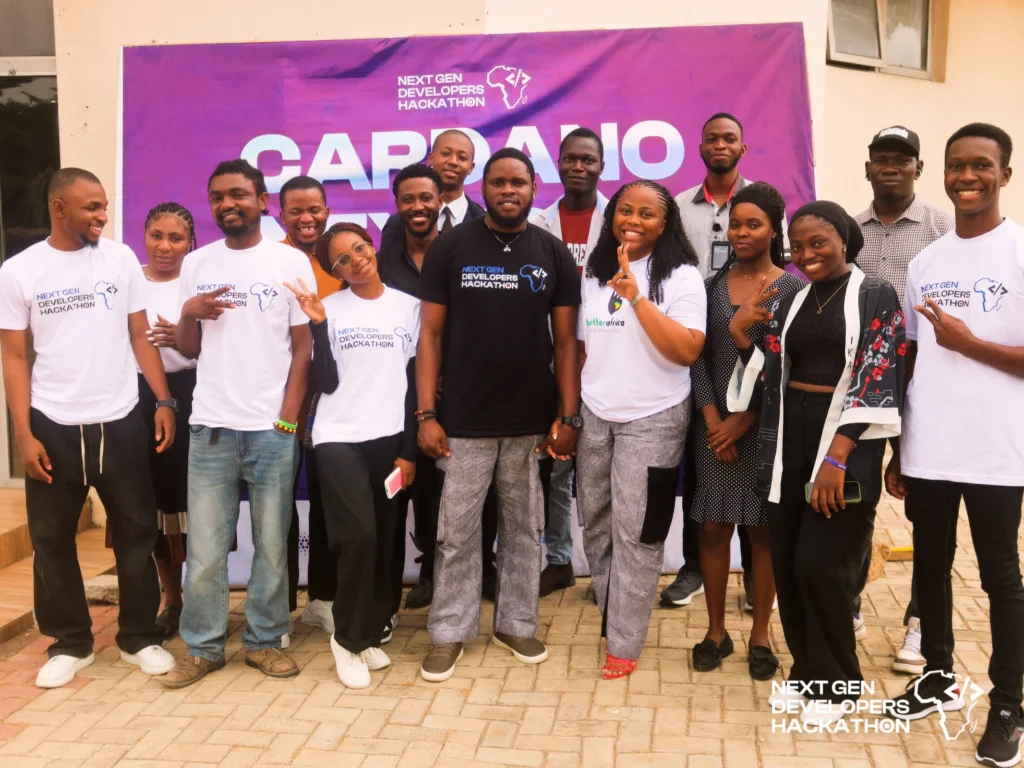
Stakeholders in Nigeria’s startup ecosystem and beyond see initiatives like this as key to building a stronger pipeline of tech startups, improving talent retention, and helping transform Africa from a market that primarily adopts technology from abroad into one that contributes to creating it globally. With many young Africans now gaining real on-the-job experience, access to capital, and connections to technology networks, the future for student-led tech ventures in Africa looks brighter and more promising than ever before.
If replicated at scale, competitions like this hub could be the turning point that bridges the gap between academic excellence and commercially viable products, helping to drive economic growth, job creation, and technological advancement across the continent.
Join Our Social Media Channels:
WhatsApp: NaijaEyes
Facebook: NaijaEyes
Twitter: NaijaEyes
Instagram: NaijaEyes
TikTok: NaijaEyes