The Federal Government of Nigeria has taken a bold step towards reforming education and tackling youth unemployment by disbursing more than N10 billion as stipends to students enrolled in technical and vocational training programmes. This major investment in human capital development puts a spotlight on skills training as a practical alternative to conventional academic education in a country grappling with high unemployment and an urgent need for market-ready skills.
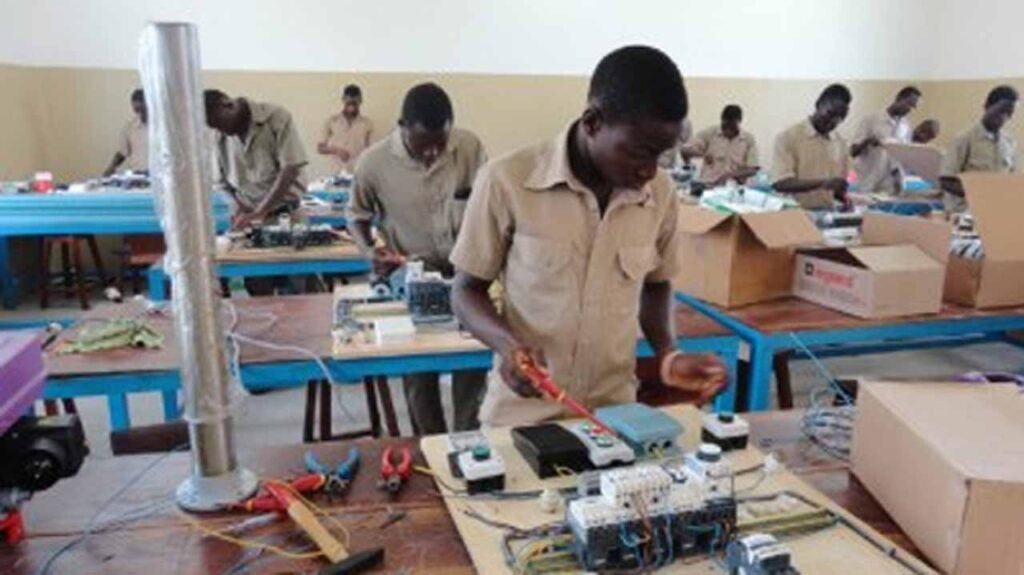
At the heart of this initiative is the government’s push to strengthen the Technical and Vocational Education and Training (TVET) system. TVET is designed to equip young Nigerians with practical skills that prepare them for jobs in sectors such as hospitality, mechanics, agriculture, fashion and other trades that drive economic growth. This effort aligns with broader reforms to make education work harder for citizens and contribute to inclusive economic development.

A New Direction for Education and Youth Empowerment
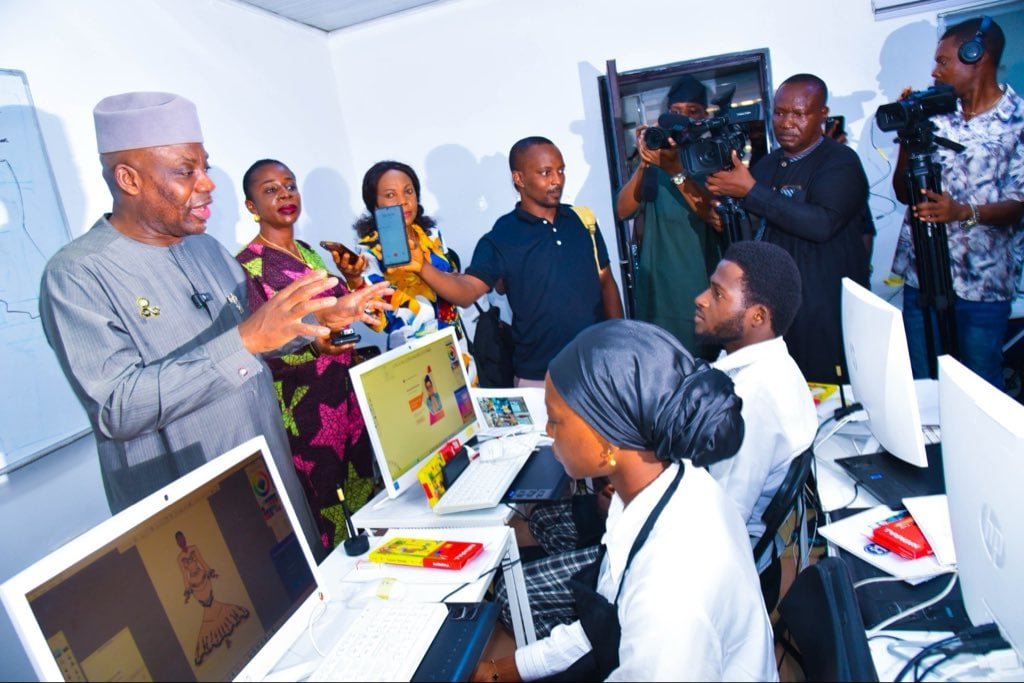
In a recent interaction with journalists in Lagos, the Honourable Minister of Education, Dr Tunji Alausa, highlighted that the stipend payments form part of the Federal Government’s free technical and vocational training programme that began late last year. This support is intended not only to ease the financial burden on students but also to encourage enrolment and participation in skills acquisition programmes.
Under this programme, students receive monthly stipends to support their daily needs while they focus on hands-on training. Simultaneously, vocational training centres that host these students are compensated at a rate of N45,000 per month for each enrollee, ensuring that training providers remain motivated and equipped to deliver quality practical instruction.
Another critical component of this drive is the government’s plan to enter into a Memorandum of Understanding with Singapore to strengthen teacher training for vocational subjects. Singapore’s education system is globally recognised for its robust and well-structured technical and vocational pathways, and officials hope that tapping into that expertise will help build a cadre of highly qualified instructors who can sustain and expand this initiative across Nigeria.
The Minister emphasised that linking training to employment opportunities is central to the government’s approach. By ensuring that Nigerian youths graduate from TVET programmes with skills that are relevant and in demand, the government aims to reduce dependence on traditional white-collar jobs and promote self-employment and entrepreneurship.
World Bank Endorsement and Expanded Partnerships
This federal intervention has drawn positive attention from international partners. During a site visit to a training centre in Surulere, Lagos, Scherezad Latif, World Bank Practice Manager for Education for Africa, West and Central, commended the Federal Government’s strategy of using vocational training to address unemployment. She referred to Nigeria’s programme as one of the largest in the region and praised the observable motivation among students participating in the TVET initiative.
Latif pointed to the strong outcomes already visible in the field and expressed optimism about the long-term impact of developing a workforce that can meet the needs of Nigeria’s evolving economy. This support adds legitimacy to the federal government’s agenda and encourages continued investment in similar projects.
The World Bank’s positive assessment is particularly important given that this programme forms part of the Innovation Development and Effectiveness in the Acquisition of Skills (IDEAS) project, which local officials say has already trained 26,000 youths nationwide across three cohorts. The first two cohorts enrolled about 8,000 participants each, demonstrating rising interest and uptake of technical education.
Building Capacity and Creating Opportunity
An official of the Federal Ministry of Education, who also serves as the National Project Coordinator for the TVET programme, Mrs Blessing Ehi Ogwu, explained that this initiative represents a significant government commitment to reducing unemployment and removing youths from social vices associated with joblessness. She noted that training centres are spread across the country, with more than 400 locations dedicated to different vocational disciplines.
Mrs Ogwu pointed out that the training is cost-free for participants and that the programme does more than just provide education. Graduates receive starter packs to help them begin their entrepreneurial journeys, and they are poised to access soft loans from the Bank of Industry to further boost their business prospects upon completion of their training.
The dual design of the TVET initiative incorporates hands-on practical training as well as internships with industry partners. For example, in the hospitality sector at the Wavecrest College of Hospitality in Lagos, trainees undergo three months of on-site practical instruction followed by three months of workplace internships. The approach is intended to ensure that participants not only learn theory but also gain real-world experience that makes them job-ready.
One beneficiary of the programme, Ihedioha Ifeanyinchukwu, expressed deep gratitude for the opportunity provided by the government, noting that the stipend and training give young Nigerians hope for a future where they can compete effectively in the labour market. Their testimonies underscore the human impact of these policies on individuals and households.
Renewed Hope Agenda in Action
The stipend programme is a flagship component of President Bola Ahmed Tinubu’s Renewed Hope Agenda, which prioritises human capital development, youth empowerment, and sustainable economic growth. By focusing resources on skills acquisition and employability, the administration is signalling a long-term vision for reforms that align education with workforce demands and national development goals.
While traditional university education remains essential, Nigeria’s economy is increasingly calling for technicians, artisans, tradespeople, and service industry professionals. The renewed emphasis on technical and vocational education is designed to fill that gap and enable a new generation of Nigerians to thrive in occupations that offer stability and income generation.
As the programme scales up, analysts and education experts are watching closely. Success will likely depend on sustained funding, effective monitoring, continuous curriculum updates, and strong private-sector partnerships that can expand internship and employment opportunities for graduates. Initial responses from students and partners have been encouraging, suggesting that this model can be a viable path forward for transforming Nigeria’s labour landscape.
With millions of young people still struggling to secure gainful employment, the Federal Government’s investment in stipends and skills training is a concrete step that marries education with economic opportunity. The drive to modernise TVET and elevate its profile in the national education discourse reflects a strategic shift that could reshape Nigeria’s workforce for decades to come.
The Federal Government’s disbursement of more than N10 billion in stipends to students participating in technical and vocational education represents a strategic effort to empower youths, reduce unemployment and build a skills-based economy. With international backing, enhanced teacher training, industry-aligned curricula and financial support for graduates, this initiative offers a promising blueprint for human capital development across the country.
Join Our Social Media Channels:
WhatsApp: NaijaEyes
Facebook: NaijaEyes
Twitter: NaijaEyes
Instagram: NaijaEyes
TikTok: NaijaEyes