In a major push to deepen digital literacy across the continent, global blockchain firm Binance and African mobile operator Africell have announced plans to partner on blockchain education, crypto literacy and new digital services for people and businesses in Africa. The collaboration brings together Binance’s worldwide experience in blockchain and digital assets with Africell’s wide reach across several African markets to create meaningful opportunities for communities that are eager to join the digital economy.
This initiative comes at a time when digital transformation and crypto adoption are expanding across African countries. By focusing on education and accessible technology, the two companies hope to help millions of Africans better understand blockchain technology, use digital payment systems and participate responsibly in digital finance.
A Strategic Partnership With Real Potential
At the centre of this collaboration is a shared goal to bring practical blockchain education to a wider audience. Binance will contribute its technical expertise and global educational resources, while Africell will leverage its extensive mobile network infrastructure and local customer base. The partnership is broad in scope but grounded in tangible programmes that could benefit everyday users, startups, and current and future players in the tech economy.
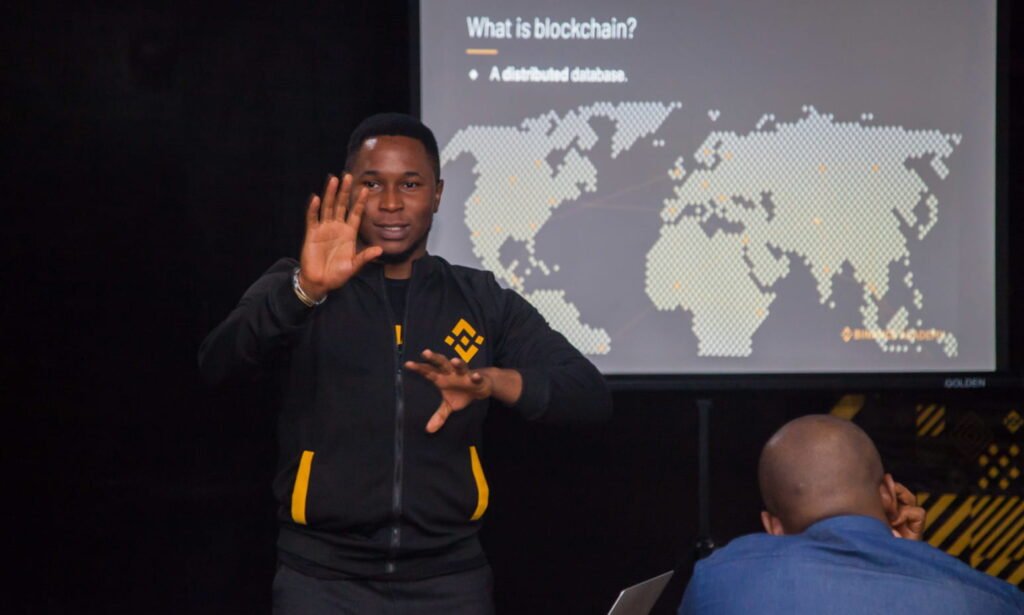
Key areas under discussion include the development of co-branded educational content, hands-on workshops and blockchain learning modules hosted on Binance’s established education platforms. These programmes aim to help learners, entrepreneurs and professionals build the skills they need to make informed decisions about digital assets and blockchain tools.
Beyond education, the partnership also seeks to explore crypto payment solutions. Together, the companies will look at integrating tools that make it easier for people to use digital currencies for payments and services directly through Africell’s platforms. Discussions also include enhancements to peer-to-peer (P2P) digital asset transactions that could make it safer and more efficient for users to trade without needing traditional banks.

Why This Matters for Africa
Africa is home to a rapidly growing population of young, tech-savvy people who are enthusiastic about mobile technology and digital innovation. Mobile phones are already the gateway for financial services across many parts of the continent, and blockchain education could build on this foundation. By equipping people with knowledge about digital assets and blockchain mechanics, this partnership aims to reduce barriers to entry and help users avoid common mistakes or misunderstandings that have slowed adoption in the past.
Financial inclusion remains a key challenge in many African countries. Bank fees, slow remittances and limited access to financial services have long held back economic participation for many citizens. Blockchain and cryptocurrencies offer alternative pathways that are faster, cheaper and more transparent. But without proper education and safe usage practices, these tools can create confusion or expose users to risk. The collaboration between Binance and Africell is designed to address this gap by giving people the skills they need to engage confidently with digital finance.
Another advantage for local markets is the potential for improved digital services. Africell’s leadership sees the venture as part of a broader effort to expand digital offerings for customers. By introducing global blockchain expertise into its ecosystem, the mobile operator expects to open up new opportunities for users who want to leverage digital assets for everyday needs and for businesses seeking efficient solutions to existing challenges.
Voices From the Leaders
Speaking on behalf of Binance, business development executive Jack Wong emphasised the shared vision driving the partnership. He highlighted the commitment to empowering African communities, not just with technology, but with practical tools and education that can change how people participate in the global digital economy.
From Africell’s side, Head of Business Development Nidal Safetli described the partnership as a strategic move to bring world-class blockchain knowledge into the African context. According to Safetli, this is not just about launching programmes, but about equipping communities with skills that can boost confidence and enable people to play an active role in digital finance.
While specific details about the co-branded courses and technical integrations are still being finalised, both organisations have indicated that they are working towards concrete rollouts in the months ahead. Early user promotions and potential revenue-sharing models are also part of ongoing talks, which could create opportunities for increased engagement and adoption.
What Comes Next
The announcement has sparked optimism among digital finance advocates who see Africa as a key frontier for the next wave of blockchain and crypto innovation. With collaborations like this taking shape, digital skills and financial inclusion could improve significantly, helping individuals and businesses access broader economic opportunities.
Details about specific launch timelines, participating markets and course content are expected to be shared in the coming months. There is also the possibility that this partnership could be extended to include other companies within Africell’s wider corporate family, potentially expanding the reach of these initiatives even further.
For now, the announcement marks a noteworthy step towards a future where blockchain education and digital financial tools are not just concepts but accessible realities for millions of Africans eager to engage with the modern digital economy.
Join Our Social Media Channels:
WhatsApp: NaijaEyes
Facebook: NaijaEyes
Twitter: NaijaEyes
Instagram: NaijaEyes
TikTok: NaijaEyes