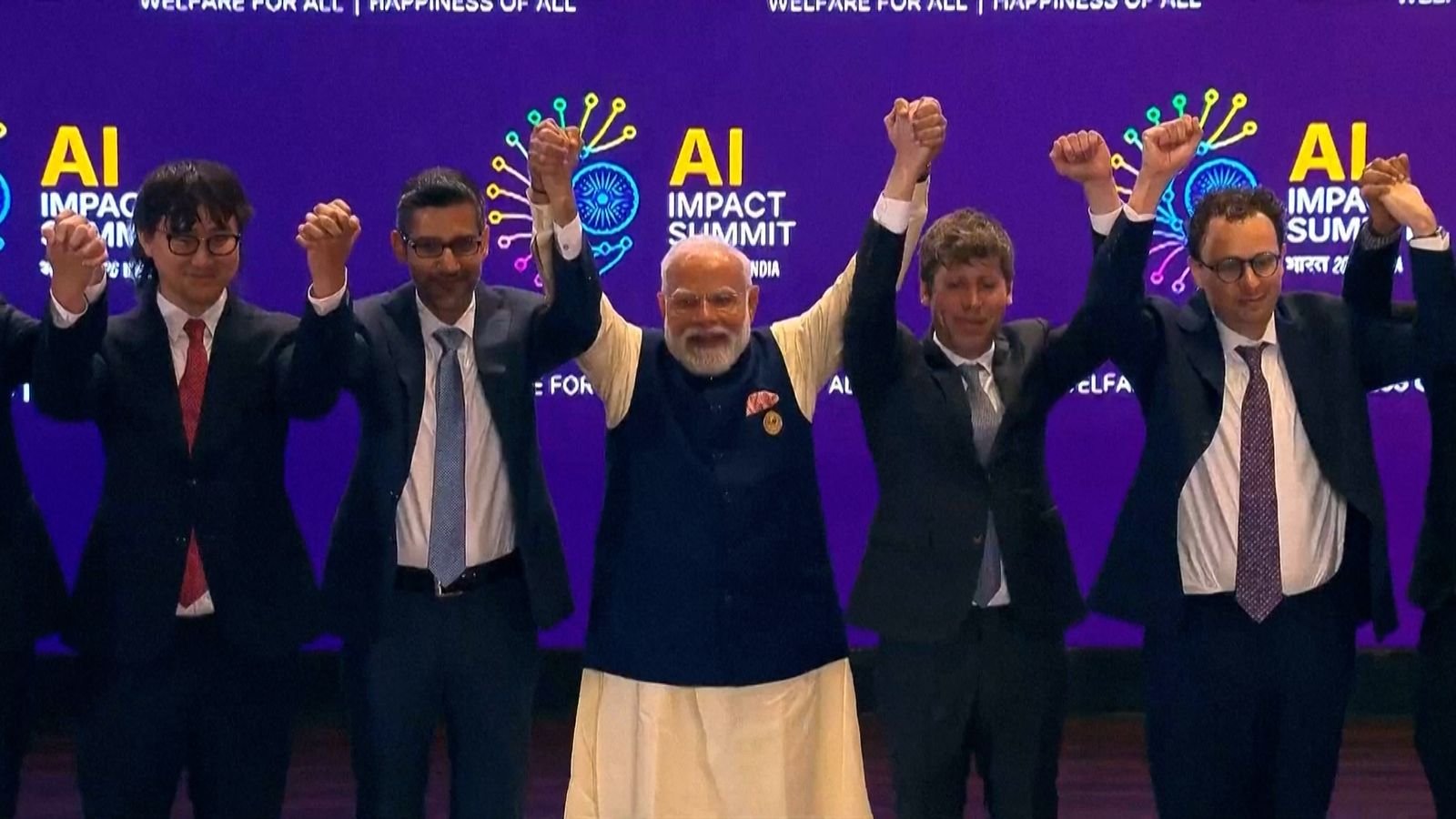

At the heart of New Delhi this week, the technology world gathered for the 2026 India AI Impact Summit. The event brought together presidents, ministers, business leaders and innovators to explore how artificial intelligence can shape national futures and global partnerships. Among the most notable moments was a powerful address by the United States delegation, which outlined a comprehensive strategy for spreading American AI technology across the world while promoting national control and self-determination in the digital age, according to The White House.
In a world where digital innovation increasingly determines economic opportunity and geopolitical influence, the United States used its platform at the summit to make a clear statement: it intends to be a cornerstone of global AI adoption. This message came through strongly in remarks delivered by Michael Kratsios, Director of the White House Office of Science and Technology Policy, who led the U.S. delegation. His speech emphasised that AI should serve the people of nations, not centralised bureaucracies, and that technology partnerships can unlock prosperity for all participants.
According to the U.S. officials, “real AI sovereignty” means access to world-leading technology that nations can use and adapt to benefit their citizens, while preserving control over their digital infrastructure and data. This approach, they argued, steers a middle path between technological isolation and uncritical reliance on external systems, allowing countries to pursue their own development goals.
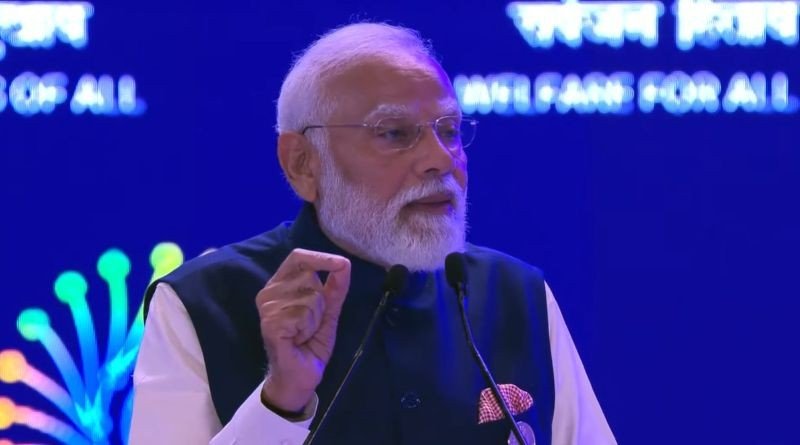
The United States is Prioritising AI Adoption for National Growth
A central theme of the United States’ presentation at the summit was the urgent need to boost the adoption of advanced artificial intelligence. U.S. officials pointed out that disparities in how quickly and effectively countries integrate AI into key sectors are widening. They warned that many developing economies risk being left behind if they do not accelerate their efforts.
Rather than advocating full technological independence, the U.S. message encouraged strategic autonomy combined with rapid deployment of best-in-class AI tools. According to the delegation, this blend allows countries to enjoy both innovation benefits and sovereign control. Officials highlighted several sectors where AI can have an immediate impact, including health care, agriculture, energy and education, saying that early investment in these areas offers tangible rewards for citizens and economies alike.
Underlying this message was a clear critique of global governance frameworks that rely on centralised oversight structures. The United States stressed that AI adoption should not be slowed down by what it called bureaucratic barriers. Instead, it urged countries to retain control over how technology is used and regulated within their borders.

The United States is Introducing New Initiatives to Support Global AI Growth
To turn words into action, the United States announced a series of new initiatives aimed at helping partner nations expand their AI capabilities. At the heart of this effort is the American AI Exports Program, designed to share top-tier U.S. artificial intelligence technologies and expertise with trusted partners.
One major highlight was the launch of the National Champions Initiative. Under this programme, the U.S. Commerce Department will integrate leading AI companies from partner countries into bespoke American AI export stacks. This, officials said, will strengthen domestic AI industries while building capacity for future innovation.
Another key announcement was the establishment of the U.S. Tech Corps. This initiative, operating through the historic Peace Corps framework, will pair volunteer technical experts with nations seeking support in implementing advanced AI systems for public services. The goal is to provide hands-on assistance in areas such as transportation, health services, education and agricultural productivity.
In recognition of the financial challenges developing countries face when investing in cutting-edge technology, the U.S. Treasury Department also revealed plans to launch a dedicated fund within the World Bank. This new resource aims to help countries overcome budgetary constraints, complementing support from institutions like the Export-Import Bank and the U.S. International Development Finance Corporation.
Lastly, a new standard-setting initiative was unveiled by the National Institute of Standards and Technology (NIST). The AI Agent Standards Initiative will focus on developing secure, interoperable frameworks for next-generation AI systems to build trust and encourage broader adoption.
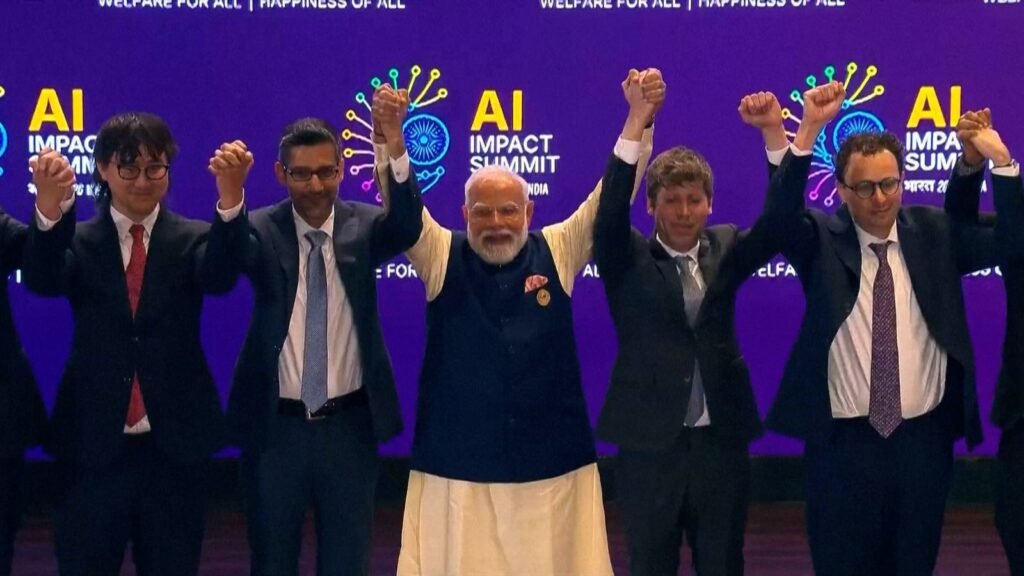
What This Means for the Global AI Landscape
The summit in New Delhi underscored that artificial intelligence is no longer just a technological buzzword. It is now a pivotal element of national development strategies and global diplomacy. By highlighting strategic autonomy and partnership, the United States signalled its intention to shape the way nations access and use AI technologies.
For India, hosting the summit has strengthened its role as a forum for global discussion on AI’s impact and future direction. The event brought together voices from governments, international organisations and the private sector to share perspectives on how to harness AI for economic growth, social inclusion and technological empowerment.
The United States’ vision of exporting its AI tools and fostering sovereign adoption also reflects broader debates around how technology should be governed internationally. While some discussions focus on shared rules and collective oversight, the U.S. stance prioritised national control and the ability of individual countries to set their own regulatory course.
As nations around the world continue to invest in digital transformation, conferences such as the India AI Impact Summit are likely to play a key role in shaping the partnerships, frameworks and ecosystems of the future. For smaller and developing economies, especially, access to expertise, funding and world-leading technology could be a defining factor in how they compete and thrive in the digital era.
In the weeks and months ahead, the implementation of initiatives like the American AI Exports Program and the U.S. Tech Corps will be watched closely, as governments, businesses and communities evaluate what these efforts mean for growth, innovation and global cooperation in a rapidly changing world.
Join Our Social Media Channels:
WhatsApp: NaijaEyes
Facebook: NaijaEyes
Twitter: NaijaEyes
Instagram: NaijaEyes
TikTok: NaijaEyes