Apple is quietly but aggressively building the next generation of wearable technology that could reshape how we interact with artificial intelligence in daily life. The latest reports from technology analysts and industry insiders suggest that the company is developing a trio of new devices that go far beyond traditional smartwatches or wireless earbuds. These upcoming wearables are built to harness on-device AI, letting users access contextual and environmental awareness in real time while staying deeply connected to their iPhone, according to MacRumours.
Three New Wearable Devices Headed to Market
According to people familiar with Apple’s plans, the tech giant is working on three primary on-device AI wearables that are expected to launch over the next few years. Each product is designed not just as a gadget but as an intelligent companion that understands and responds to what the user sees and hears, rather than simply waiting for spoken commands.
The first in this lineup is AI-powered smart glasses that could rival similar products from competitors like Meta. Industry sources expect these glasses to feature advanced cameras, microphones, and speakers that feed visual and auditory data into a more capable version of the Siri assistant. Early prototypes are reportedly in testing, and Apple may begin production as early as late 2026 with a launch planned for 2027.
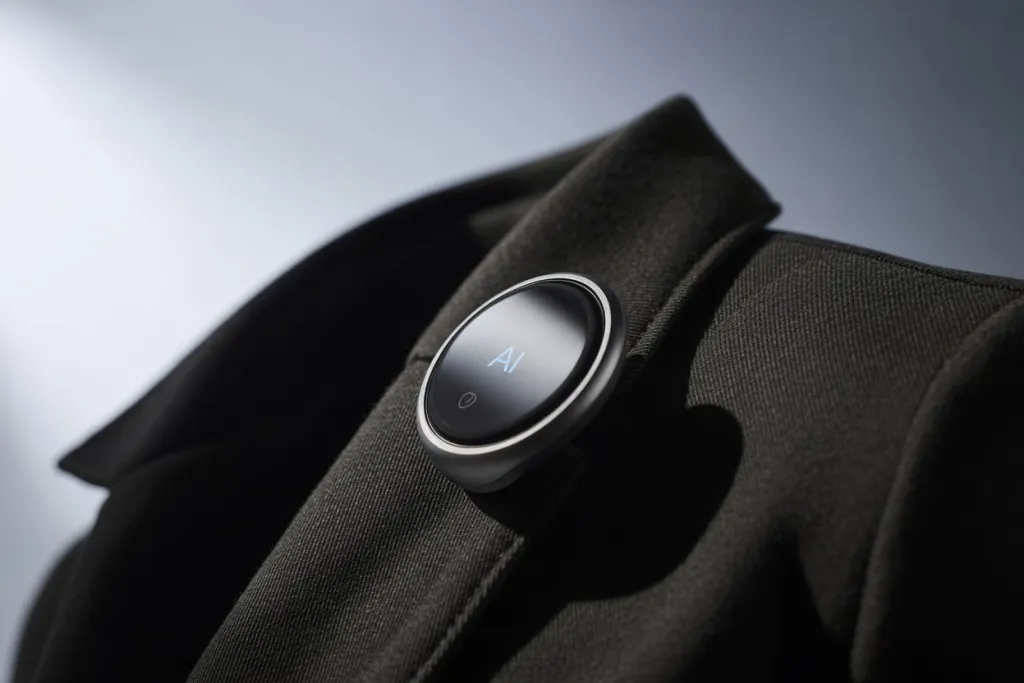
Alongside the smart glasses, Apple is developing a wearable AI pendant roughly the size of an AirTag that clips to clothing or hangs as a necklace. This device is designed to act as the “eyes and ears” of the iPhone, continuously scanning the wearer’s surroundings and feeding that context into Siri for intelligent responses and actions. Unlike past attempts by other companies, Apple’s pendant is expected to work closely with the iPhone rather than operate as a standalone AI device.
The third device in the pipeline is a new generation of AirPods with built-in cameras and AI features. These AirPods will be more than audio accessories; the cameras and sensors they include are meant to enhance spatial awareness, recognise gestures, and offer hands-free interactions with the world around you. While details remain limited, insiders say that these AirPods will be tightly integrated with Apple’s upcoming Siri update, which will prioritise visual context.
Together, this trio represents a bold push into wearable AI, signalling Apple’s intention to lead the industry into a new era of personalised technology experiences.

How Apple’s Vision Is Different
What sets Apple’s approach apart from earlier experiments is the emphasis on on-device artificial intelligence. Instead of relying solely on cloud processing, these devices are designed to run much of the AI work locally, improving responsiveness and privacy. By embedding cameras and sensors directly into wearable accessories, Apple wants your technology to understand the world around you, not just react to voice commands after you say “Hey Siri.”
Industry analysts believe this reflects a broader shift in how tech companies imagine the future of human–computer interaction. Rather than pulling out a phone every time you need information or assistance, your devices could quietly work in the background, offering relevant support when you need it. This context-aware AI could recognise objects, describe scenes, and initiate actions based on your surroundings — all without interrupting your flow.
This vision isn’t trivial. It requires powerful processing within small gadgets, seamless integration with existing ecosystems like iOS, and a reimagining of Siri from a voice assistant into a visual-aware AI partner. Apple’s deep ecosystem, from iPhones to Macs, gives it a strong foundation for this evolution.
Competition Heating Up in AI Wearables
Apple is not the only company racing to define the future of wearable AI. Meta has already made significant progress with its smart glasses products, including AI-linked pairs and gesture controllers that have captured public attention. These devices aim to blend the digital and physical world, letting users interact with data without pulling out a smartphone.
Beyond Meta, other tech giants such as Google and Samsung are also expanding their wearable portfolios. Samsung recently launched its own extended reality headset that incorporates AI features, aiming to broaden what wearable tech can do.
These developments show that the industry as a whole is moving fast, and Apple is clearly determined not to sit on the sidelines. In some cases, the company has even paused or shifted other projects to focus on this new wearable push. For instance, resources once dedicated to upgrading its mixed-reality headset Vision Pro have reportedly been redirected toward smart glasses development, signalling how high Apple’s leadership believes the stakes are in this space.
What This Means for Users and the Future
For consumers, Apple’s move into on-device AI wearables could change how we interact with technology on a daily basis. Imagine asking for directions and your glasses not only understand the question but also identify nearby landmarks and overlay the best route. Or think of your earbuds subtly noticing when you enter a familiar place and offering useful information without a spoken query.
This future could make technology feel more intuitive, seamlessly assisting without interrupting. However, it also raises important questions about data privacy, battery life, and how constant environmental sensing will work in day-to-day situations. Apple is known for putting user privacy at the centre of its products, and it will be crucial to see how these new devices handle sensitive information responsibly.
For now, the industry waits to see how quickly Apple can bring these wearables to market and how well they perform once they arrive. What is clear is that the era of purely screen-focused computing may be gradually giving way to a world where intelligent technology follows us more closely and naturally than ever before.
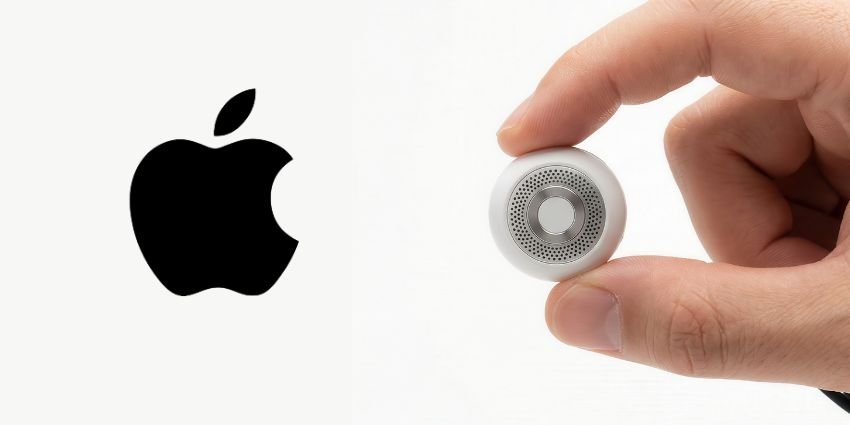
Apple’s push into smart glasses, AI pendants, and camera-enabled AirPods highlights a major shift in wearable technology. These devices are more than accessories; they are steps toward a future where artificial intelligence becomes an everyday presence, offering information and support in real time with minimal friction. As Apple continues to refine its vision and accelerate development, the wearable tech landscape is set for dramatic change in the years ahead.
Join Our Social Media Channels:
WhatsApp: NaijaEyes
Facebook: NaijaEyes
Twitter: NaijaEyes
Instagram: NaijaEyes
TikTok: NaijaEyes