Nigeria’s digital story in 2025 was defined by two major trends. On one hand, an unprecedented number of Nigerians embraced online life with 148.2 million subscribers connected to the internet. On the other hand, the rising cost of data signals clear warning signs for many households and businesses trying to stay online in a tough economic environment. This dual narrative reflects both the promise and the growing challenges of internet access in Africa’s most populous nation.
Strong Growth in Internet Adoption
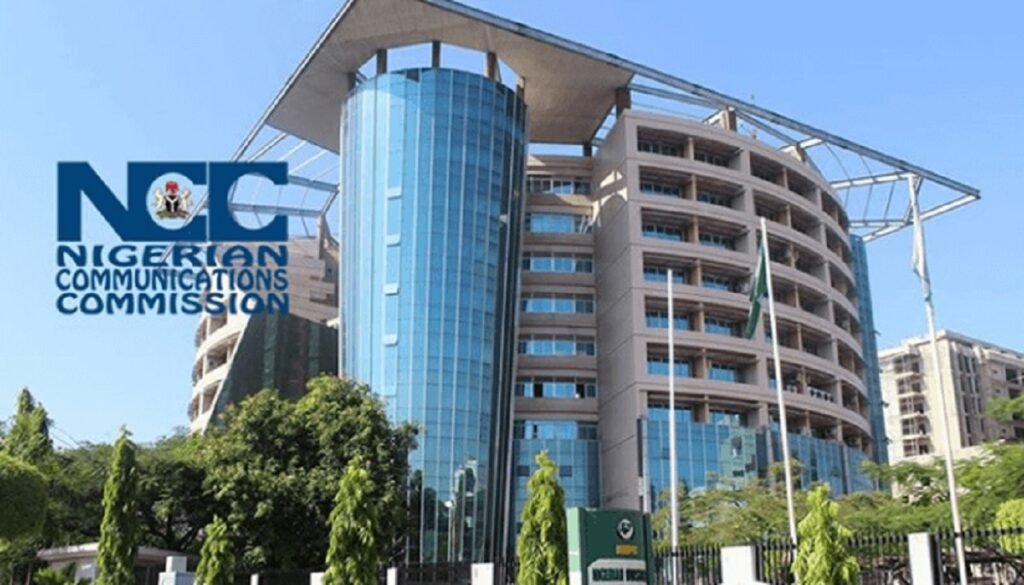
Official figures from the Nigerian Communications Commission show that by the end of December 2025, the country had reached a total of 148.2 million internet users. This means that around 68 per cent of Nigeria’s population now has an active connection to the internet. The figure represents a steady climb in digital adoption even as the economy faced currency pressures and telecoms operators increased their tariffs.
Mobile broadband remains the dominant form of access, with GSM networks accounting for the vast majority of connections. Fixed and Voice-over-Internet Protocol services remain small fractions of the overall market, underscoring how most Nigerians rely on their phones as the gateway to the digital world. This mobile-first access pattern reflects not only affordability in terms of devices and infrastructure but also cultural shifts in how people live, work, learn, and socialise online.
Behind these numbers, the growth is not just statistical but deeply human. Street vendors in Kaduna, students in Ibadan and remote workers in Port Harcourt all tell similar stories of leveraging internet connectivity for business, education and community. The internet remains central to daily life even as the financial strain from rising data prices makes it harder to stay online consistently.
Data Costs Put Pressure on Users
Despite the rapid rise in users, the cost of data has climbed sharply over the past year. Telecom operators raised tariffs by roughly 50 per cent, and the price of a gigabyte doubled in some cases, pushing daily spending on mobile data and voice services into the billions of naira. Nigerians now spend more than ₦20 billion on data every day, contributing to total sector revenue of over ₦7 trillion in 2025 alone.
For many average Nigerians, these increases have direct consequences. Students who once drew up schoolwork at night on cheap bundles now have to ration usage. Small businesses that depend on social media and online marketplaces find themselves budgeting for data alongside rent and electricity. Freelancers like content creators and remote workers feel the pinch in their operational costs, sometimes spending tens of thousands of naira monthly just to stay productive online.
The pressure of rising prices is not just anecdotal. Earlier in 2025, reports indicated that the cost of 1 GB of data increased from around ₦287 to over ₦575 after regulatory approval of tariff hikes. This made data effectively less accessible for lower-income Nigerians and pushed some away from using the internet for anything beyond essential tasks.
Digital Traffic Surges Despite Barriers
Even with cost pressures, Nigerians consumed more data than ever before in 2025. Nationwide internet traffic grew to roughly 13.2 million terabytes for the year, representing a strong increase over previous years. Daily data use averaged more than 41 000 terabytes, fuelled by video streaming, mobile apps, social media, online payments and remote work.
This volume reflects not only growth in user numbers but also changes in how people engage with the internet. The transition from basic browsing to richer content and services — like high-definition video, cloud computing and interactive platforms — demands more bandwidth and greater reliability. Even as 5G remains in early stages, 4G continues to carry the bulk of Nigeria’s digital traffic, connecting millions in urban and peri-urban areas.
The surge in usage underlines an essential truth. For many Nigerians, the internet is not a luxury but a necessary tool for income, education, finance and social connection. Business owners use online payment systems to reach customers. Youths enrol in online courses to enhance their skills. Farmers check prices and weather via mobile apps. All of these activities depend on reliable internet access.
The Road Ahead: Balancing Growth and Affordability
The rapid growth of Nigeria’s internet user base offers a powerful narrative of digital transformation. But the challenge now is to ensure that growth does not stall because of affordability issues. Government, regulators and telecom operators are under increasing pressure to strike a balance between sustainable business models and widespread access.
One critical path forward is fostering healthy market competition. Currently, two major operators — MTN and Airtel — dominate roughly 86 per cent of the mobile internet market. While this duopoly has driven network expansion and innovation, it also limits competitive pricing that could ease the burden on consumers.
Broader policy changes are under discussion, including a review of the National Telecommunications Policy for the first time in decades. This rewrite aims to reflect modern realities and push for more inclusive, equitable access across the country, from bustling cities to underserved rural communities.
There is also a push to support infrastructure upgrades that enhance service quality and open doors for new players, such as satellite internet providers and innovative fixed broadband solutions. Recent moves to license new service providers signal a willingness to open the market and expand options for users.
For everyday Nigerians, any shift in policy or pricing will be closely watched. Improved access and more affordable data could unlock further opportunities for digital participation — from e-commerce and online education to telehealth and creative industries.
Conclusion
Nigeria’s achievement of 148.2 million internet users in 2025 speaks to the resilience and aspiration of its people. Despite economic headwinds and rising data costs, Nigerians continue to connect, create and engage online in record numbers. The challenge ahead will be to make sure that this growth is not just a statistic but a sustainable and inclusive reality for every citizen who depends on the internet as a gateway to opportunity.
Join Our Social Media Channels:
WhatsApp: NaijaEyes
Facebook: NaijaEyes
Twitter: NaijaEyes
Instagram: NaijaEyes
TikTok: NaijaEyes