On Saturday, during the Federal Capital Territory Area Council election in Abuja Municipal Area Council, a scene of high tension and frustration unfolded at the Durumi II Polling Unit as large numbers of registered voters were greeted with a disturbing discovery: many names expected on the electoral register were entirely missing. This development triggered disappointment among intending voters, raised questions about election coordination on the ground, and cast a shadow over what ought to be a smooth democratic process.
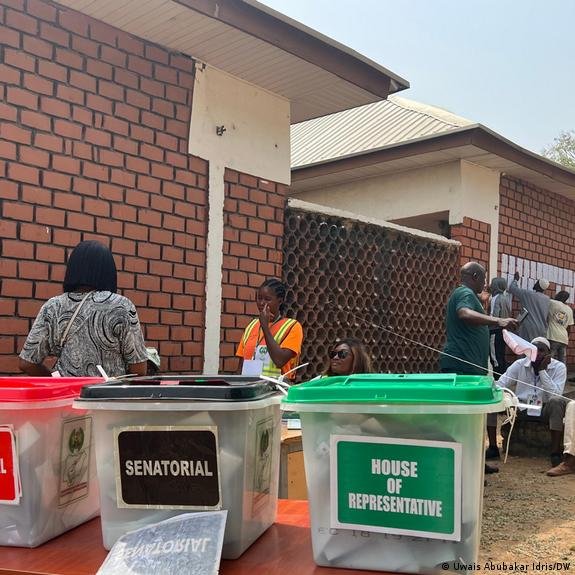
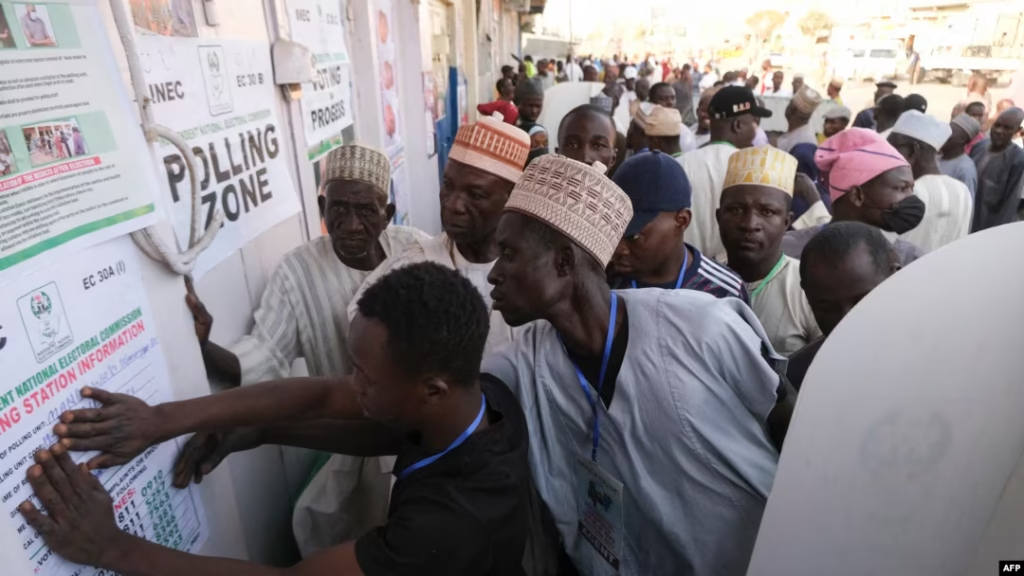
It was a bright morning, and the atmosphere brimmed with democratic zeal as scores of citizens arrived early to exercise their franchise. Long queues formed, and the Independent National Electoral Commission (INEC) officials, armed with Bimodal Voter Accreditation System (BVAS) machines, prepared for accreditation. But as citizens completed the initial identification process and approached the pasted voters’ register for name checks, an unsettling pattern emerged.
Shock and Disappointment as Names Disappear
The core of the problem was simple yet profound: several names were missing from the displayed list. Those affected, identified by specific alphabetical sections of the register, were left baffled and unable to proceed to vote. Observers at the polling unit found that names beginning with the letters C, E, H, and I were absent from the list. Prospective voters who carried valid Permanent Voter Cards (PVCs) but could not find their names voiced their surprise.
One aggrieved voter, Chidi Uchechi, spoke with visible disappointment. He said he checked the list carefully but could not locate his name under the expected section. “I came early and stood in line patiently,” he explained, “but looking at the register, there was nothing for names starting with C.” His confusion echoed the sentiments of others who had travelled from nearby communities to fulfil their civic right.
Another voter, who chose to remain anonymous, reacted sharply to what he saw as a glaring oversight by electoral officials. He suggested that deliberate actions might be at play, expressing skepticism about the integrity of the process. “Why would certain names be omitted otherwise?” he asked, adding that the incident raised suspicions of possible manipulation in the election exercise.
Rising Tension and Poor Coordination
The missing names were not the only challenge witnessed at the polling unit. Reports from party agents and voters alike pointed to disorganisation in managing the voting process. The crowding and confusion flared into heated exchanges among party representatives and INEC adhoc staff, with frustration clearly visible in body language and raised voices. Some of these exchanges were described as tense confrontations over how the process was being administered.
The lack of clear communication and visible order in dealing with the menace amplified frustrations on the ground. Voters, already inconvenienced by the register issue, found themselves having to seek answers that were not forthcoming. For many, the experience on that morning did not match their expectations of a well-orchestrated and transparent election.
While the situation at this particular polling unit drew attention, similar episodes have been recounted in past elections across Abuja and other parts of Nigeria. In previous cycles, voters in some communities were unable to find their names on lists despite possessing valid PVCs. Others reported having to search multiple polling units before spotting their names, creating long, exhausting days of effort for many citizens.
Expectations Versus Reality
In Nigeria, the sight of election day crowds is usually filled with a blend of hope and impatience. The INEC personnel and technology like BVAS are meant to streamline accreditation and ensure accurate checking against the voters’ register. However, when registration lists are incomplete or poorly displayed, that confidence can quickly evaporate. The frustration expressed at Durumi II on this Saturday was a stark reminder of almost perennial issues that have dogged the electoral process in the country.
Complaints about late or erratic arrival of electoral materials, unhelpful coordination, and technical snags with BVAS machines have been documented before. In some instances in the past, voters were stranded and unable to cast ballots because BVAS machines malfunctioned or because officials arrived late to commence proceedings. Others have had to endure administrative slowdowns that last for hours before voting could start.
The reported absence of entire segments of the alphabet on the register in this case was particularly alarming because it suggested a structural omission: that entire groups of voters were disenfranchised before they ever reached the BVAS stage of the process. The impact was immediate and real, with many affected citizens unable to exercise their right to vote after making the effort to show up.
Looking Ahead with Caution
The incident at Durumi II Polling Unit has stirred a wider conversation about electoral preparedness and the responsibility of election bodies to ensure that democratic exercises are inclusive and dependable. Critics argue that the maintenance of up-to-date and accurate voters’ registers, especially in the lead-up to elections, is a core requirement that cannot be sidelined without undermining public confidence.
INEC is expected to investigate complaints and clarify the situation for those affected. Transparent communication about why the omission occurred, whether it was a printing or administrative error, could go a long way in reassuring voters and party agents alike that democratic principles were upheld.
Moreover, party agents and civil society organisations will likely amplify calls for improved logistical planning and advance checks on materials before polling day. The experiences of voters on Saturday highlight the importance of robust pre-election arrangements — from registration roll preparation to the training of adhoc electoral officers — to prevent avoidable disruptions.
For now, the voices of disappointed voters at Durumi II serve as a reminder that democracy is only as strong as the processes that underpin it. When citizens show up in good faith to cast their ballots and are met with omission and confusion, it undermines not only that moment but also faith in future exercises. Moving forward, stakeholders must ensure that every name on the register is accounted for, accurately displayed, and supported by a smooth voting experience.
In the coming days, further details may emerge as the Independent National Electoral Commission responds to these concerns. For the voters at Durumi II and others who encountered similar problems, this election will be remembered not for its promise of choice but for the frustration of seeing that promise deferred.
Join Our Social Media Channels:
WhatsApp: NaijaEyes
Facebook: NaijaEyes
Twitter: NaijaEyes
Instagram: NaijaEyes
TikTok: NaijaEyes
READ THE LATEST NEWS ON POLITICS