In a bold strategic push to reshape the future of mobility, Uber Technologies launches Uber Autonomous Solutions worldwide press release today unveiled Uber Autonomous Solutions, a full-spectrum suite of services designed to turbocharge the commercial adoption of autonomous mobility and delivery services globally. This development marks a critical moment in the evolution of transport and logistics, as Uber leverages its scale, data resources, and platform expertise to support partners building the next generation of driverless technologies.
Uber’s global chief executive officer, Dara Khosrowshahi, spoke about the company’s journey and future vision, noting that autonomous technology holds enormous promise to improve safety and accessibility in transport. The company has already spent more than a decade refining the systems that connect riders with drivers around the world. With this new initiative, the company is effectively sharing its hard-won capabilities with developers and operators of autonomous vehicles. As the programme launches, Uber hopes to lower barriers to commercial success while helping partners deliver reliable, user-friendly autonomous services across markets.
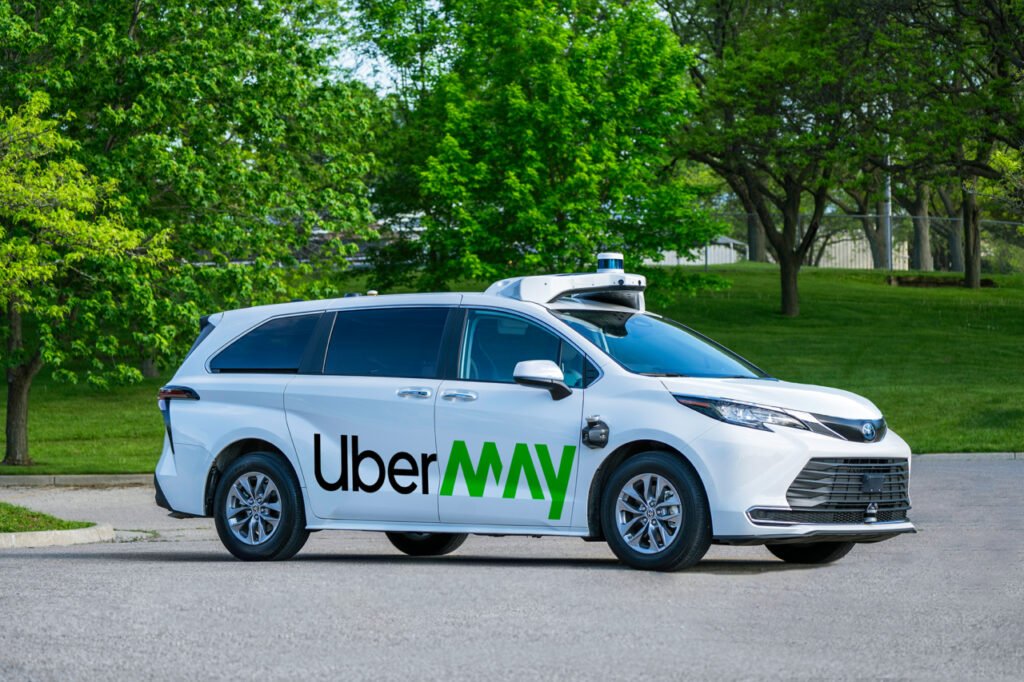
Infrastructure Backbone for Autonomy
Uber Autonomous Solutions has been structured around three main pillars. The first is infrastructure, an area the company says is foundational to getting autonomous vehicles onto public roads at scale. Partners will have access to Uber’s rich geospatial data, extensive mapping tools, and regulatory expertise. The company’s data-collection fleet, which includes thousands of sensor-equipped vehicles, has gathered millions of miles of driving information in diverse environments in both the United States and Europe. This dataset helps autonomous teams improve machine learning models and accelerate progress toward Level 4 autonomy, where vehicles can operate without constant human supervision.
Beyond sensor data, Uber’s mapping capability draws on tens of billions of trips recorded through its app. This real-world information can help autonomous systems better anticipate routing challenges, pick-up and drop-off performance, and how sudden events like road closures or weather changes might affect fleet performance. Operators can also benefit from Uber’s long history of handling complex pick-up sites such as stadiums, airports and event venues by leveraging its data to optimise these areas for autonomous vehicle use.
Regulatory frameworks remain one of the greatest obstacles to autonomous fleet expansion in many regions. The company’s established policy and regulatory teams will support partners in navigating local requirements, helping get AVs onto roads in new cities and countries faster. On top of this, flexible financing models are being offered to help partners expand fleet size and form factors more efficiently than they might on their own.
User Experience Set for the Real World
Autonomous vehicles promise a future where users simply request transport and are whisked to their destination without a driver. Uber is turning this promise into reality by bringing its decade of ride-hailing experience to the autonomous user journey. The company has developed an intuitive in-car interface designed specifically for autonomous rides. This interface will give riders control over basic settings like audio and temperature, while also providing live rider assistance. The first vehicles to adopt this interface will be part of a fleet known as the Nuro-Lucid-Uber robotaxi, expected to debut later this year.
To match the dynamic needs of real-world consumers, the company is helping partners build a broader suite of autonomous products. Drawing on lessons from services such as UberX Share and Uber Reserve, Uber will support new autonomous offerings that meet evolving rider expectations for reliability and flexibility. Today, autonomous vehicles are already being requested through the Uber app in select markets such as Phoenix, and innovation continues with new shared AV services slated to launch in cities like Los Angeles.
A complete support system is being woven into the autonomous journey as well. Uber’s customer support infrastructure, which already handles millions of global trips every month, will enable users to reach real-time help at any stage of an autonomous trip. This continuity is intended to build confidence among riders who are trying driverless services for the first time.

Keeping Autonomous Fleets Operating Smoothly
Running an autonomous vehicle fleet presents unique logistics challenges. Uber Autonomous Solutions aims to ease fleet operations by offering a series of specialised tools and services. Central among them is a fleet monitoring platform called AV Mission Control. This system provides operators with real-time insights into fleet status and performance. Telemetry and signals from each vehicle are monitored continuously and then translated into actionable insights, giving operators advanced visibility into all aspects of autonomous fleet activity.
In situations where autonomous systems encounter difficulties, The conpany’s remote assistance technology provides real-time support for riders and the autonomous driving system itself. This ensures that passengers are never left stranded, with live communications keeping everyone informed and connected. On-the-ground field support teams are also in place in multiple markets to handle practical challenges such as manual customer assistance, towing, cleaning or dispatching alternative rides if needed.
Autonomous fleet insurance has been another sticking point for operators around the world. Uber’s newly designed AV insurance programme offers bespoke coverage for vehicles at every stage of use, whether on-trip, off-trip or charging in depots. The policy is comprehensive enough to cover manufacturers, fleet managers and service providers, backed by major insurers in the industry.
Industry Response and Partner Support
Industry partners are already lining up behind the Uber Autonomous Solutions strategy. Companies such as Avride, Nuro, Wayve and WeRide have publicly endorsed the initiative, highlighting how access to Uber’s extensive network and data can help their technologies scale more quickly. Avride’s leadership emphasises that Uber’s marketplace data supports smarter deployment decisions and optimised operational design. Nuro’s team pointed to the value of Uber’s rider-centric interface in building user trust, a critical factor in mass adoption. Wayve cited diverse datasets as a key accelerator for its autonomous learning systems. WeRide highlighted how the collaboration allows fully driverless robotaxis to operate in cities such as Abu Dhabi, Dubai and Riyadh, with Uber’s support, enhancing demand generation and customer service.
Uber’s broader approach illustrates its evolving role in autonomous transport. Instead of building self-driving vehicles in-house, the company is positioning itself as a central platform that enables other innovators to bring their technologies to market. This collaborative model reflects a shift in strategy that aligns Uber with a growing ecosystem of autonomous vehicle developers and partners around the world.
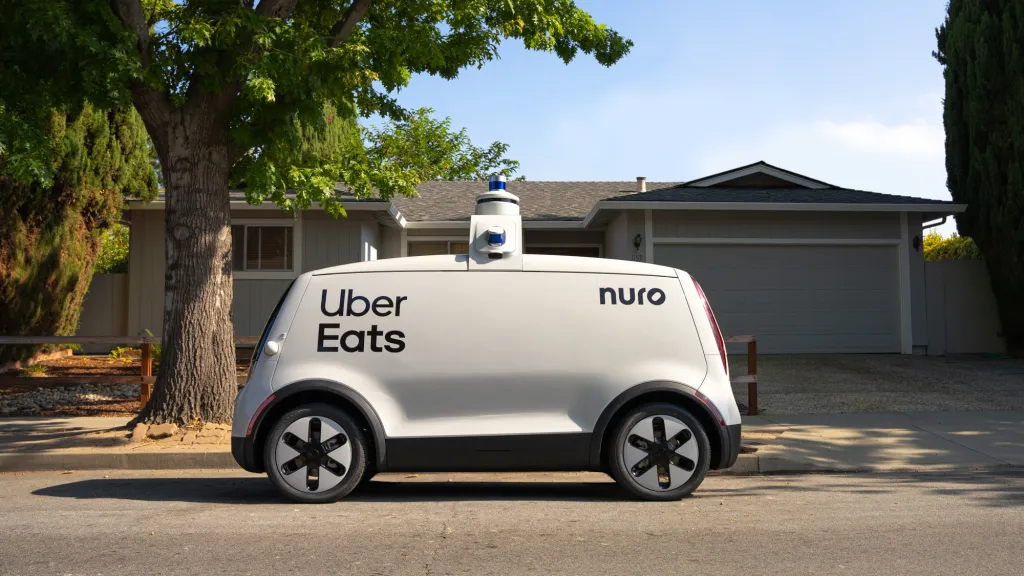
Future of Mobility in the Autonomous Age
Uber’s announcement signals a defining moment in the journey toward widespread autonomous mobility. While autonomous technology has been evolving for years, commercialisation has proven complex and capital-intensive. By opening up its wealth of data, regulatory know-how and operational expertise, Uber is helping to bridge the gap between technical breakthroughs and real-world services that millions of people can rely on every day.
As autonomous vehicles become more integrated into daily life, they are expected to reduce traffic accidents, lower transport costs and make moving goods and people easier than ever. For riders, the ability to book a self-driving car through the Uber app is no longer science fiction but an emerging reality. With Uber Autonomous Solutions, the company is staking its claim at the centre of this global shift, supporting partners and leading the way toward a more connected, efficient and intelligent future for transport.
In Nigeria and beyond, observers will be watching closely to see how this new offering affects local transport ecosystems and how soon autonomous services might arrive in African cities as part of this global vision. As autonomous technology continues to gain momentum, the world edges closer to an era where driverless rides and deliveries are commonplace rather than novel.
Join Our Social Media Channels:
WhatsApp: NaijaEyes
Facebook: NaijaEyes
Twitter: NaijaEyes
Instagram: NaijaEyes
TikTok: NaijaEyes