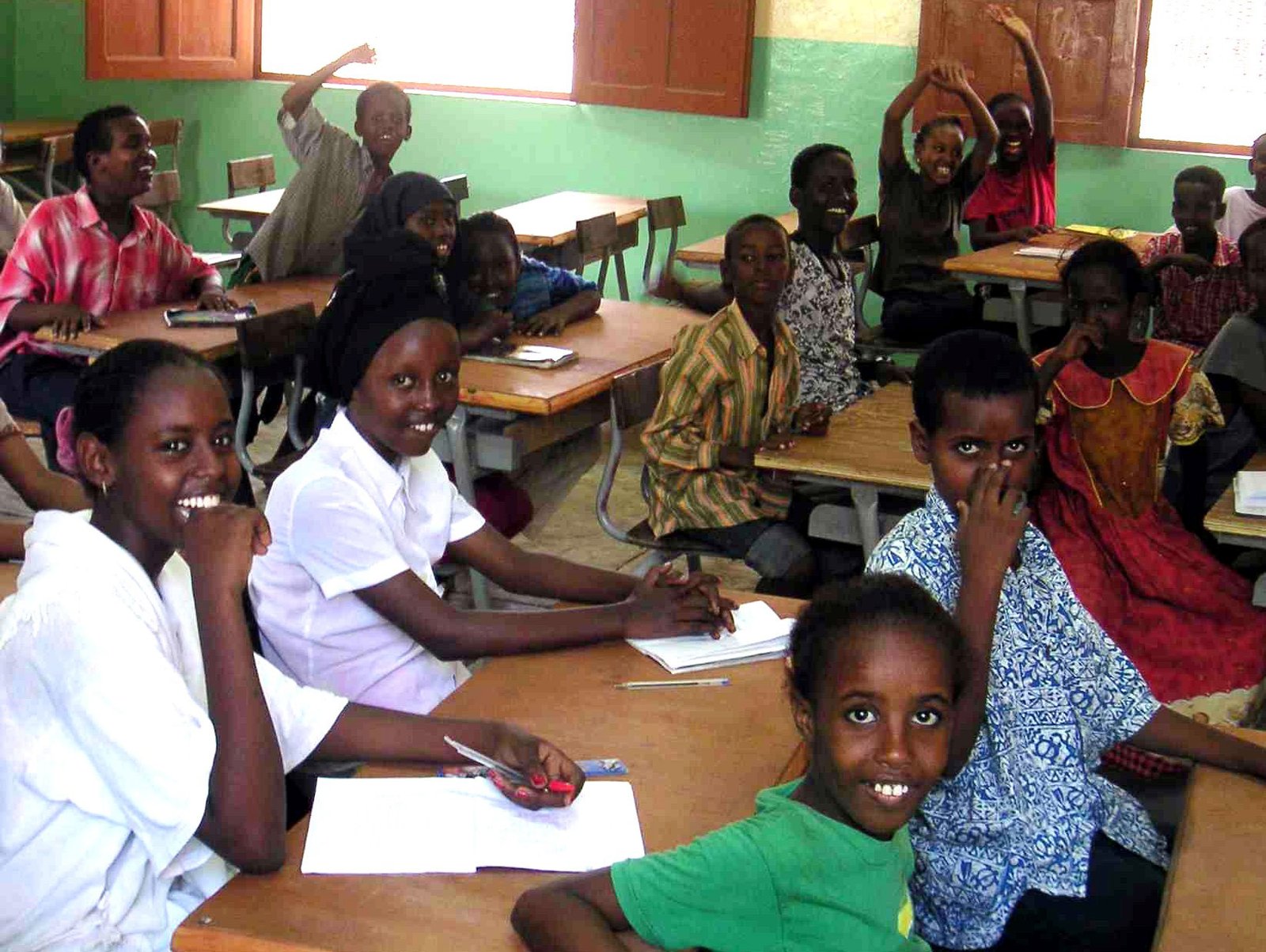

Djibouti has taken a major step in reshaping what students learn in schools by announcing plans to integrate African history into the core national education curriculum. This move, unveiled following a high-level workshop organised with the support of the United Nations Educational, Scientific and Cultural Organization (UNESCO), marks one of the most progressive shifts in the Horn of Africa country’s educational direction in recent years. The initiative aims to deepen young learners’ understanding of their continent’s rich past, strengthen identity and pride, and build a generation better equipped to appreciate Africa’s role on the global stage.
Officials in the Ministry of Education and Vocational Training, led by the Honourable Mustafe Mohamed Mahmoud, gathered with UNESCO representatives and education stakeholders to outline how African history will be introduced into classrooms across Djibouti. The discussion was described as robust yet forward-looking, centring on the kinds of educational reforms that could transform how students perceive themselves and their continent. The commitment reflects both a local desire to nurture informed citizens and a broader continental trend towards reclaiming African narratives in formal schooling.
This announcement is not just a policy shift. It represents a cultural and educational milestone for Djibouti. It aligns with long-term continental goals articulated by bodies such as the African Union (AU), which has consistently emphasised the importance of teaching Africa’s history as part of the drive towards Agenda 2063, Africa’s blueprint for inclusive development and integration. Integrating African history into national curricula has been linked to enhancing cultural identity, promoting unity, and supporting deeper regional cooperation.
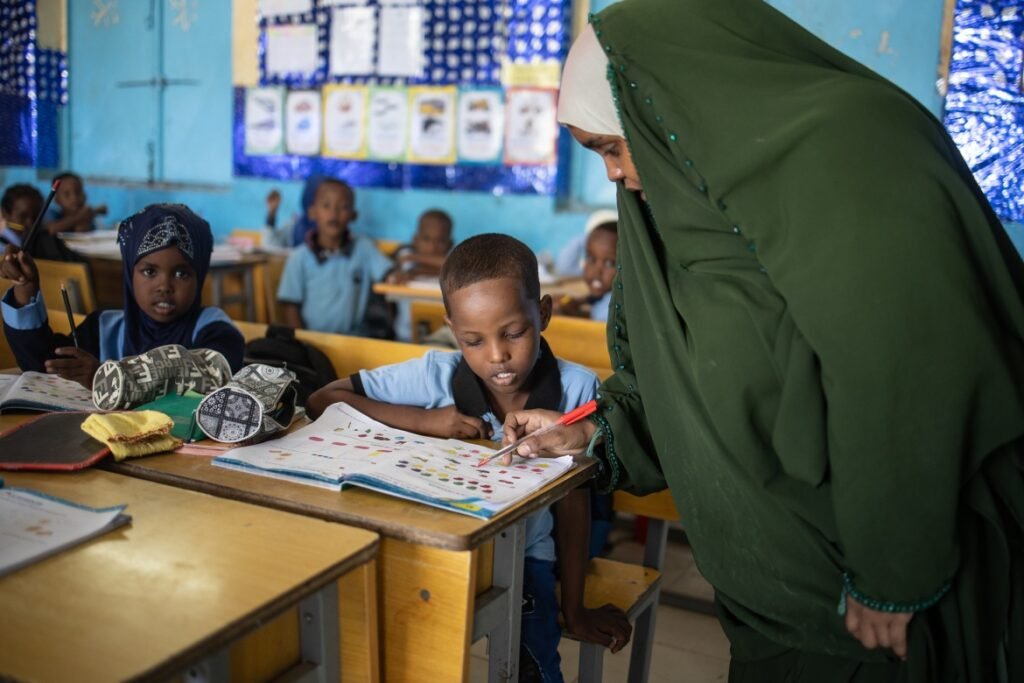
Driving Forces Behind the Curriculum Reform in Djibouti
Education experts and senior policymakers have emphasised that the new curriculum will do more than add historical facts to textbooks. It is designed to reshape how students understand themselves as Africans and global citizens. Minister Mustafe Mohamed Mahmoud addressed this point directly during the workshop, highlighting that the reform seeks to enhance historical literacy while giving young people a stronger sense of belonging and confidence.
He argued that knowing Africa’s history is central to appreciating the continent’s contributions to civilisation and understanding how past events shape current realities. For decades, many educational systems across Africa were influenced by curricula that highlighted colonial perspectives or placed limited emphasis on indigenous achievements. Shifting this focus can empower students to explore history from an African viewpoint that is rooted in local context, culture, and experience.
UNESCO’s representative in Djibouti also weighed in, noting that incorporating African history fits within global education goals, particularly the 2030 Sustainable Development Agenda. This framework encourages inclusive and equitable quality education for all, with a strong emphasis on cultural relevance. Integrating African history, according to UNESCO, underscores the importance of education that respects and reflects local heritage while meeting international standards.
The workshop made clear that achieving this vision will require cooperation between national policymakers, curriculum designers, educators, and international partners. Rewriting textbooks, retraining teachers, and designing new teaching resources are part of the inevitable work ahead. Participants agreed that cross-sector collaboration will be crucial to ensure the successful implementation of the reforms.
Advocates also stressed that the project is not about ignoring world history or global contexts. Rather, it is about balancing perspectives so that students appreciate Africa’s contributions alongside a broader global narrative. This holistic approach aims to build critical thinking skills in learners and help them understand their heritage in relation to the wider world.
Teaching Africa’s Story for Future Generations
One of the most compelling arguments in favour of integrating African history into school programmes is its potential to shape future generations’ understanding of identity, culture, and purpose. Students exposed to a curriculum that celebrates the continent’s achievements, struggles, and diversity are more likely to feel connected to their roots and motivated to contribute to national and continental development.
African history is rich with stories of ancient kingdoms, scientific innovation, philosophical thought, economic exchange and cultural diversity. Too often, these elements have been overshadowed in education by narratives that emphasise external influences or neglect indigenous accomplishments. A curriculum that corrects this imbalance can help foster a sense of pride among learners.
Experts believe that learning African history from an early age will also help students appreciate the diversity within Africa. From the Nile Valley civilisations and the empires of West Africa to the unique cultures of the Horn of Africa, every region has stories that shape the continent’s collective identity. Integrating these stories into classrooms invites young people to recognise similarities and differences, deepening their understanding of unity and diversity at the same time.
There is also a practical dimension. Countries that invest in culturally relevant education are more likely to strengthen social cohesion and reduce cultural misunderstandings. When learners feel that their history is valued and represented in education, they are more engaged, confident, and motivated. Policymakers believe this reform will improve classroom engagement and learning outcomes over time.
The initiative in Djibouti reflects a growing consciousness across Africa that educational systems need to evolve to serve the needs of young people in a rapidly changing world. Across the continent, from West Africa to East Africa and the Horn of Africa, educators and leaders are looking for ways to balance global knowledge with indigenous perspectives. This aligns with broader educational movements such as Afrocentric education, which emphasises teaching that centres African culture, history, and perspectives.
Challenges and the Path Ahead in Djibouti
While the announcement has drawn praise from educators, academics, and cultural advocates, integrating African history into the national curriculum will not be without challenges. One key concern is ensuring that teachers are well prepared to deliver the new content effectively. Many educators currently rely on textbooks and materials designed with limited African historical content. Creating new teaching resources that reflect an authentic African perspective will require expertise, time and investment.
Retraining teachers and equipping schools with relevant materials are essential steps. Educators must be supported to understand the new framework and adopt interactive teaching methods that bring history to life for students. This may involve workshops, teacher training programmes, and partnerships with universities and cultural institutions.
Another challenge lies in balancing the curriculum so that it remains comprehensive and aligned with international education standards. Integrating local content without excluding valuable world history requires careful planning and thoughtful instruction design. The curriculum reform committee must ensure that learners receive a balanced education that prepares them for higher education and global opportunities, while reinforcing knowledge of Africa’s historical and cultural heritage.
Funding is also an important consideration. Curriculum redesign is a national investment, and securing adequate resources will be vital. The Djiboutian government will need to work with partners such as UNESCO and African institutions to mobilise the necessary support. Continued dialogue between ministries, educators, and international agencies will be needed to maintain momentum and ensure sustainable implementation.
Despite the challenges, the momentum behind the initiative reflects a broader continental shift towards educational sovereignty. African leaders and scholars increasingly advocate for education that reflects indigenous histories and values, a sentiment echoed in continental frameworks such as Agenda 2063. Teaching African history in schools is not only about the past; it is about preparing learners for the future.
Across classrooms, from primary schools to secondary institutions, learners will soon begin to see history in a new light. Rather than viewing it solely through the lens of European colonisation or external powers, students will encounter a narrative that celebrates Africa’s contributions to science, culture, politics, and society.
The reform is expected to roll out in phases. Curriculum experts and educators will continue refining content, and pilot programmes may begin in select schools before nationwide adoption. This phased approach will allow authorities to gather feedback, adjust teaching strategies, and ensure that the curriculum meets the needs of learners across diverse contexts within Djibouti.
There is also potential for regional collaboration. As other African countries consider similar reforms, there may be opportunities for sharing resources, research, and best practices. Djibouti’s initiative could serve as a model for neighbouring nations interested in strengthening their own education systems through culturally relevant content.
In the years ahead, as African history becomes a core part of what students learn in school, there is hope that young people will graduate with a deeper appreciation of their continent’s past and a stronger belief in its potential. This new generation of learners will be better equipped to contribute to national development, regional integration, and global conversations about Africa’s role in the world.
Join Our Social Media Channels:
WhatsApp: NaijaEyes
Facebook: NaijaEyes
Twitter: NaijaEyes
Instagram: NaijaEyes
TikTok: NaijaEyes