
Negotiations between the European Union and Nigeria have begun in earnest over a new science and technology cooperation agreement designed to transform how both parties work together on research, innovation, and development. The formal discussions, initiated this week in Abuja, signal a fresh chapter in strategic relations between the EU and Africa’s largest economy that places scientific collaboration and technological progress at the centre of future partnership.
At the heart of these discussions is the aim to build a robust and long-term framework that expands opportunities for joint research, enhances Nigeria’s participation in global science initiatives, and accelerates innovation across sectors such as health, climate, digital technology, and agriculture. The negotiations reflect commitments already agreed in high-level bilateral talks held during the 2023 EU-Nigeria Strategic Dialogue and reaffirmed at the 2024 EU-Nigeria Summit.
Nigeria’s innovation ecosystem has grown steadily in recent years, and this new framework is expected to elevate that progress by creating clearer pathways for cooperation with European research networks and institutions. Policymakers from both sides are working with urgency to conclude the talks by late 2026 or early 2027, with a strong focus on translating commitments into measurable outcomes.
A Framework for Future Collaboration
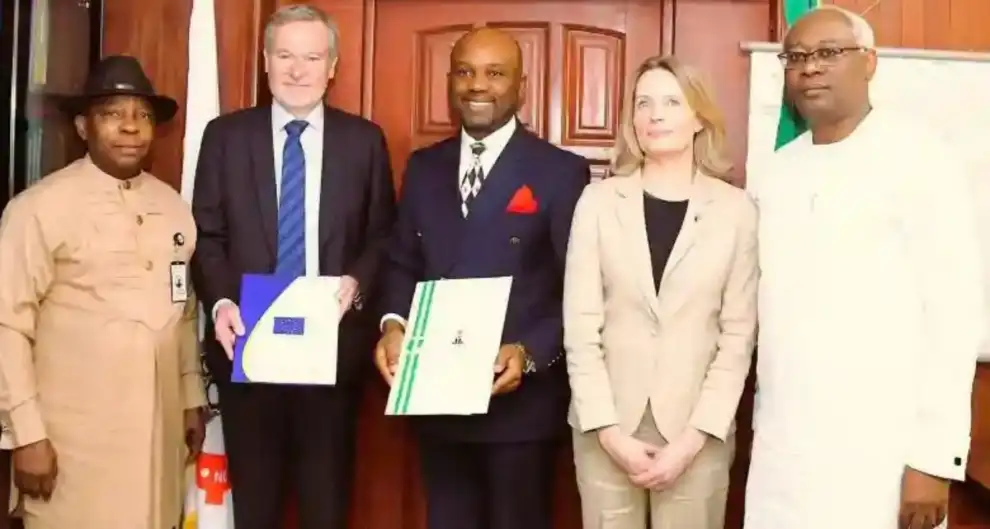
The proposed cooperation agreement is more than a diplomatic formality. It is an effort to shift the relationship between Nigeria and the EU from ad-hoc and project-specific interactions to a comprehensive, enduring partnership that can adapt to evolving scientific priorities. According to negotiators, the agreement will set the principles and mechanisms that guide joint research, academic exchange, and technology development activities between the two parties.
One key aspect of this proposed framework is flexibility. Officials on both sides are placing emphasis on a model that allows for evolving priorities while providing predictability and legal certainty for researchers, universities, and innovators. This reflects a broader trend across Nigeria’s policy landscape that seeks to harness science and innovation for sustainable growth and economic transformation.
Beyond structuring cooperation, the framework will lay out clear pathways for joint workshops, research exchanges, and multi-institution projects that combine Nigerian expertise with European resources. It also aims to open doors to indirect forms of engagement, such as participation in each other’s science programmes, which could significantly expand opportunities for academics and industry researchers alike.
The Role of Key Programmes and Partnerships
Nigeria’s involvement in the EU’s flagship research initiative, known as Horizon Europe, illustrates the depth of existing collaboration and the potential for future growth. Under the Horizon Europe framework, Nigerian organisations have already participated in dozens of projects, receiving millions in funding for activities in health, agriculture, environment, and other strategic areas.
Complementary efforts, such as the European and Developing Countries Clinical Trials Partnership 3 (EDCTP3) have further strengthened ties by enabling Nigerian institutions to engage in global health research networks. The science and innovation agreement under negotiation is expected to significantly enlarge Nigeria’s footprint in such initiatives, increasing access to funding, global research collaborations, and knowledge exchange.
These programmes are already opening up tangible benefits for Nigerian universities, start-ups, and research centres. Experts say expanded participation could help accelerate technology transfer, commercialise research outputs, and attract private investment into Nigeria’s innovation landscape. That would benefit not just academic institutions but also Nigeria’s growing tech sector and small-medium enterprise ecosystem.
What It Means for Nigeria and the EU
For Nigeria, the talks represent a strategic opportunity to deepen scientific engagement and enhance local research capacity. Ministerial leaders have described the negotiations as a turning point for the nation’s research ecosystem, noting that innovation has become central to the national development agenda under current economic reform plans. The agreement is expected to support Nigeria’s efforts to diversify its economy and build resilience against global challenges.
For the EU, the negotiations offer a chance to strengthen ties with one of Africa’s most dynamic innovation markets. Nigeria’s youthful population, expanding university system, and rapidly growing tech economy make it an attractive partner for long-term research cooperation. EU officials have framed the talks within the broader Global Gateway strategy, which aims to build sustainable, practical partnerships with countries around the world that deliver shared benefits.
Both sides also see the agreement as aligned with continental and multilateral goals. It supports the 10-year African Union-EU Innovation Agenda, which seeks to enhance science and innovation collaboration across Africa and Europe. By anchoring the talks in both bilateral priorities and wider frameworks, negotiators hope to create a cooperation model that is strategic, resilient, and mutually beneficial.
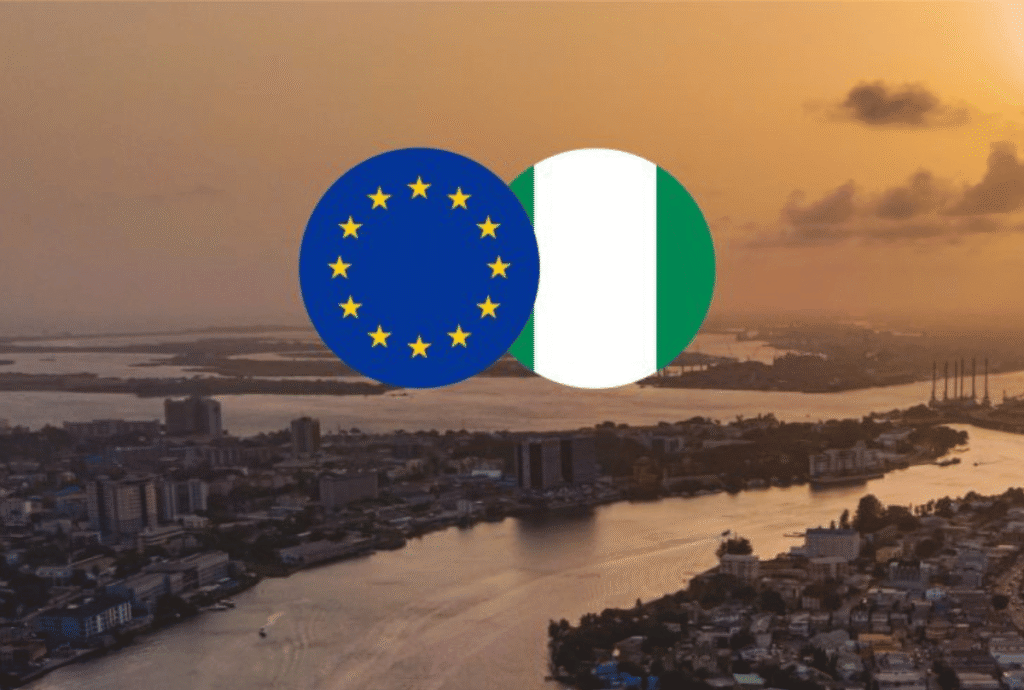
A New Era for Science and Innovation
As discussions progress, observers in Nigeria’s innovation sector and beyond are watching closely. Many see the negotiations as a catalyst for greater research funding, stronger institutional partnerships, and increased visibility for Nigerian scientists on the global stage. Participants at related events, such as the EU-Nigeria Science & Innovation Day in Lagos earlier this month, celebrated the depth of existing cooperation and the promise of what lies ahead.
While the final terms of the science and technology cooperation agreement are still being worked out, what has already emerged is a shared commitment to positioning science and innovation as central pillars of the EU–Nigeria partnership. The agreement, when concluded, could provide a blueprint for how countries with diverse strengths and aspirations can work together to tackle common challenges and seize new opportunities through research, knowledge exchange, and technological progress.
This moment marks not just a diplomatic milestone but the beginning of what both sides hope will be a long-lasting collaboration rooted in shared ambitions for prosperity, resilience, and inclusive development.
Join Our Social Media Channels:
WhatsApp: NaijaEyes
Facebook: NaijaEyes
Twitter: NaijaEyes
Instagram: NaijaEyes
TikTok: NaijaEyes