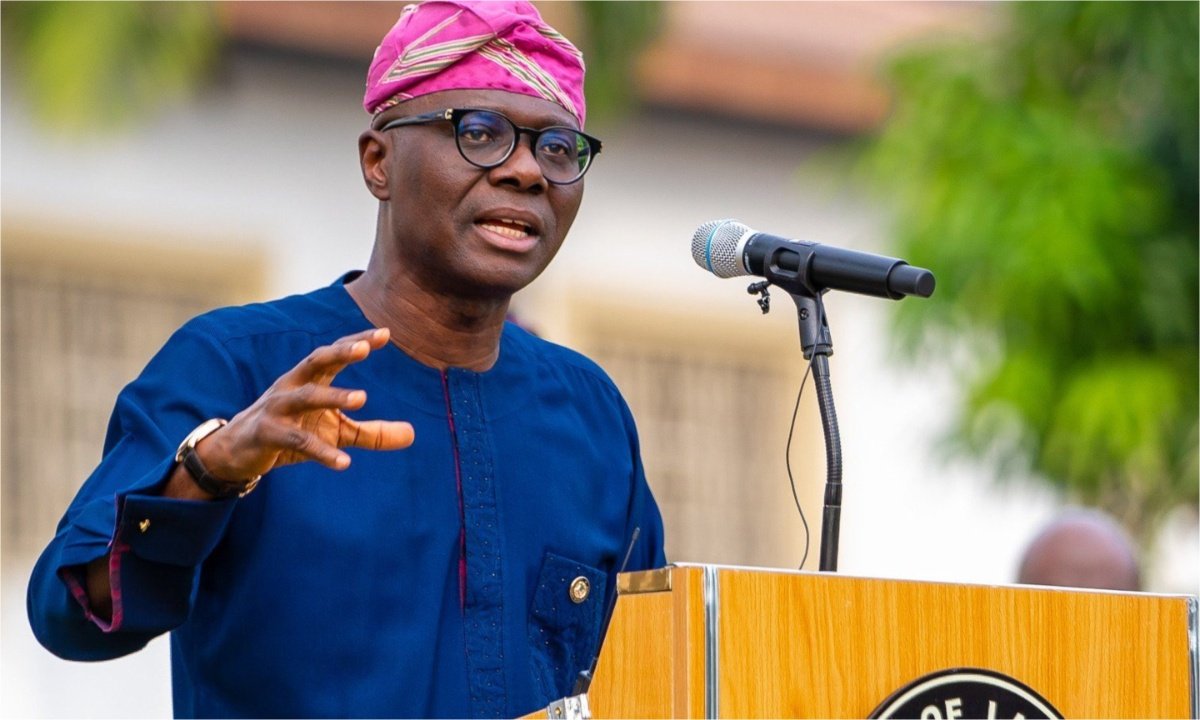

In a decisive move to confront the growing crisis of out-of-school children, Lagos State has launched a $25 million education intervention designed to return tens of thousands of children to classrooms while strengthening learning outcomes across public schools. The initiative, announced by Governor Babajide Sanwo-Olu, signals a renewed push to tackle one of Nigeria’s most persistent education challenges through a results-driven model that prioritises measurable impact over mere policy declarations.
Unveiled at Lagos House in Marina, the programme introduces a structured pathway to enrol up to 50,000 out-of-school children between the ages of six and 14 into formal education. Beyond access, the initiative is also set to improve literacy and numeracy for an additional 150,000 pupils already within the school system, reflecting a broader ambition to transform both entry and quality in basic education.
This development comes at a time when Nigeria continues to grapple with one of the highest numbers of out-of-school children globally, making Lagos’ intervention not just a state-level reform but a potential model for wider national adoption.

A Shift from Access to Measurable Learning Outcomes
What distinguishes the Lagos Education Access Fund is its focus on outcomes rather than inputs. Traditionally, education funding in Nigeria has prioritised infrastructure, teaching materials, and personnel. While these remain important, the new initiative introduces an outcomes-based financing model that ties funding directly to results such as enrolment, retention, and actual learning progress.
According to officials involved in the programme, the fund will support over 200,000 children across the state through a system that tracks performance and ensures accountability at every stage.
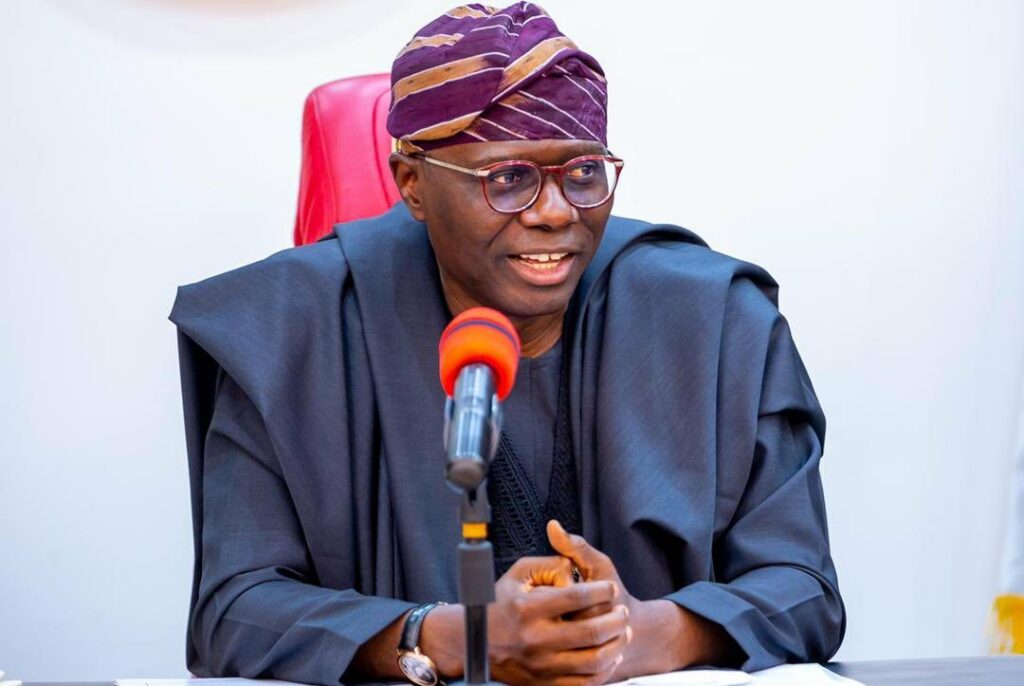
Speaking at the launch, Sanwo-Olu emphasised that simply getting children into classrooms is no longer enough. The real challenge, he noted, is ensuring that these children acquire foundational skills that will shape their future. The programme is therefore designed to ensure that every naira spent translates into tangible educational progress, not just statistics on paper.
This approach aligns with global education reform trends, where governments and development partners are increasingly demanding evidence of impact before releasing funds. By adopting this model, Lagos positions itself at the forefront of innovative education financing in Africa.
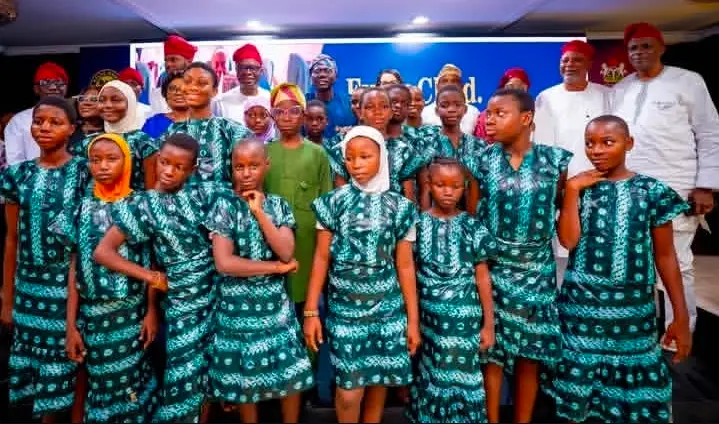
Building on Past Gains While Expanding Reach
The newly introduced fund does not operate in isolation. It builds on earlier interventions, particularly Project Zero, an initiative launched in 2021 to identify and reintegrate out-of-school children into the education system. Through that effort, more than 36,000 children have already been returned to classrooms across the state.
However, authorities acknowledge that the scale of the problem requires a more aggressive and structured response. The current programme expands both the reach and the methodology of previous efforts, incorporating data-driven tracking systems and community-based outreach strategies to identify children who are still outside the formal education system.
In addition to targeting children, the initiative also addresses the economic realities faced by families. Over 360 parents and guardians have already received vocational training in areas such as fashion design, catering, soap making, and hairdressing. The aim is to strengthen household income and reduce the financial pressures that often force children out of school.
This dual approach recognises a critical truth about education in Nigeria. The challenge is not only about access to schools but also about the socio-economic conditions that determine whether children can stay in school.
Policy Backing, Partnerships, and the Road Ahead
To reinforce the initiative, the Lagos State Government is also considering stricter enforcement measures to ensure school attendance. One such proposal includes an executive order that would discourage children from being on the streets during school hours without valid reasons.
While such measures may spark debate, they underline the administration’s commitment to addressing the issue with urgency and seriousness. The success of the programme, however, will depend not only on enforcement but also on sustained collaboration.
The fund is backed by a coalition of development partners, including the Education Outcomes Fund and the Children’s Investment Fund Foundation, alongside support from international and federal institutions. This multi-stakeholder approach ensures that the programme benefits from both financial resources and global expertise in education reform.
Education experts have long argued that solving the out-of-school crisis requires coordinated action across government, communities, and development organisations. Lagos appears to be embracing this reality by positioning the initiative as a shared responsibility rather than a government-only project.
Looking ahead, the real test will lie in implementation. Ensuring that children are not only enrolled but also retained and effectively taught will require consistent monitoring, transparent reporting, and community engagement.
Yet, there is cautious optimism. With a clear focus on measurable outcomes, strong institutional backing, and lessons drawn from past interventions, the Lagos Education Access Fund represents a bold step towards reshaping the future of education in Nigeria’s most populous state.
If successful, it could provide a replicable blueprint for other states seeking to close the education gap and secure better futures for millions of Nigerian children.
Join Our Social Media Channels:
WhatsApp: NaijaEyes
Facebook: NaijaEyes
Twitter: NaijaEyes
Instagram: NaijaEyes
TikTok: NaijaEyes