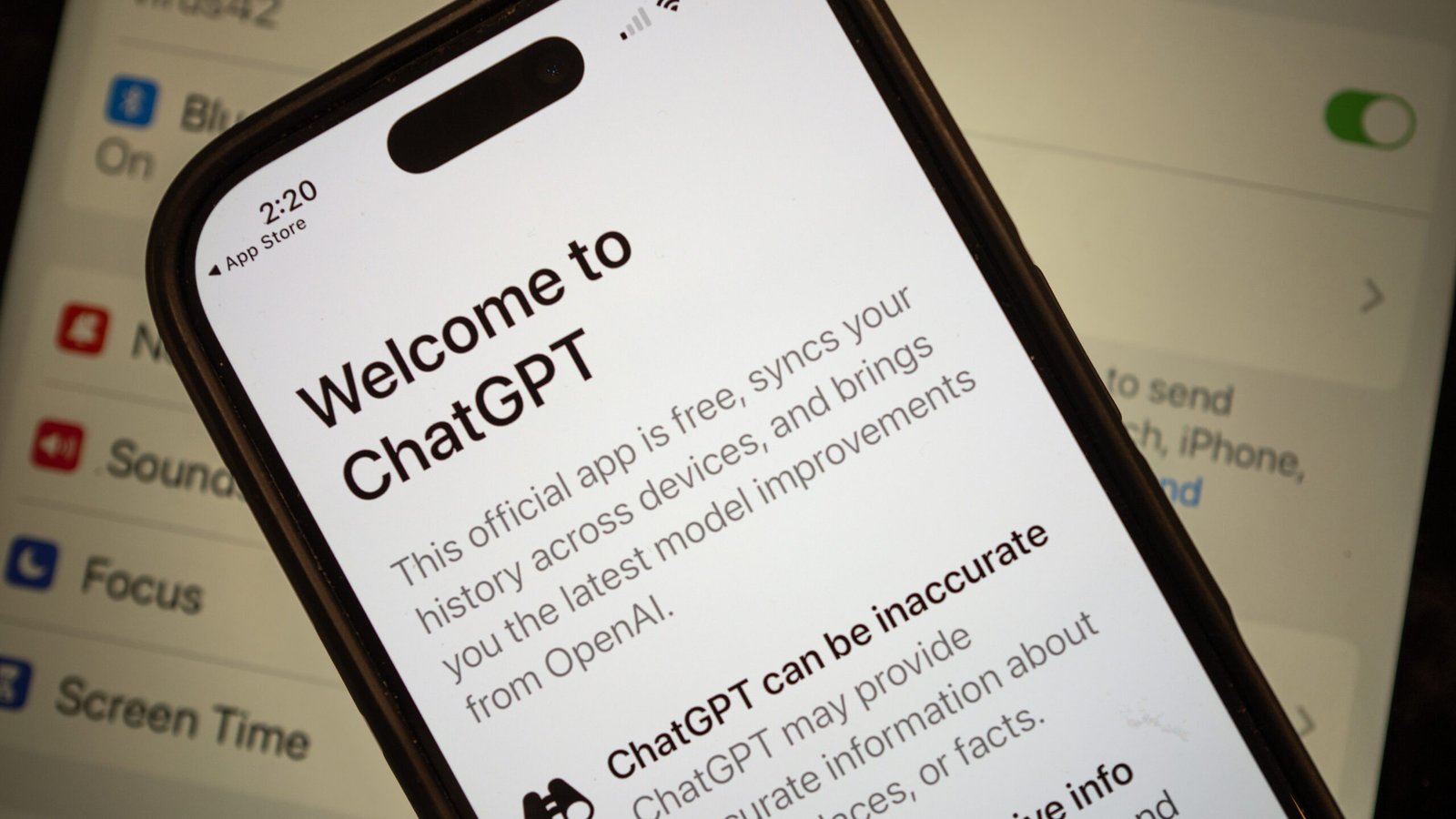

OpenAI is taking a decisive step to reshape how people interact with artificial intelligence on personal computers. The company is developing a new desktop “superapp” that will combine its widely used ChatGPT assistant, its powerful Codex coding system, and an AI-enabled web browser into a single unified platform, according to Reuters.
For years, users have moved between separate tools to chat, code, and browse with AI. This new approach aims to eliminate that friction. Instead of opening multiple apps or tabs, everything will sit in one environment designed to handle conversations, programming tasks, and web-based activities seamlessly.
This shift is not just about convenience. It reflects a deeper change in how AI companies are thinking about productivity. Rather than offering disconnected tools, OpenAI is building an integrated workspace that behaves more like a digital operating system for daily tasks. For users in Nigeria and across Africa, where efficiency and data costs matter, this could significantly simplify how AI is accessed and used.
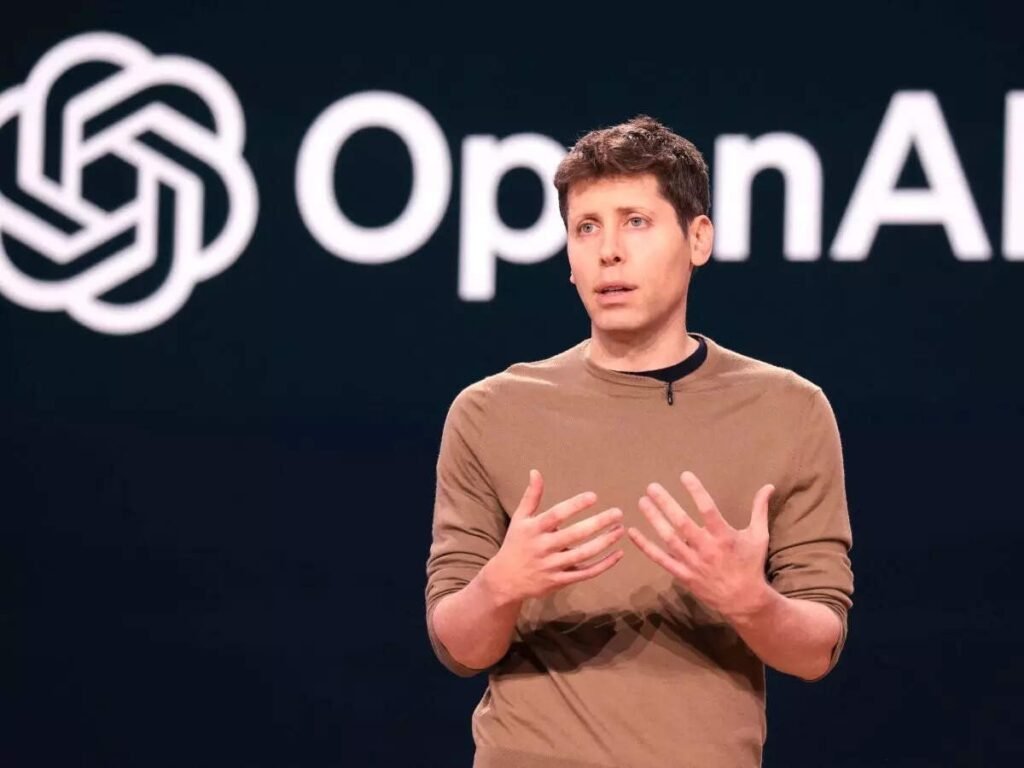
Why OpenAI Is Changing Direction Now
The move towards a unified desktop platform comes after internal concerns that launching too many separate products was slowing progress and affecting quality.
Over the past year, OpenAI introduced several innovations including standalone coding tools, experimental browsers, and advanced AI agents. While ambitious, this expansion created fragmentation. Teams were spread thin, and users often had to switch between tools to complete simple workflows.
Executives within the company have now acknowledged that this approach was not sustainable. The new superapp strategy is focused on consolidation. By bringing everything under one roof, OpenAI aims to improve performance, streamline development, and deliver a more polished experience.
There is also strong competitive pressure driving this decision. Rival AI firms are gaining traction, particularly in enterprise environments where businesses demand reliable and focused tools. OpenAI’s response is to double down on its strengths and build a product that is not just powerful but also cohesive.
For professionals, developers, and students, especially in emerging tech ecosystems like Nigeria, this could mean fewer distractions and more efficient workflows.
What the Superapp Will Actually Do
At its core, the superapp is designed to merge three major capabilities into one experience.
First is ChatGPT, which remains the conversational interface that many users are already familiar with. It will likely serve as the central hub where users give instructions, ask questions, and manage tasks.
Second is Codex, OpenAI’s advanced coding system. Codex has evolved into a tool capable of writing, reviewing, and debugging code, often handling complex tasks independently. It can work across environments like terminals, IDEs, and cloud systems, acting almost like a virtual teammate for developers.
Third is the AI-powered browser, sometimes referred to as Atlas. This browser integrates AI directly into web activity, allowing users to research, automate tasks, and interact with online content in a more intelligent way.
When combined, these tools create something far more powerful than their individual parts. Imagine asking an AI to research a topic, write code based on that research, test it, and present results, all without switching applications.
The superapp is also expected to emphasise what is known as “agentic AI”. This means systems that can carry out multi-step tasks on behalf of users with minimal supervision.
For example, instead of asking for help step by step, a user could assign a task like building a website or analysing business data, and the AI would handle the entire process from start to finish.
What This Means for Users and the Future of Work
The introduction of a desktop superapp signals a broader transformation in how people will work with technology. AI is moving from being a tool you consult to becoming an active collaborator that operates across your entire computer environment.
For Nigerian users, this could open up new opportunities in remote work, software development, digital entrepreneurship, and education. With one unified platform, even those with limited technical experience may find it easier to build apps, automate tasks, or manage complex projects.
Businesses could also benefit. Instead of investing in multiple software tools, organisations may rely on a single AI-driven platform to handle communication, coding, research, and workflow automation. This could reduce costs and improve productivity.
However, the shift also raises important questions. As AI becomes more integrated into everyday work, concerns around data privacy, job displacement, and digital dependence will become more pressing. Companies like OpenAI will need to balance innovation with responsibility.
Notably, the company has indicated that its mobile ChatGPT app will remain unchanged for now, suggesting that the desktop experience is where deeper integration and experimentation will happen first.
In many ways, this superapp represents the next phase of AI evolution. It is no longer just about smarter responses or faster code generation. It is about creating a unified digital environment where AI can think, act, and collaborate alongside humans in real time.
As development continues, the success of this initiative will depend on execution. If done well, it could redefine how people interact with computers, not just in Silicon Valley but in places like Abuja, Lagos, and beyond, where digital transformation is accelerating rapidly.
Join Our Social Media Channels:
WhatsApp: NaijaEyes
Facebook: NaijaEyes
Twitter: NaijaEyes
Instagram: NaijaEyes
TikTok: NaijaEyes