Global energy markets on edge as Trump issues 48-hour ultimatum to Iran
The world is currently holding its breath as a major geopolitical crisis unfolds in the Middle East, with direct implications for the global economy and Nigeria’s fiscal stability. President Donald Trump has issued a stern 48-hour ultimatum to the Iranian government, demanding the immediate reopening of the Strait of Hormuz.
This vital maritime artery, through which a significant portion of the world’s oil supply flows, was recently closed by Iranian authorities following a series of escalations. As a professional editor who has watched the “vibrations” of the global oil market for years, I find this particular deadline to be one of the most volatile moments in recent diplomatic history.
For Nigeria, a nation whose heartbeat is tied to the price of Brent crude, the stakes could not be higher. We are looking at a situation where a single misstep in the next two days could fundamentally alter the cost of living from Lagos to Maiduguri.
The strategic importance of the Strait of Hormuz to Nigeria’s oil revenue
To understand why this ultimatum is causing such “tension” in the boardrooms of NNPC and the Ministry of Finance, one must look at the geography of the crisis. The Strait of Hormuz is the world’s most important oil chokepoint.
While Nigeria’s crude does not physically pass through this strait, the global “sentiments” driven by its closure have an immediate and aggressive impact on oil benchmarks. A prolonged blockage would likely send crude prices into a vertical climb, potentially crossing the $100 per barrel mark in record time. While this might seem like a windfall for our foreign reserves on paper, the reality is more complex.
As an editor tracking the impact on the “common man,” I know that higher global crude prices often translate to increased pressure on our local petrol pricing and the subsidy regime, creating a double-edged sword for the Nigerian economy.
Analyzing the geopolitical stakes of the 48-hour deadline
President Trump’s 48-hour window is a classic example of “Maximum Pressure” diplomacy, designed to force a quick concession before the global supply chain sustains permanent damage.
The ultimatum suggests that if the strait is not reopened, the United States may resort to military “interventions” to ensure the freedom of navigation. From a professional editorial perspective, this rhetoric is aimed at reassurring global markets and preventing a total panic sell-off in the equities space.
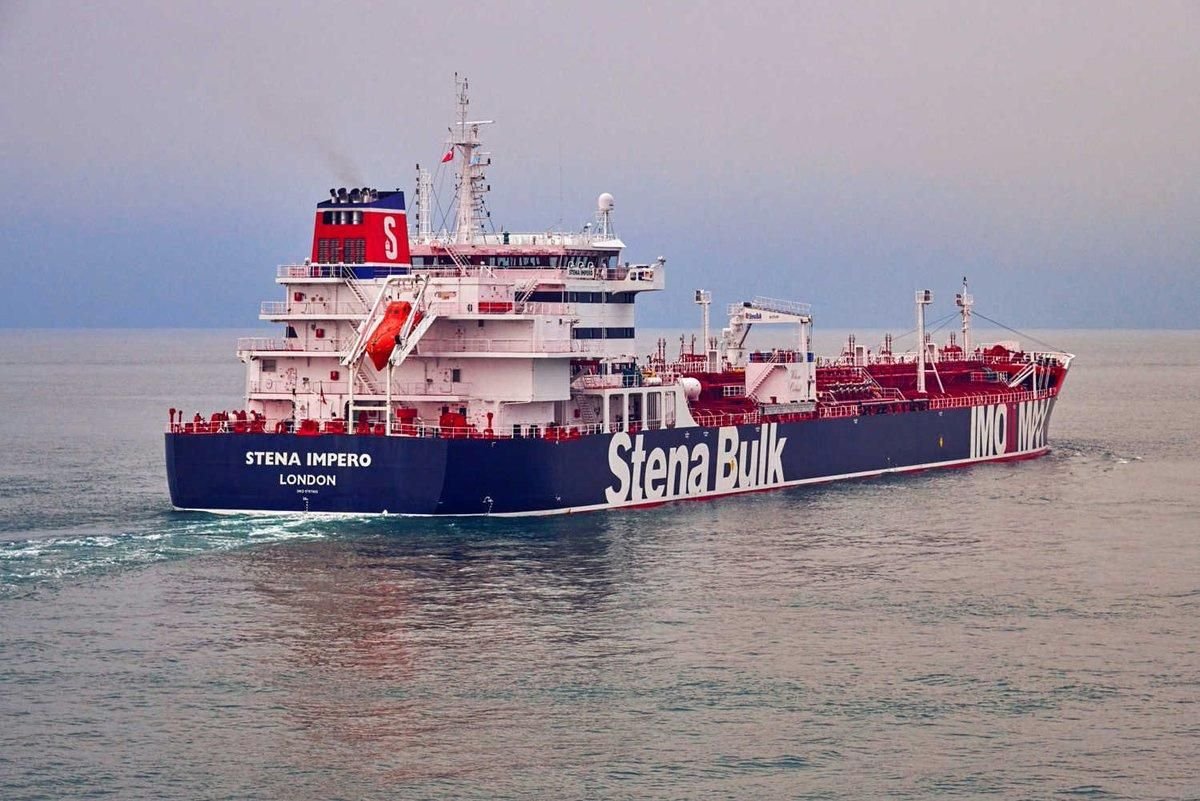
However, Iran’s response remains the great unknown. If the deadline passes without a resolution, we could see a level of maritime conflict that hasn’t been witnessed in decades. This uncertainty is already causing insurance premiums for oil tankers to “skyrocket,” which indirectly adds to the landing cost of refined products globally.
Preparing for the ripple effects on local fuel prices and inflation
As we countdown the final hours of this ultimatum, the Nigerian government and private sector must begin to prepare for the “shocks” that may follow.
If the crisis escalates, the primary concern for Nigerians will be the stability of fuel supply and the potential for “speculative” price hikes in the local market.
History has shown us that global energy crises often lead to a strengthening of the US Dollar, which puts additional pressure on the Naira. To navigate this, there must be a clear and transparent communication strategy from our fiscal authorities to prevent panic buying and to ensure that the “gains” from higher oil prices are effectively managed to cushion the blow on the average citizen.
The next 48 hours will not just define American-Iranian relations; they will define the economic roadmap for the second quarter of 2026.
Join Our Social Media Channels:
WhatsApp: NaijaEyes
Facebook: NaijaEyes
Twitter: NaijaEyes
Instagram: NaijaEyes
TikTok: NaijaEyes