Naira drops to N1,389 as Central Bank’s foreign reserves dip by $850 million
The Nigerian financial market is currently witnessing a significant shift as the naira experienced a dip, closing at N1,389 against the US dollar. This latest movement in the exchange rate has naturally raised eyebrows among business owners and everyday Nigerians who keep a close watch on the currency’s health. While we have seen periods of remarkable stability earlier in the year, the current data from the Central Bank of Nigeria (CBN) suggests that the road to total recovery remains a bit winding.
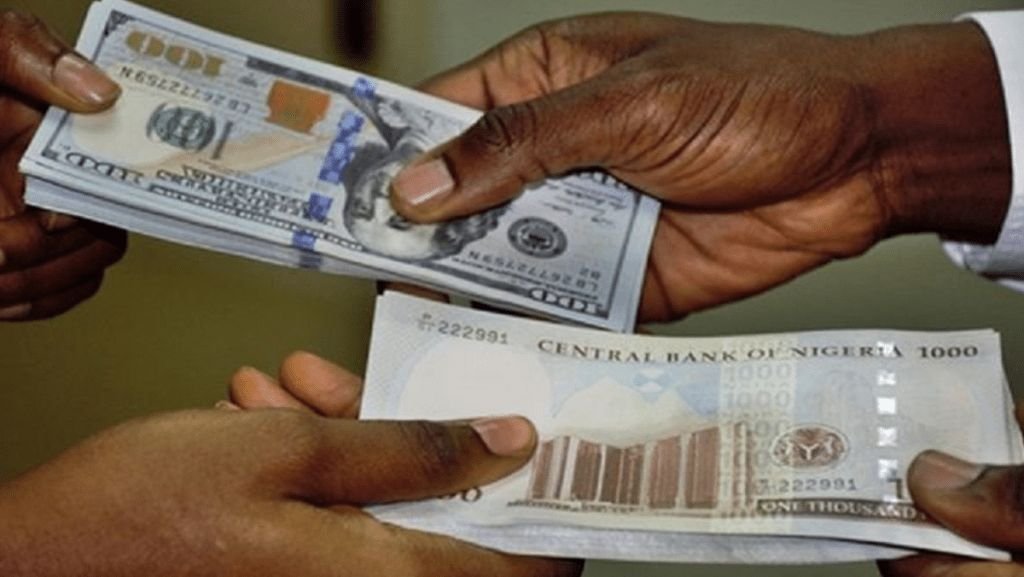
For a nation that relies heavily on imports for everything from raw materials to household goods, every slight movement in the exchange rate is felt at the dinner table and in the boardroom.
A quick look at the numbers behind the currency slide
The recent drop to N1,389/$ represents a notable decline from the N1,382.75/$ rate we saw just before the Easter break. During the most recent trading session, the currency showed some volatility, fluctuating between N1,381 and N1,390 at various points in the day.
This intra-day movement indicates that market participants are reacting to new economic realities and shifts in demand. While the volume of trades remains active, with over 70 deals recorded in the official market, the slight uptick in the exchange rate is a clear signal that the initial momentum of naira appreciation is facing some fresh hurdles.
The impact of declining foreign reserves on market confidence
Perhaps the most discussed aspect of this development is the decline in our external reserves. Within a span of just three weeks, Nigeria’s foreign reserves dropped by approximately $850 million, settling at $49.18 billion. Just a few months ago, the reserves were at a 13-year high, reaching over $50 billion and providing a solid cushion for the economy.
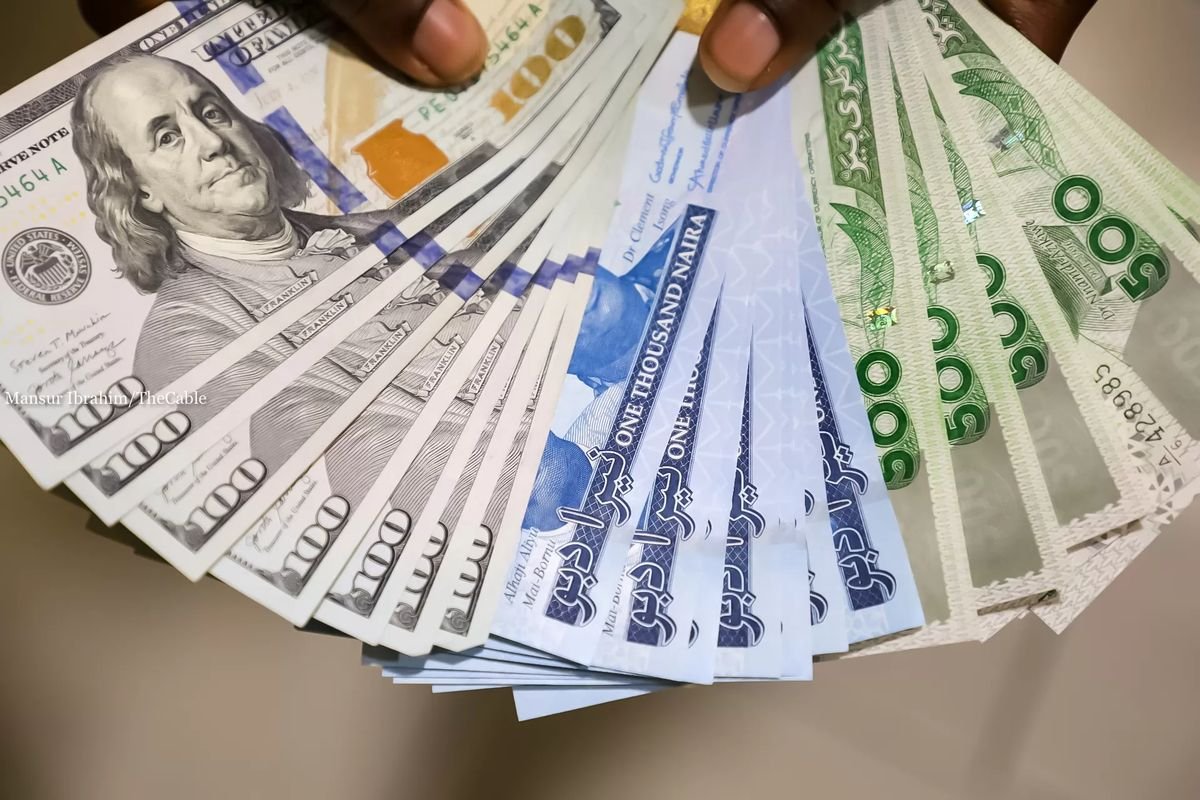
This recent drawdown suggests that the apex bank has been quite active in the market, possibly using these funds to meet the high demand for foreign exchange and maintain some level of stability.
However, as the reserves dip below the $50 billion mark, market analysts are beginning to question how long this level of intervention can be sustained without a corresponding boost in new dollar inflows.
Global geopolitical shifts and the future of the naira
It is also important to look at the bigger picture beyond our borders. The global financial landscape has been quite shaky, with significant geopolitical developments between the United States and Iran influencing investor behavior worldwide.
Interestingly, while the US dollar weakened slightly on the global stage following ceasefire announcements, the naira still faced local pressure.
On the bright side, OPEC+ has slightly increased oil production quotas for Nigeria, which could mean more petrodollars entering our system in the coming months. If we can ramp up our oil production to meet these new limits, it could provide the much-needed boost to our reserves and help the naira regain its strength.
Balancing domestic needs with international economic pressures
In summary, while the current exchange rate of N1,389/$ and the dip in reserves might seem concerning, it is part of the ebb and flow of a modern economy.
The Central Bank continues to manage a very complex situation, trying to balance the need for currency stability with the reality of our dwindling external buffers.
For the average Nigerian, the hope is that the recent policy reforms and the expected increase in oil revenue will eventually lead to a more predictable and stronger naira. Until then, the market remains in a state of watchful waiting, as we navigate these evolving financial waters.
Join Our Social Media Channels:
WhatsApp: NaijaEyes
Facebook: NaijaEyes
Twitter: NaijaEyes
Instagram: NaijaEyes
TikTok: NaijaEyes