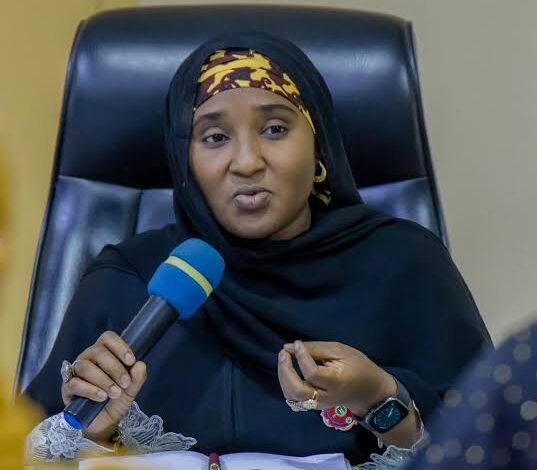
In Nigeria’s evolving conversation around developmental disorders, a growing number of advocates are drawing attention to one pressing issue: the wide gap between autism awareness and actual support for affected children and their families. A recent initiative by a non-profit organisation is now placing that gap at the centre of national discourse, urging communities, policymakers and institutions to move beyond awareness campaigns and embrace real, structured support systems.
At the heart of this renewed advocacy is a foundation-driven effort to improve access to care, education and inclusion for children on the autism spectrum. The intervention reflects a broader concern shared by stakeholders across the country, that while conversations about autism are increasing, practical support remains limited and uneven.
Growing Awareness but Limited Support Systems
Across Nigeria, awareness about autism has improved in recent years, driven largely by advocacy groups, media coverage and global observances such as World Autism Awareness Day. However, experts and caregivers say this awareness has not translated into sufficient institutional support.
At a recent gathering of stakeholders, participants acknowledged that many Nigerian families raising autistic children still face significant challenges, from delayed diagnosis to limited access to therapy and inclusive education. According to discussions at the event, families are often left to navigate these challenges on their own, with little structured assistance from public systems.
This disconnect between awareness and support has created what many describe as a “silent burden” for parents and caregivers. In practical terms, it means that even when a child is diagnosed early, access to intervention services such as speech therapy, behavioural therapy and specialised education remains scarce or unaffordable for many households.
Stakeholders also highlighted the social dimension of the problem. Despite growing awareness, stigma and misunderstanding still persist in many communities. Children with autism are sometimes excluded from schools, social activities and even family events due to misconceptions about the condition.
Foundation Steps In to Bridge the Gap
Against this backdrop, the foundation behind the recent initiative is working to close the support gap through a multi-layered approach that focuses on awareness, caregiver support and community engagement.
The organisation’s strategy goes beyond simply educating the public. It aims to equip families with practical tools, connect them with resources and create a network of support that extends into schools and communities.
During the event, organisers emphasised the need for collective responsibility. They encouraged participants to become advocates for inclusion in their respective communities, stressing that meaningful change cannot happen without grassroots involvement.
The foundation’s intervention also aligns with broader calls from experts who have consistently advocated for stronger government involvement. At similar forums, stakeholders have urged authorities to invest in specialised services, subsidise therapy costs and integrate inclusive education policies into the national system.
By positioning itself as both an advocacy and support platform, the foundation is attempting to fill a critical gap that public systems have yet to fully address.
Families Continue to Bear the Burden
For many Nigerian families, raising a child with autism is as much an emotional journey as it is a financial and logistical challenge. Therapy sessions, specialised schooling and medical consultations often come at significant cost, placing pressure on already stretched household budgets.
In the absence of widespread public support, parents frequently rely on personal research, informal networks and private institutions to meet their children’s needs. This reality has created disparities in outcomes, where access to care is largely determined by a family’s financial capacity and location.
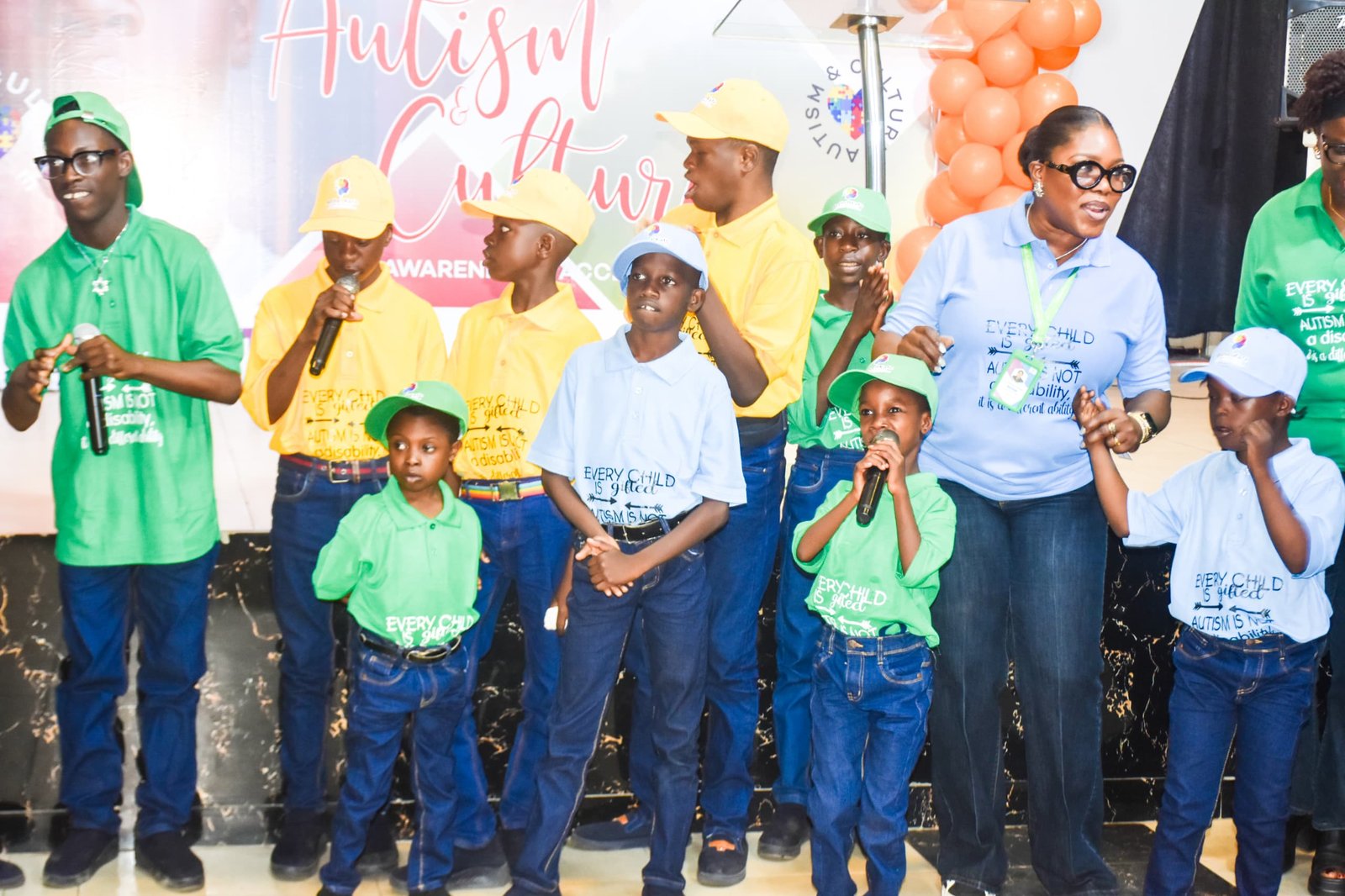
Stories from across the country highlight both the struggles and resilience of these families. Some parents have gone to extraordinary lengths to support their children’s development, discovering talents and abilities that challenge common stereotypes about autism.
Advocates argue that these stories should serve as a reminder that autism is not a limitation but a different way of experiencing the world. With the right support, many children on the spectrum can thrive, contribute meaningfully to society and achieve remarkable milestones.
However, without systemic support, these success stories remain the exception rather than the norm.
Call for Policy Reform and Inclusive Systems
The renewed push by advocacy groups and foundations has brought policy gaps into sharper focus. Experts are calling for a comprehensive national framework that addresses autism from diagnosis to adulthood.
Such a framework would include early screening programmes, training for healthcare professionals, integration of special education into mainstream schools and financial support for families. It would also require public awareness campaigns that go beyond basic education to actively challenge stigma and promote acceptance.
Recent discussions among stakeholders have emphasised that government intervention is critical to scaling impact. While non-governmental organisations and foundations can drive innovation and awareness, sustainable change requires policy backing and public investment.
There are also calls for collaboration between the public and private sectors. By partnering with advocacy groups, educational institutions and healthcare providers, the government can build a more inclusive system that supports children with autism at every stage of their development.
Importantly, experts stress that inclusion should not be treated as an afterthought. Instead, it should be embedded into existing systems, from classroom design to workplace policies, ensuring that individuals on the spectrum are not left behind.
A Shift from Awareness to Action
The foundation’s initiative represents a broader shift in Nigeria’s autism conversation, moving from awareness to action. While awareness remains important, stakeholders agree that the next phase must focus on tangible outcomes.
This includes expanding access to services, reducing costs for families and creating environments where children with autism are accepted and supported. It also means recognising the role of communities in shaping attitudes and behaviours.
As more organisations join the effort, there is cautious optimism that Nigeria can build a more inclusive future for individuals on the autism spectrum. However, achieving this goal will require sustained commitment from all sectors of society.
For now, the message from advocates is clear: awareness is only the beginning. The real work lies in building systems that support every child, regardless of their developmental differences.
The foundation’s call to action serves as both a reminder and a challenge, urging Nigerians to move beyond conversations and take deliberate steps towards inclusion.
Join Our Social Media Channels:
WhatsApp: NaijaEyes
Facebook: NaijaEyes
Twitter: NaijaEyes
Instagram: NaijaEyes
TikTok: NaijaEyes
READ THE LATEST EDUCATION NEWS