Nigeria’s recurring building collapse incidents are once again under scrutiny, as an Australia-based engineer has raised concerns that weak regulatory enforcement remains a major driver of the crisis. The warning comes amid growing anxiety over public safety, rapid urban development, and the continued loss of lives linked to structural failures across the country.
Across major cities such as Lagos, Abuja, and Ibadan, the frequency of building collapses has become alarming, with stakeholders increasingly pointing fingers at systemic failures rather than isolated mistakes. Industry observers say the situation reflects deeper governance challenges within Nigeria’s construction and urban planning systems.
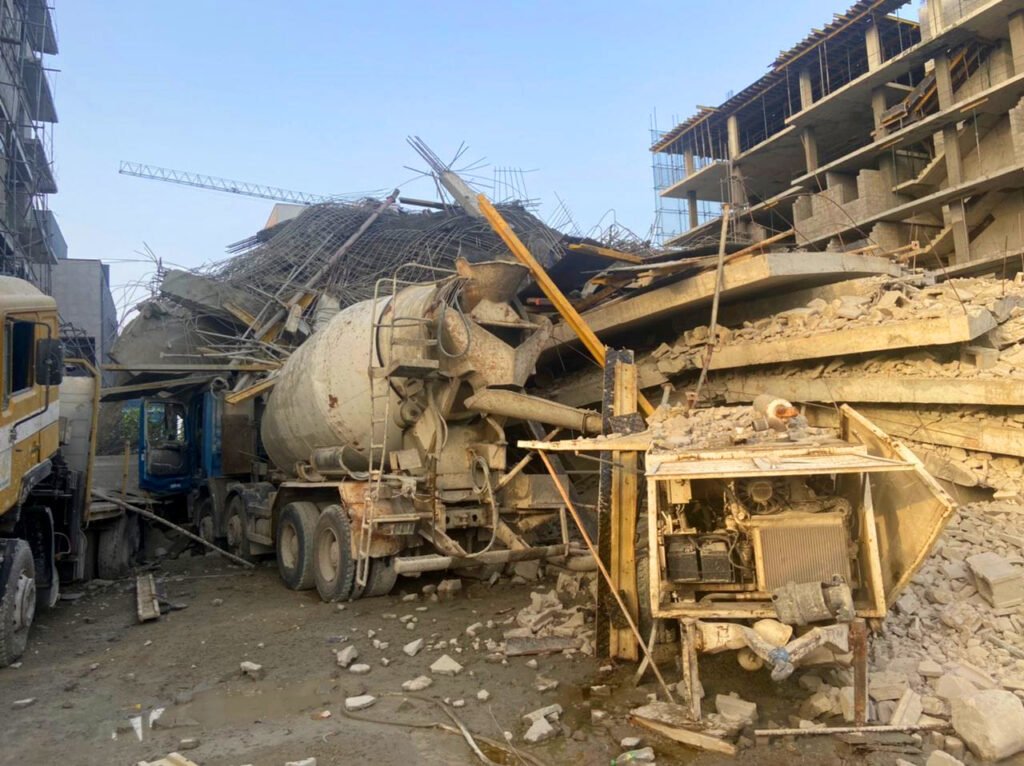
Expert raises alarm over weak enforcement
The engineer, speaking on the persistent issue, stressed that Nigeria’s building collapse problem is not primarily due to lack of knowledge or expertise, but rather the failure to enforce existing regulations effectively. According to him, many of the laws guiding construction practices are adequate on paper but poorly implemented in reality.
He noted that regulatory agencies often fall short in monitoring construction sites, approving building plans, and ensuring compliance with safety standards. This gap, he argued, creates room for developers to cut corners, use substandard materials, and bypass professional oversight without consequences.
Experts in the built environment have echoed similar concerns in recent years. The Nigerian Institute of Building has repeatedly blamed weak construction laws and lack of accountability for the rising number of collapses nationwide.
The Australian-based engineer further explained that without strict enforcement, even the most well-designed regulatory framework becomes ineffective. He warned that Nigeria risks normalising preventable disasters if urgent reforms are not introduced.
Rising toll of collapses and human cost
Data on building collapses in Nigeria paints a troubling picture. Reports indicate that hundreds of incidents have occurred over the decades, resulting in significant loss of lives and property. A 2025 report cited over 1,600 deaths linked to building collapses since 1971, with Lagos accounting for more than half of the cases.
Recent years have seen particularly devastating incidents, including multi-storey buildings collapsing in densely populated areas. In many cases, victims are construction workers, residents, or unsuspecting occupants who had little or no warning before the structures failed.
Beyond the immediate casualties, the psychological and economic impact on families and communities is profound. Survivors often face long-term trauma, while property owners incur heavy financial losses. These incidents also erode public confidence in Nigeria’s real estate sector.
Urbanisation is compounding the problem. As cities expand rapidly, the demand for housing and commercial spaces has led to a surge in construction activities, sometimes carried out without adequate supervision. Analysts say this pressure often encourages shortcuts that compromise structural integrity.
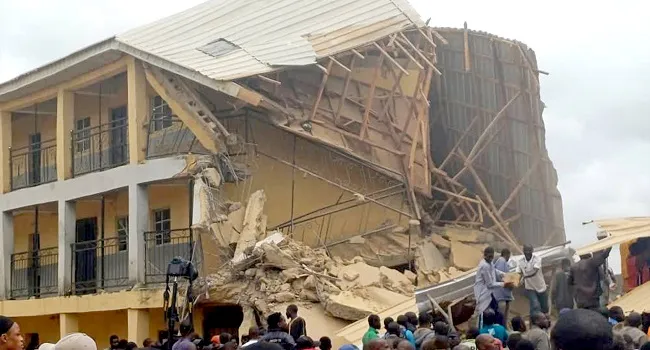
Root causes linked to systemic failures
Industry experts agree that weak regulation is only one part of a broader web of issues contributing to building collapses in Nigeria. Other key factors include corruption, poor workmanship, and the widespread use of substandard materials.
Research findings show that structural failure is frequently linked to inadequate supervision and poor-quality construction inputs. In many cases, buildings are erected without proper approval, or developers exceed approved limits, such as adding extra floors beyond what was initially permitted.
Corruption within regulatory bodies has also been identified as a major concern. Reports suggest that some officials overlook violations in exchange for financial inducements, allowing unsafe buildings to remain standing until disaster strikes.
Additionally, there is the issue of unqualified personnel handling construction projects. Without proper training or certification, such individuals may lack the technical expertise required to ensure structural stability.
The problem is further worsened by inadequate monitoring during construction. Even when projects begin with approved plans, deviations often occur midway without proper inspection or enforcement.
Government efforts and gaps
Government authorities at both federal and state levels have introduced policies aimed at curbing building collapses, but implementation remains inconsistent. In Lagos, for instance, officials have emphasised stricter enforcement and material testing as part of efforts to tackle the issue.
The Lagos State Materials Testing Laboratory Agency has been tasked with ensuring that construction materials meet required standards, while authorities have pledged a zero-tolerance approach to violations. However, observers say enforcement still falls short of expectations.
Across the country, similar initiatives have been announced, including calls for better inter-agency collaboration and improved inspection regimes. Yet, experts argue that without accountability and transparency, these measures may not yield meaningful results.
The Australia-based engineer stressed that regulatory agencies must be empowered with the necessary tools, resources, and independence to carry out their duties effectively. He also called for stricter penalties for offenders to serve as a deterrent.
Way forward as experts demand reforms
To address the crisis, stakeholders are advocating comprehensive reforms that go beyond policy declarations. One key recommendation is the establishment of a unified national construction framework that standardises regulations across states.
Legal experts have also proposed the introduction of a Construction Act to strengthen oversight, improve accountability, and enhance safety standards in the industry. Such a framework, they argue, would help restore investor confidence and protect lives.
Another critical area is capacity building. Professionals in the construction sector, including engineers, architects, and builders, must be adequately trained and certified to ensure compliance with global best practices.
Public awareness is equally important. Citizens need to be educated on the risks associated with substandard buildings and encouraged to report suspicious construction activities.
Technology can also play a role in improving monitoring and enforcement. Digital tools for tracking building approvals, inspections, and compliance could reduce human interference and enhance transparency.
Ultimately, experts agree that addressing Nigeria’s building collapse crisis requires a collective effort involving government, industry professionals, and the public. Without decisive action, the cycle of avoidable tragedies may continue.
As the warning from the Australia-based engineer highlights, the solution lies not just in creating laws, but in ensuring they are enforced consistently and without compromise.
Join Our Social Media Channels:
WhatsApp: NaijaEyes
Facebook: NaijaEyes
Twitter: NaijaEyes
Instagram: NaijaEyes
TikTok: NaijaEyes