The Nigerian government and the Joint Health Sector Unions are preparing to return to the negotiation table in what is shaping up to be one of the most important labour discussions in the country’s health sector this year. The talks are expected to focus on long-standing salary disputes, welfare concerns, and the implementation of previous agreements that have repeatedly stalled and triggered industrial action across hospitals nationwide.
The renewed engagement comes at a time when the health system is still recovering from disruptions caused by earlier strikes and growing pressure from workers demanding improved pay structures and better working conditions.
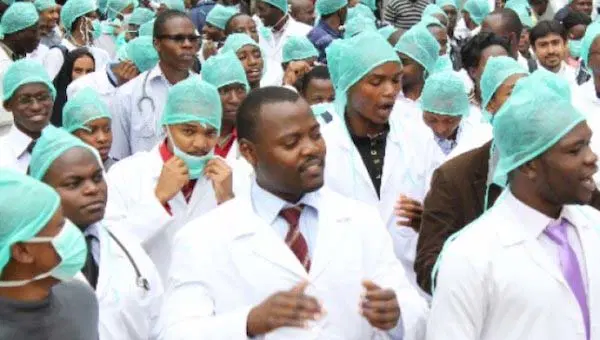
Renewed dialogue after months of tension in the health sector
After months of strained relations between both sides, the Federal Government and the Joint Health Sector Unions have agreed to resume formal negotiations under the Collective Bargaining Agreement framework.
According to information from official communications and union representatives, the discussions are scheduled to continue in mid-April 2026 at the Federal Ministry of Labour and Employment in Abuja. The engagement follows earlier meetings that attempted to address unresolved issues but ended without a final agreement.
At the centre of the dispute are long-standing concerns over salary structures, particularly the Consolidated Health Salary Structure, which health workers argue has not been properly reviewed in line with changing economic realities. These disagreements have repeatedly led to breakdowns in talks and have, in the past, resulted in prolonged industrial action that affected healthcare delivery across the country.
The unions have maintained that the delay in implementing agreed salary adjustments has widened dissatisfaction within the health workforce, while government officials have consistently pointed to budgetary constraints and the need for structured implementation processes.
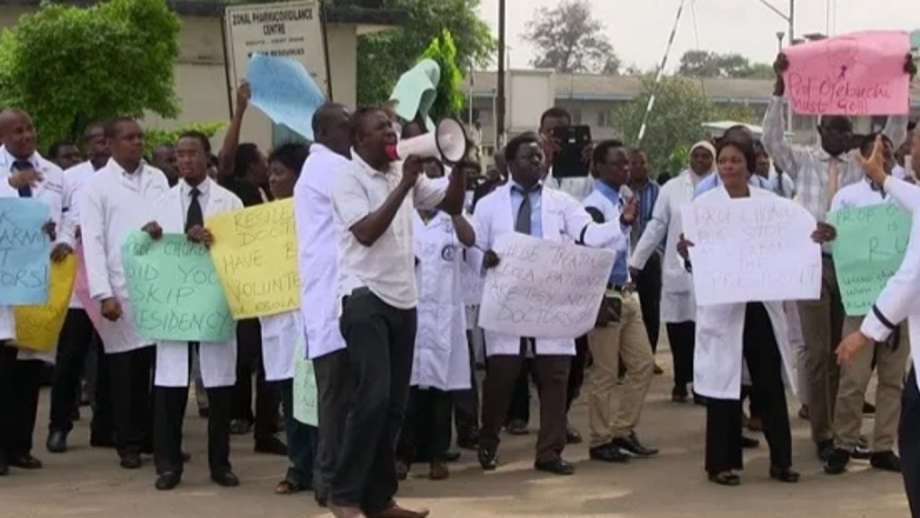
Salary structure disputes and the weight of past agreements
One of the major sticking points in the negotiations remains the issue of salary relativity within the health sector. Health workers under the unions have long argued that salary adjustments introduced in previous agreements have not been fully implemented, creating tension across different professional groups within the system.
Union representatives have repeatedly pointed to earlier memoranda of understanding signed with government authorities, insisting that many of the commitments remain outstanding. These unresolved agreements have formed the backbone of renewed demands being brought back to the table in the current negotiation cycle.
The government side, on its part, has consistently stated its willingness to engage with labour representatives but has also emphasised the need for phased implementation and alignment with national wage policies. This difference in interpretation of agreements has remained a central obstacle in reaching a lasting resolution.
Over time, these disagreements have contributed to a cycle of negotiations, partial resolutions, and renewed disputes, leaving both patients and health workers caught in recurring uncertainty.
Impact of industrial actions on Nigeria’s healthcare system
The consequences of prolonged disagreements between the Federal Government and health sector unions have been felt across hospitals and medical centres nationwide. Previous industrial actions have disrupted healthcare services, forcing many patients to seek alternatives in private facilities or delay treatment.
In one of the most significant recent strikes, health workers downed tools for several weeks, severely affecting service delivery in public hospitals. Emergency units operated under pressure, elective procedures were postponed, and routine medical services slowed down significantly.
Stakeholders in the health sector have repeatedly warned that continued disruptions could further weaken an already stretched system struggling with staffing shortages, inadequate infrastructure, and rising patient demand.
Healthcare professionals have also expressed concern that frequent industrial actions place additional emotional and physical strain on workers who remain on duty during partial service disruptions.
The renewed talks are therefore being closely watched by patients, medical associations, and policy observers who see the outcome as critical to stabilising healthcare delivery in the country.
Cautious optimism as both sides return to the negotiation table
Despite the history of stalled negotiations, there is cautious optimism that the latest round of talks may yield more concrete outcomes. Both government and union representatives have indicated a willingness to engage constructively and avoid another prolonged breakdown in discussions.
Union leadership has expressed hope that the current engagement will finally address unresolved issues in a fair and timely manner, particularly those affecting salary implementation and welfare improvements. They have also stressed the importance of maintaining communication with members throughout the negotiation process.
On the government side, officials have reiterated their commitment to industrial harmony in the health sector, noting that ongoing dialogue remains the most effective path to resolving disputes without further disruption to public services.
Observers note that the success of the talks will depend largely on the ability of both parties to move beyond recurring disagreements and focus on practical implementation strategies that can be sustained over time.
As the April meeting approaches, attention remains firmly fixed on Abuja, where the outcome of the discussions could determine the direction of labour relations in Nigeria’s health sector for the rest of the year.
Join Our Social Media Channels:
WhatsApp: NaijaEyes
Facebook: NaijaEyes
Twitter: NaijaEyes
Instagram: NaijaEyes
TikTok: NaijaEyes