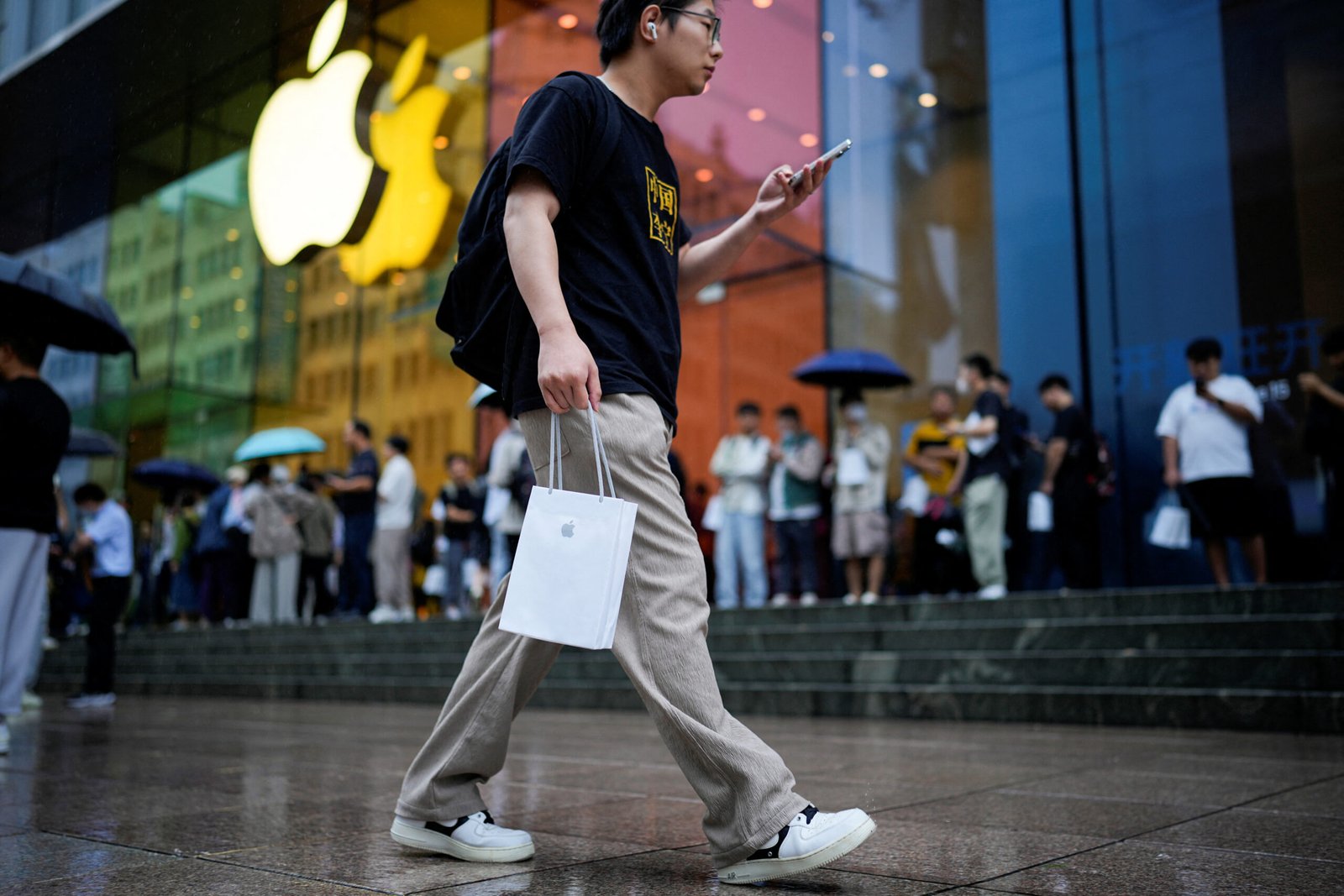

In a surprising turn for the global smartphone industry, Apple has recorded a strong comeback in China, with iPhone shipments rising sharply in the first quarter of 2026. The development stands out because it comes at a time when the broader Chinese smartphone market is struggling with declining sales, rising costs and cautious consumer spending.
According to a Reuters report, fresh data from Counterpoint Research show that iPhone shipments grew by about 20 per cent between January and March, making Apple the fastest-growing major smartphone brand in the country during the period.
This growth paints a complex picture of a market under pressure but still capable of rewarding brands that get their pricing, positioning and product value right.

China Smartphone Market Faces Pressure as Costs Rise
China remains the largest smartphone market in the world, but the first quarter of 2026 has proven difficult for many manufacturers. Industry data shows that overall smartphone shipments dropped by roughly 4 percent during the period.
The decline has been largely driven by rising component costs, especially memory chips, as well as lingering supply chain disruptions affecting production and pricing across the sector.
For many brands, the response has been straightforward but risky. Several manufacturers increased prices, particularly for budget devices, in an attempt to protect profit margins. However, this strategy appears to have backfired in a price-sensitive market where consumers are becoming more cautious.
Brands like Xiaomi recorded one of the sharpest declines, with shipments falling by as much as 35 percent compared to the same period last year.
Other major players such as Oppo and Honour also saw declines, though less severe, while Vivo managed modest growth of around 2 percent, helped by strong festive season demand during the Lunar New Year.
The overall picture is clear. The market is no longer growing as easily as before, and competition is becoming more intense as companies fight for a shrinking pool of buyers.
Apple and Huawei Stand Out as Market Leaders
While many brands struggled, two companies stood out clearly. Apple and Huawei both recorded growth, defying the broader market trend.
Huawei retained the top position in China with a market share of about 20 percent, while Apple followed closely with around 19 percent.
Huawei’s performance was driven by strong demand across both premium and budget segments, including devices like its Enjoy series, which continue to attract cost-conscious consumers.
Apple’s growth, on the other hand, reflects a different strategy. Instead of competing on price, the company has leaned heavily on perceived value, product durability and ecosystem strength.
According to analysts, many Chinese consumers now see iPhones as long-term investments rather than luxury purchases. The belief that an iPhone can last for several years without losing performance has helped justify its higher upfront cost.
This positioning has allowed Apple to maintain demand even as competitors struggle to balance rising costs and competitive pricing.
Why Chinese Consumers Are Choosing iPhones Again
The 20 percent surge in iPhone shipments is not just a random spike. It reflects deeper shifts in consumer behaviour and market dynamics.
First, there is the issue of value perception. While some Android brands have raised prices due to increased component costs, Apple has managed to maintain a relatively stable pricing strategy, absorbing some of the cost pressures internally.
This has made iPhones appear more competitive, especially in the premium segment, where buyers expect reliability and long-term use.
Second, Apple’s strong supply chain management has helped it avoid some of the disruptions affecting rivals. The company’s global scale and supplier relationships give it an advantage when sourcing critical components like memory chips.
Third, brand loyalty continues to play a major role. Despite growing competition from domestic brands, Apple still commands a loyal customer base in China, particularly among urban and high-income consumers.
Finally, product lifecycle matters. Many users are upgrading from older iPhones released several years ago, creating a natural replacement cycle that supports steady demand.
What This Means for the Global Smartphone Industry
The latest data from China is significant beyond the country itself. It reflects broader trends that are shaping the global smartphone market in 2026.
Globally, smartphone shipments have also been under pressure due to rising costs and weaker consumer demand. Yet, Apple has managed to grow its global market share, supported by strong performance in key markets like China.
This suggests that the industry may be entering a phase where only the strongest brands can maintain growth, while smaller or less differentiated players struggle.
For manufacturers, the key challenge going forward will be balancing cost pressures with consumer expectations. Raising prices too quickly could drive customers away, but absorbing costs could reduce profitability.
Analysts expect the second quarter of 2026 to remain challenging, with more brands likely to increase prices as component costs continue to rise.
However, companies like Apple and Huawei are expected to remain relatively resilient, thanks to their strong brand positioning and diversified product strategies.
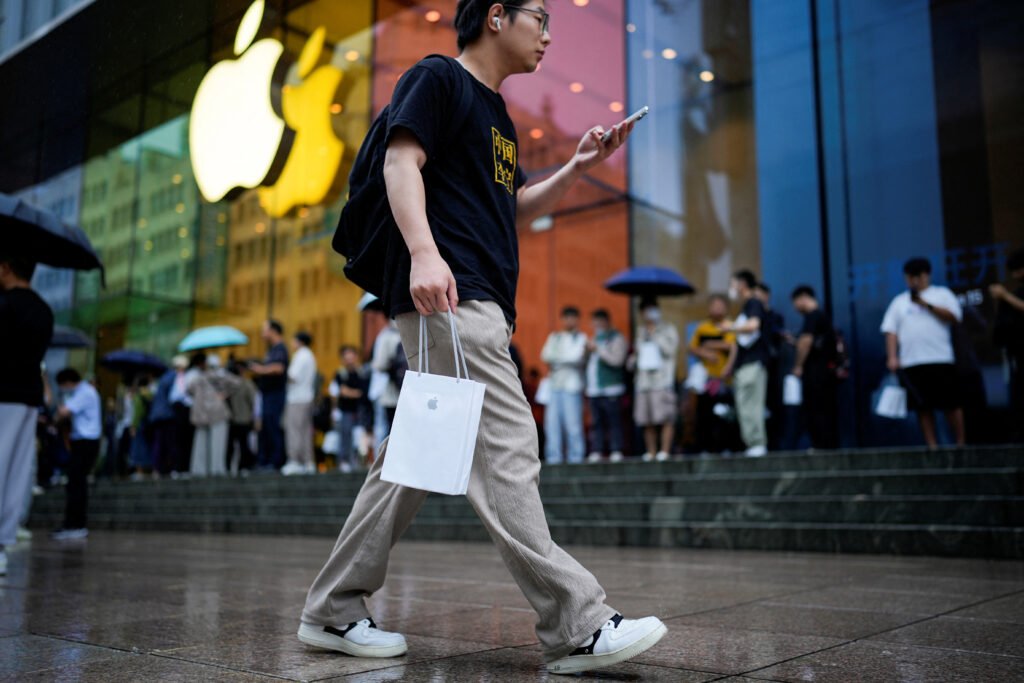
Outlook for Apple in China and Beyond
Looking ahead, Apple’s performance in China will remain a critical factor in its global strategy. The country is not only a major market for iPhones but also a key part of Apple’s supply chain and long-term growth plans.
If current trends continue, Apple could strengthen its position further, especially if it continues to focus on product quality, ecosystem integration and long-term value.
At the same time, competition from Chinese brands is not going away. Companies like Huawei are regaining strength and expanding across different price segments, which could challenge Apple’s growth in the coming quarters.
For now, though, the first quarter of 2026 has delivered a clear message. Even in a difficult market, strong branding, smart pricing and consistent product performance can still drive growth.
Apple’s 20 percent shipment surge in China is more than just a number. It is a signal that in today’s smartphone market, value and trust matter more than ever.
Join Our Social Media Channels:
WhatsApp: NaijaEyes
Facebook: NaijaEyes
Twitter: NaijaEyes
Instagram: NaijaEyes
TikTok: NaijaEyes