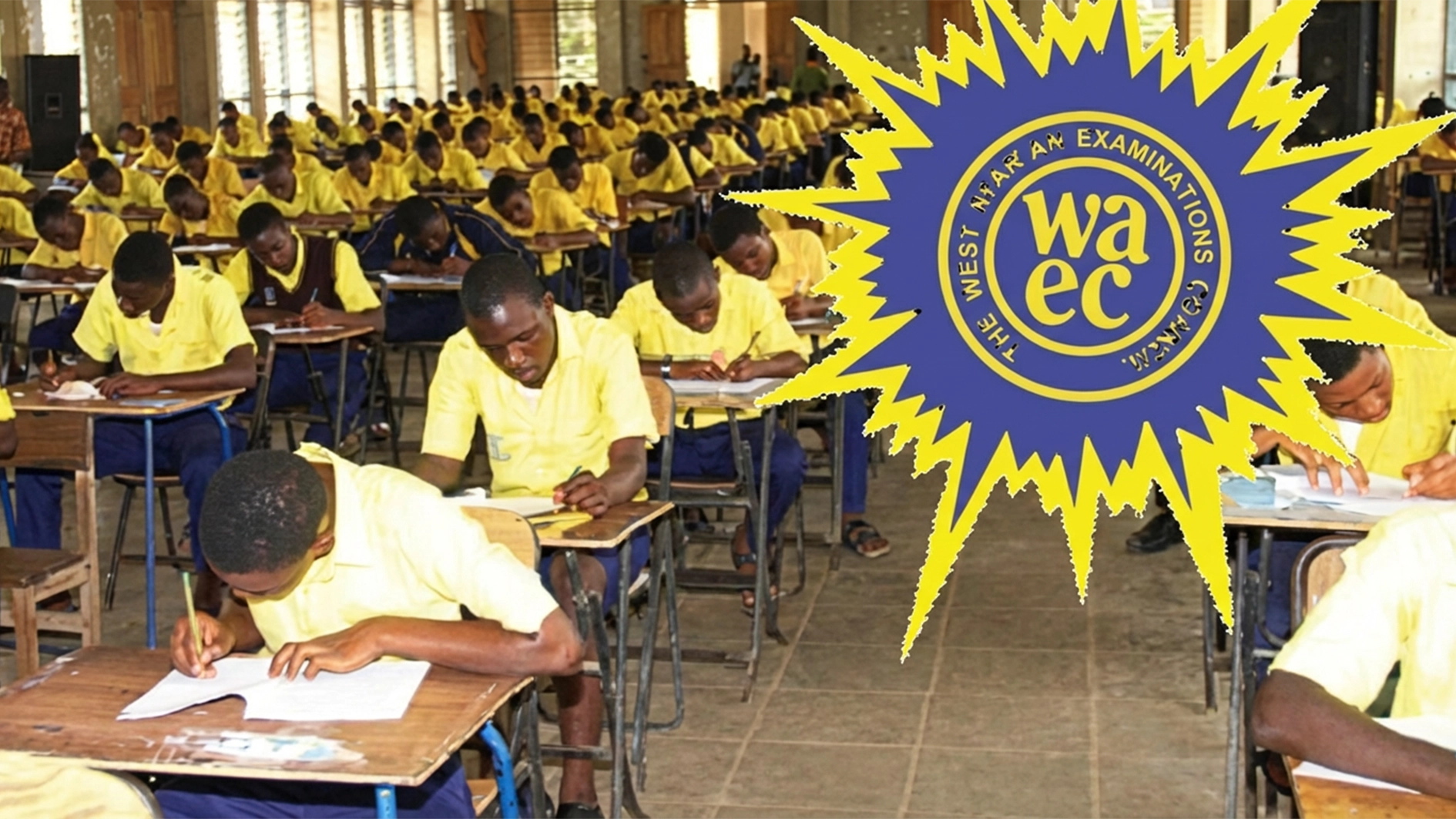

The Federal Government has approved an increase in registration fees for the Senior Secondary School Certificate Examinations (SSCE), administered by both the West African Examinations Council (WAEC) and the National Examinations Council (NECO), raising the cost to ₦50,000 per candidate starting in 2027.
The Federal Ministry of Education communicated this approval, which will push the NECO SSCE registration fee up from ₦30,000 to ₦50,000. Under the same directive, the WAEC registration fee will rise from ₦27,000 to match that amount.
While the 2026 National Examinations Council (NECO) exam is currently underway, the West African Examinations Council (WAEC) concluded its Senior School Certificate Examination a few weeks ago.
Adeniji Ibrahim, the Director of Senior Secondary Education at the Federal Ministry of Education, signed the June 18, 2026, document outlining this decision on behalf of the Minister of Education.
The memo indicates that the fee adjustment followed a policy decision reached during a March 31, 2026, meeting between the Minister of Education and the examination boards. During that session, the ministry instructed both WAEC and NECO to introduce a uniform registration fee for their internal SSCE exams.
Part of the memo reads, “The West African Examinations Council has requested an upward review of the examination fees for the Senior School Certificate Examination for school candidates, with effect from 2027.
The new fee is expected to place an extra financial burden on several state governments that sponsor candidates for these exams, sparking fears that unpaid debts owed to both WAEC and NECO could rise.
Education stakeholders are also concerned that the price hike will make it significantly harder for thousands of candidates to register. This is especially true in states where local governments do not fully finance or subsidize SSCE registration costs.
Backstory…
The increase in the cost of registering for the West African Senior School Certificate Examination (WASSCE) and the National Examination Council (NECO) examinations comes amid a steady rise in education-related expenses across Nigeria.
In recent years, authorities have raised the registration fees for both examinations multiple times. Authorities have consistently cited inflation, the soaring cost of examination materials, logistics, security, technology upgrades, and the depreciation of the naira as the primary drivers behind the increases.
Each successive increment has sparked deep concern among parents, school owners, and education stakeholders. They warn that these higher fees will pile additional financial pressure onto households already struggling to cope with a relentless rise in the cost of living.
Read Also: Nigeria’s Education Ministry Under Fire Over 2026 WAEC Plan