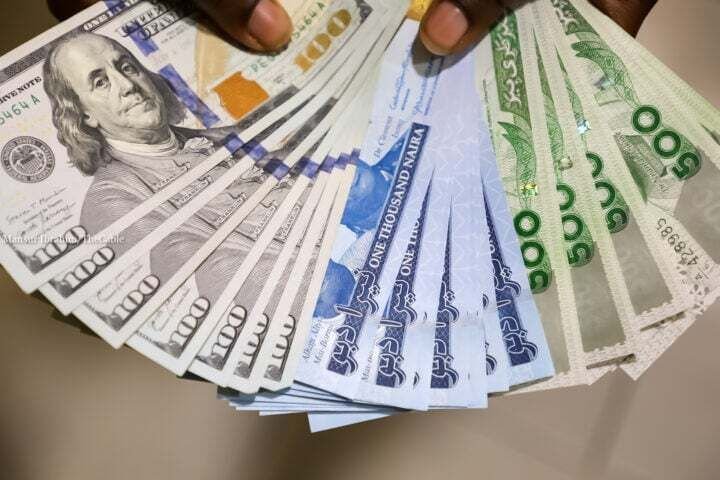
Mr. Adebayo, a retired high school principal living in Ibadan, recently received a substantial lump-sum gratuity payout. He initially planned to park his hard-earned savings in a regular commercial bank account. However, he quickly realized that rising consumer inflation would rapidly erode his purchasing power over time. Seeking a much safer financial shield, he instructed his local stockbroker to aggressively invest his entire retirement payout into the latest CBN Treasury Bills auction.
This smart decision aligns perfectly with a historic wave of institutional trading across the entire country. Consequently, the latest government debt sale has witnessed an unprecedented flood of cash from both corporate institutions and local retail savers. Investors are actively moving away from risky equity portfolios to secure guaranteed double-digit returns from short-term government assets.
Giant Cash Wave Hits the One Year Bond
The sheer scale of this market participation completely surprised veteran financial market analysts. According to official performance records released by the Central Bank of Nigeria, the one-year debt asset alone attracted an astonishing 1.86 trillion naira in total public subscriptions. Notably, this massive demand far exceeded the initial 500 billion naira that the apex bank originally offered to the public.
This overwhelming oversubscription reflects a strong appetite for premium yields. To satisfy this extreme buyer demand, the banking regulator ultimately distributed 935.32 billion naira in 364-day bills to hungry investors. Furthermore, the final stop rate for this specific twelve-month asset climbed up significantly to 17.70 percent, rising steadily from 17.34 percent recorded during the previous trading cycle.
Massive Cash Surge Drives Market Demand
This intense rush for short-term debt was primarily triggered by a massive injection of idle cash into the domestic banking network. Just days before the main bidding process opened, the central government fully repaid 2.21 trillion naira in maturing Open Market Operation securities. Because the central authorities did not immediately launch a follow-up auction to absorb this huge cash wave, commercial banks suddenly found themselves holding massive amounts of excess liquidity.
Alao read Nigeria Launches New Savings Bonds with Highest Returns of the Year
Therefore, financial managers urgently needed a secure environment to deposit these massive funds. According to independent market data published by Nairametrics, total institutional placements at the official standing deposit facility jumped by 87 percent to reach a high of 4.60 trillion naira. This sudden abundance of loanable capital gave commercial banks and pension administrators immense bidding power, allowing them to easily flood the government portal with aggressive buy orders.
Shorter Tenor Options Face Low Interest
While the long-term twelve-month asset experienced an explosive boom, shorter-term investment maturities received a much quieter reception from local market participants. For example, the short-term 91-day bills recorded total public subscriptions of only 146.54 billion naira against an initial target offer of 100 billion naira. Meanwhile, the mid-tier 182-day option faced an even colder response, finishing the trading session heavily undersubscribed as institutional buyers ignored it.
Ultimately, this latest CBN Treasury Bills auction marks a highly successful start to the government’s third-quarter domestic borrowing strategy. Financial regulators intend to raise a total of 5.8 trillion naira through similar debt offerings before the end of September. For everyday savers like Mr. Adebayo, these high-yielding instruments offer a perfect opportunity to safely grow their capital while keeping their investments completely free from default risks.