
Nigeria’s political season has officially entered a new phase as campaigns for the 2027 election campaigns begin today, August 19, setting the stage for what is expected to be one of the country’s most closely watched elections in years.
From rallies and town-hall meetings to social media battles, political defections and promises of a better Nigeria, the months ahead are likely to bring plenty of drama.
However, beyond the familiar noise that often accompanies election seasons, the 2027 campaign will also test how political parties and candidates respond to growing demands for accountability, economic relief and credible leadership.
Expect a Fierce Battle for the Presidency
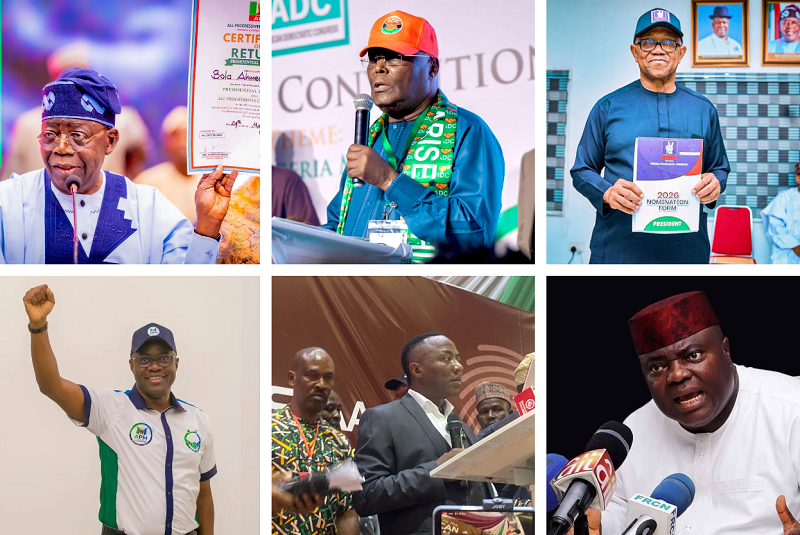
The presidential race is shaping up as a major contest between the ruling All Progressives Congress (APC) and an increasingly crowded opposition field.
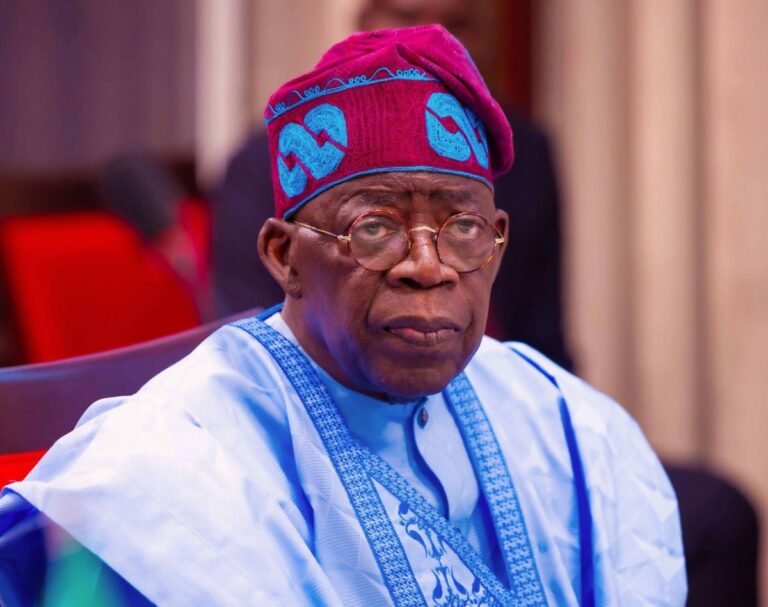
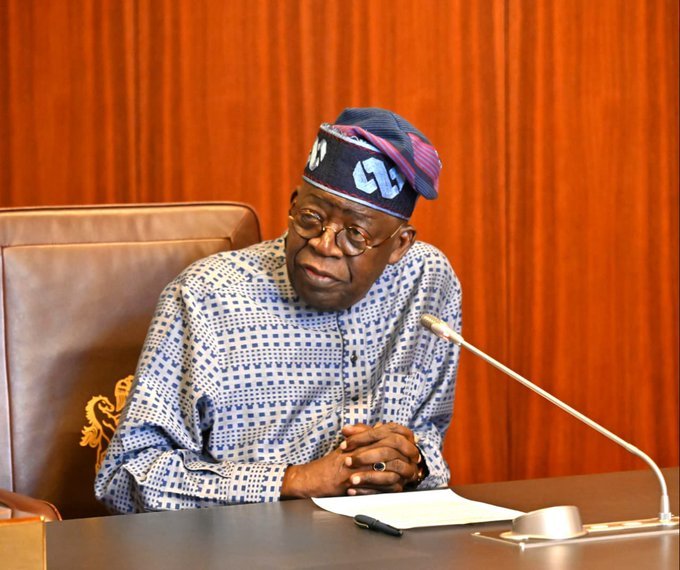
President Bola Ahmed Tinubu is seeking a second term, while former Vice President Atiku Abubakar, Peter Obi, Omoyele Sowore, and other opposition figures are preparing to challenge him.
The emergence of the African Democratic Congress (ADC) as a major opposition platform has added another dimension to the race. Opposition politicians are working to build a coalition capable of unseating the APC, although questions remain over whether the various interests can maintain unity until election day.
Nigerians should therefore expect more political negotiations, endorsements, defections, and potentially more surprises as the 2027 campaign gathers momentum.
Read Also: Tinubu, Obi, Sowore Sign Peace Accord
Social Media as a Political Battleground
The 2027 election campaigns will not be fought only on traditional rally grounds.
TikTok, X, Facebook, Instagram, YouTube and WhatsApp will play an increasingly important role in determining how Nigerians receive political information.
Candidates will use social media to reach younger voters, promote their policies and respond quickly to their opponents. At the same time, Nigerians should expect an increase in misinformation, manipulated videos, fake quotes and AI-generated political content.
This makes media literacy more important than ever. A video going viral does not automatically make it true.
More Political Defections to Come
If previous Nigerian elections are anything to go by, the campaign period will likely bring another wave of political movement.
Politicians may change parties, former rivals may suddenly become allies and politicians who once criticised one another may appear on the same campaign platforms.
Some of these alliances will be driven by ideology, but others will inevitably be interpreted through the lens of political calculations and electoral advantage.
The real test will be whether these alliances translate into better choices for voters or simply rearrange the political establishment.
Security and Electoral Credibility
Security remains another major concern as campaigns move across the country.
Large rallies and political gatherings can create security challenges, particularly in areas already affected by violence. Political parties and security agencies will therefore face pressure to ensure that candidates can campaign freely without intimidation or attacks.
There will also be intense scrutiny of the Independent National Electoral Commission (INEC).
The commission has already released its timetable for the 2027 elections and begun preparations, including plans for the deployment of more than 1.4 million ad hoc staff.
INEC has repeatedly promised a credible election and reassured Nigerians that their votes will count. Whether voters believe those assurances will depend largely on how well the commission handles the months ahead.
Read Also: INEC gears up for 2027 election, to deploy 1.4m ad hoc staff
What should change
Ultimately, the 2027 2027 Election Campaigns should be about more than who can draw the biggest crowd or produce the most entertaining campaign video.
Nigerians should pay attention to policies, track records, funding, leadership capacity and the credibility of the promises being made.
Candidates will have plenty to say between now and election day. The more important question is whether they can explain how they intend to deliver what they promise.
The campaign season has officially begun. The rallies will come, the slogans will multiply and the political drama will intensify.
But when the noise eventually fades and Nigerians walk into polling booths, the responsibility will remain with the voters to decide which promises deserve their trust.