The state government is expanding its crackdown on illegal street trading in Lagos by targeting buyers who purchase goods along busy roads. Starting next week, state enforcement task forces will arrest and prosecute shoppers along with informal vendors.
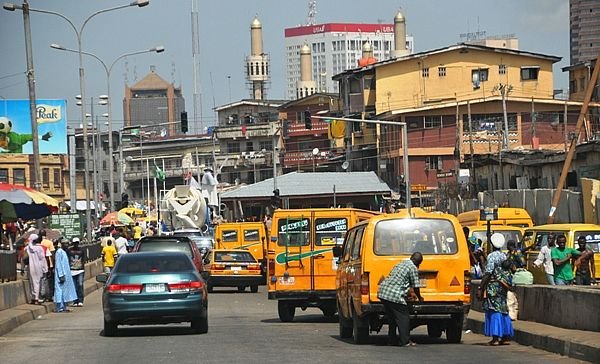
According to official declarations from environmental authorities, this policy change aims to break the financial cycle sustaining unregulated markets. Consequently, residents must now avoid purchasing items from vendors operating on sidewalks, road medians, and public transit corridors.
Backstory: Environmental Sanitation Laws and Urban Management
To understand this policy shift, one must look back at years of public safety campaigns across the metropolis. Unregulated street markets have long created urban management challenges across major commercial districts. Furthermore, vendors frequently dump plastic waste, wooden crates, and organic refuse directly into public drainage channels.
Under the direction of Dr. Muyiwa Gbadegesin, Managing Director of the Lagos Waste Management Authority, officials are enforcing the Environmental Management and Protection Law of 2017. Gbadegesin, an expert in environmental policy, previously led state sanitation reforms to modernize municipal waste collection.
- 2017: The state government enacts the Environmental Management and Protection Law, criminalizing street trading and buying.
- February 2025: Environmental commissioners issue public warnings regarding structural damage caused by vendors blocking drainage networks.
- June 2025: Joint tasks forces clear illegal roadside markets along the Ojo-Alaba expressway, making key arrests.
- September 2026: Environmental authorities announce that enforcement operations will officially target both buyers and sellers.
Legal Consequences and Public Health Threats
By targeting demand, environmental officers hope to eliminate informal trading zones that reappear shortly after clearance operations. As senior analyst Chike Olisah reported, Section 151 of the state environmental law explicit prohibits buying goods displayed in unauthorized areas.
“The law does not only prohibit illegal street trading,” Gbadegesin stated during a press briefing at headquarters. “It also makes it an offence to buy goods exposed or offered for sale in prohibited places.” Furthermore, individuals convicted under these provisions face penalties including an N90,000 fine, six months imprisonment, or both.
Promoting Sanitation Through Approved Commercial Markets
Addressing urban sanitation requires active cooperation between local residents, corporate vendors, and municipal waste managers. Environmental regulators emphasize that buying from roadside traders encourages unsafe habits that compromise city infrastructure.
Additionally, municipal authorities are improving regular waste collection services across residential neighbourhoods and commercial districts. Ultimately, encouraging residents to shop in recognized public markets will protect municipal infrastructure, improve traffic flow, and ensure a cleaner environment for everyone.