
Nigeria’s data consumption has risen by nearly 47 per cent in one year, exposing pressure on the country’s digital infrastructure. The Nigerian Communications Commission (NCC) says data use climbed from about 1.13 million terabytes in July 2025 to 1.66 million terabytes in July 2026. The regulator says sustaining that pace will require investment in network capacity, modernisation and service quality.
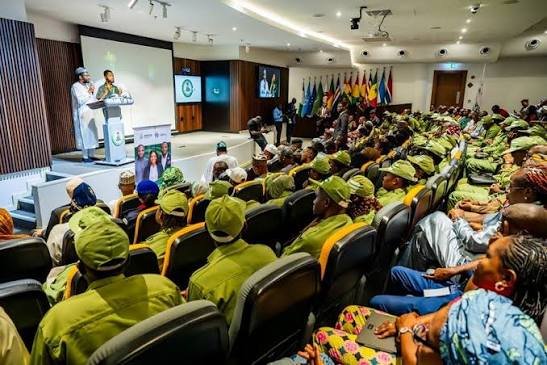
The figures were presented at the Nigeria Digital Connectivity Investment Forum in Abuja on September 29 and 30, where stakeholders examined how to finance future connectivity. The forum brought together regulators, investors, telecom operators, infrastructure providers and development partners as concerns grow about whether existing networks can keep pace with rising demand.
For Nigerians, the issue is familiar. Higher data use means more video, cloud services, online learning, digital payments, remote work, social platforms and business activity moving through networks. As dependence on these services grows, weak coverage, congestion and unstable service can become more than a telecoms problem. They can affect productivity, education and access to essential services.
Also Read: Outrage! 50% Telecom Hike Gets NATCOMS’ Backing
Why Nigeria’s Data Demand Is Rising
The increase in data consumption reflects a shift in how Nigerians use the internet. Connectivity is no longer limited to calls and messaging. Businesses depend on digital platforms, students increasingly access learning materials online, while consumers use mobile networks for banking, commerce and entertainment.
The NCC’s industry statistics show that active mobile internet subscriptions stood at about 157.27 million in July 2026. Broadband subscriptions were also growing, with the regulator reporting 124.42 million connections in the same month. The figures point to a market where more people and devices are coming online while existing users are also consuming more bandwidth.
Artificial intelligence and cloud computing could accelerate that trend. According to the communiqué from the connectivity investment forum, participants expect total subscriptions to rise from about 195 million to 350 million over the next 10 to 15 years. They warned that future demand would put pressure on networks, data centres and electricity supply.
The Infrastructure Challenge
The concern is whether infrastructure investment can grow fast enough to match demand. The NCC says the challenge is not only extending coverage to communities but also improving the experience of Nigerians who are already connected.
Industry stakeholders identified power supply and middle-mile connectivity as major constraints. Data centres and internet service providers face costs when reliable inland connectivity is limited, while telecom operators continue to depend heavily on costly power solutions for network sites.
The forum also highlighted Nigeria’s broadband adoption gap. Mobile broadband is reported to cover roughly 90 per cent of the population, but smartphone ownership is estimated at 27 per cent, while broadband penetration was 57.4 per cent, below the national 70 per cent target. This suggests that coverage alone will not close the digital divide. Device affordability, digital skills and trust remain significant barriers.
There are signs of policy movement. The NCC says states are being engaged over right-of-way charges and deployment processes, while telecommunications infrastructure has been recognised as Critical National Information Infrastructure. The commission has also pointed to the 2025 telecom tariff adjustment as part of efforts to improve operators’ ability to invest in networks.
Back Story
Nigeria’s telecoms sector has expanded dramatically since liberalisation created room for private investment, but the infrastructure story has become more complicated as digital demand has accelerated. NCC records show data consumption has risen strongly over the past two years, while the sector contributed 9.72 per cent to real GDP in the second quarter of 2026.
The regulator is pushing for more long-term investment, better evidence on network performance and financing models that can support infrastructure with long asset lives. Proposals from the forum included stronger fibre development, better power availability, harmonised right-of-way rules and long-term naira financing.
For users, the significance is straightforward: Nigeria’s appetite for connectivity is growing faster than ever. The next test is whether investment in fibre, towers, power, data centres and digital skills can keep up. If it does, the surge in data consumption could support a larger economy. If infrastructure falls behind, the same growth could mean more congestion, higher costs and poorer service for millions of Nigerians.