
The African Development Bank Group (AfDB) and the United Nations Development Programme (UNDP) are stepping up efforts to turn Africa’s artificial intelligence ambitions into practical economic opportunities, with a proposed $10 billion initiative now moving towards implementation.
The development follows a meeting between representatives of both institutions at the African Development Bank’s headquarters in Abidjan, Côte d’Ivoire, after a UNDP delegation visited from 5 to 7 October 2026. The partnership aims to mobilise $1 billion annually over the next decade to support artificial intelligence adoption, strengthen digital infrastructure and improve productivity across African economies.
Known as the AI 10 Billion Initiative, the programme is designed to bring governments, development finance institutions and private investors together to finance projects that can deliver measurable economic benefits. According to the African Development Bank’s announcement, the initiative could contribute to the creation of 25 million jobs by 2035.
Also Read: Nigeria’s Sovereign Cloud Plan: What It Means for Data Security, AI and Digital Independence
Africa Targets Jobs and Economic Growth Through Artificial Intelligence
The initiative comes at a time when African countries are under pressure to create employment for a growing young population while improving the productivity of existing businesses.
The AfDB estimates that more than 300 million young Africans will reach working age within the next decade. Without sufficient investment in infrastructure, education and productive industries, many could struggle to find meaningful employment.
Artificial intelligence could help address some of these challenges by making essential services more accessible and helping businesses operate more efficiently.
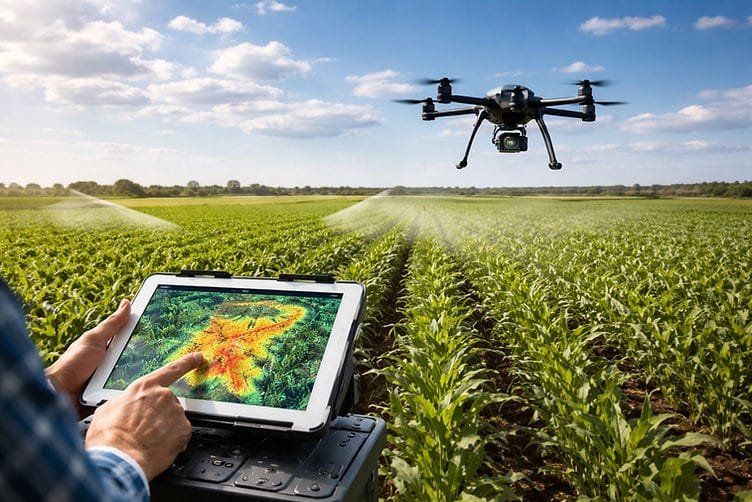
In agriculture, for example, farmers could receive advice in local languages through voice-based AI services. Traders could benefit from improved payment systems and access to credit, while manufacturers could use intelligent systems to monitor equipment and improve production.
Healthcare providers could also use AI-assisted tools to support clinical decisions, particularly in primary healthcare facilities where resources and specialist services may be limited.
The AfDB’s 2025 report, Africa’s AI Productivity Gain, projects that inclusive AI adoption could add as much as $1 trillion to the continent’s gross domestic product by 2035. Agriculture, wholesale and retail, manufacturing, finance and healthcare could account for 58 per cent of the estimated gains.
However, these figures represent potential outcomes, not guaranteed results. Their achievement will depend on investment, implementation and whether businesses and communities can access and use the technology effectively.
Five Countries to Lead the Initial Implementation
The AfDB and UNDP plan to begin implementation in five countries before expanding the programme to 20 countries by the end of 2027. The institutions have not yet publicly identified the initial participating countries.
The approach will involve three main stages. First, the partners will assess each country’s economic priorities and identify sectors where AI could improve productivity. Next, they will help prepare public and private sector projects so they can attract financing. Finally, they will establish investment platforms connecting governments, investors and regional economic communities.
The strategy recognises that announcing ambitious technology plans is not enough. Countries need reliable electricity, strong data infrastructure, computing capacity, relevant skills and policies that encourage responsible AI adoption.
AfDB Vice-President for Private Sector, Infrastructure and Industrialisation Solomon Quaynor said the partnership would align public and private capital to translate AI’s potential into competitiveness, employment and inclusive growth.
UNDP will contribute its country-level presence and technical expertise through its AI Hub for Sustainable Development, while the AfDB will bring financing capacity, research and relationships with its 54 regional member countries.
Both organisations are inviting governments, development finance institutions, private investors and philanthropic organisations to participate.
Back Story: How the AI 10 Billion Initiative Started
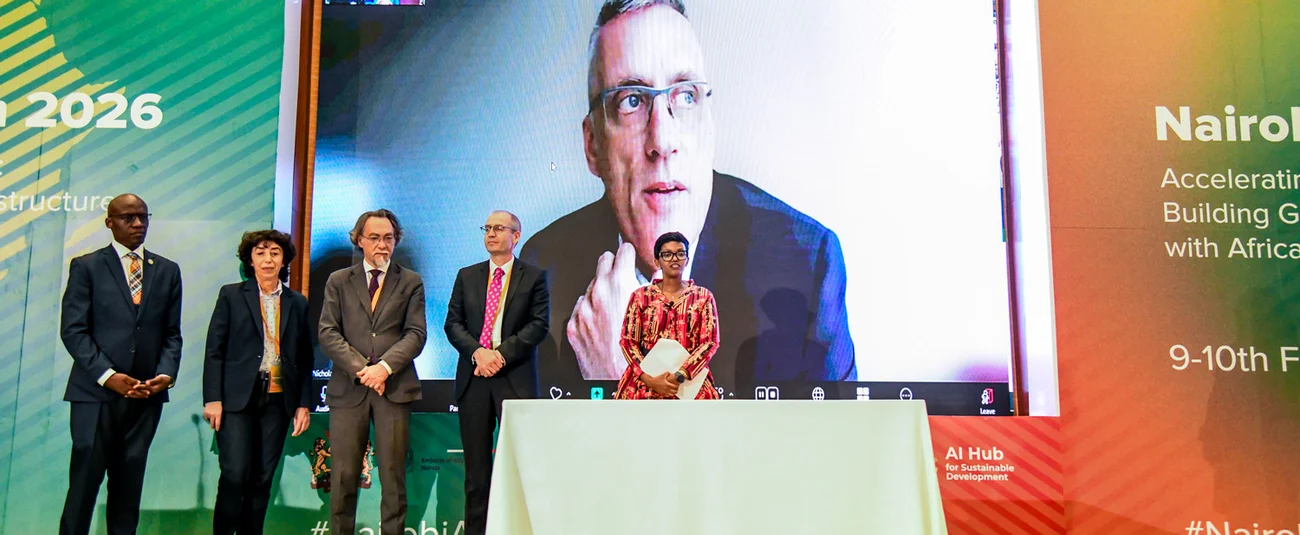
The initiative was launched during the Nairobi AI Forum in Kenya in February 2026, bringing together development partners, government representatives, technology companies and other stakeholders to discuss practical ways of expanding AI adoption across Africa.
The programme was developed around the need to connect investment with the foundations required for sustainable digital growth, including infrastructure, data, skills, responsible governance and access to capital.
Its latest implementation push also builds on the Africa Accelerator for Digital Public Infrastructure initiative, which seeks to strengthen the digital systems that support public services and economic activity.
For Nigeria and other African economies, the programme presents an opportunity to explore how AI can support agriculture, financial services, education, healthcare and small businesses. The real test, however, will be whether the promised investment translates into accessible technology, stronger local innovation and decent jobs.
As implementation progresses, the initiative’s success will depend not simply on the amount of money mobilised, but on how effectively participating countries turn that funding into solutions that improve people’s lives.