The United States has announced plans for the suspension of South Africa and Rwanda from the African Growth and Opportunity Act (AGOA), a duty-free trade program for sub-Saharan African nations, effective January 1, 2027.
U.S. Trade Representative Jamieson Greer confirmed the decision in a statement issued Monday.
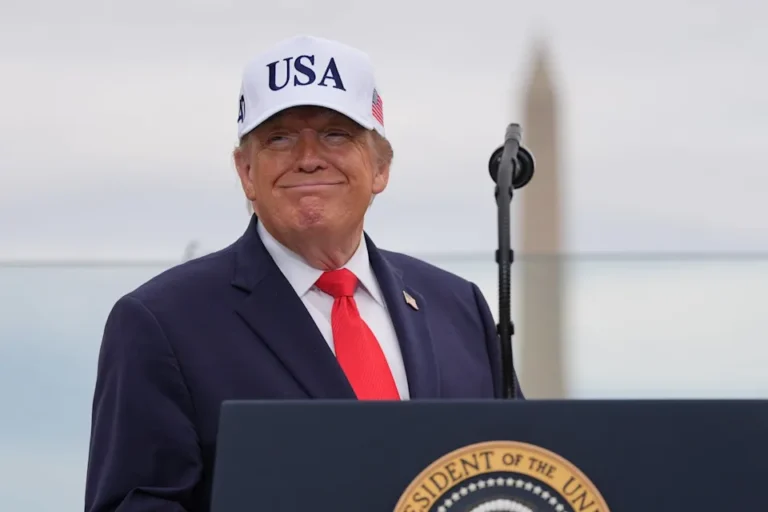
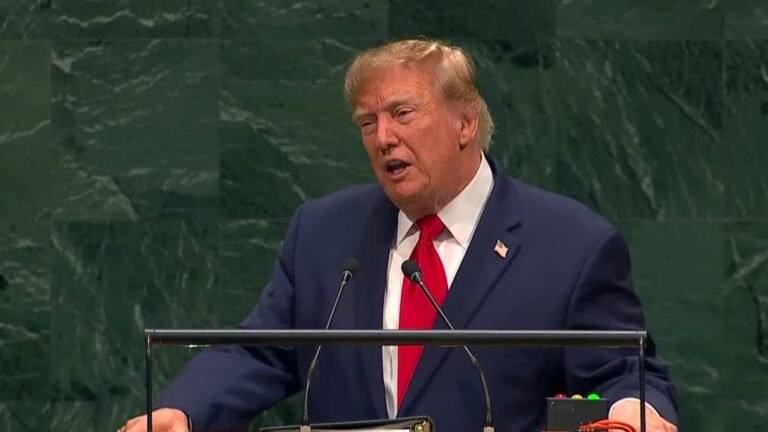
According to Greer, President Donald Trump determined that the actions of both governments violate the statutory eligibility requirements of the trade program.
The Trade Representative cited concerns regarding human rights, corruption, barriers to U.S. trade and investment, and threats to U.S. national security and foreign policy interests.
“President Trump found that the governments of Rwanda and South Africa are engaging in practices that are inconsistent with AGOA’s eligibility criteria,” Greer said.
Enacted in 2000, AGOA provides eligible sub-Saharan African nations with duty-free trade access to the United States market for thousands of products.
South Africa stood as the largest beneficiary of the trade preference program, exporting $1.7 billion worth of goods—primarily wine, citrus fruits, and automotive parts—to the United States under AGOA in 2025. Meanwhile, Rwanda’s primary exports under the arrangement include coffee and minerals.
Rwanda to face seperate trade restrictions
Washington also cited concerns regarding the rule of law and human rights conditions in Rwanda.
The decision to suspend Rwanda stems from heightened tensions over ongoing military conflict in the eastern Democratic Republic of the Congo, where the United States accuses Kigali of backing rebel forces.
In response, the U.S. has imposed sanctions on several Rwandan entities and individuals, targeting military figures and a gold refining facility.
The move marks a further restriction of trade privileges for Kigali, which has faced a partial AGOA suspension since 2018 after Washington restricted Rwandan apparel exports over import tariffs it categorized as trade barriers.
The complete suspension is scheduled to take effect on January 1, 2027.
US cites trade and human rights concern
The proposed suspension comes amid escalating diplomatic tensions between Pretoria and Washington.
The South African government has rejected allegations from the Trump administration accusing Pretoria of marginalizing white South Africans.
The White House has also criticized South Africa’s foreign policy positions, particularly its genocide case against Israel at the International Court of Justice—an accusation Israel denies.
U.S. Ambassador to South Africa Leo Brent Bozell III stated that the country’s exclusion from the trade program followed the government’s failure to address Washington’s raised concerns.
In response, South Africa’s Ministry of Commerce stated that while it has prepared for an adverse outcome from the eligibility review, it remains open to further engagement with the United States.
The ministry further reported that AGOA-qualifying items accounted for approximately 10% of South Africa’s total exports to the United States and 1% of its global exports.
Addressing the potential loss of trade preferences, President Cyril Ramaphosa stated that the nation is actively pursuing new export markets and trade agreements with international partners, particularly China.