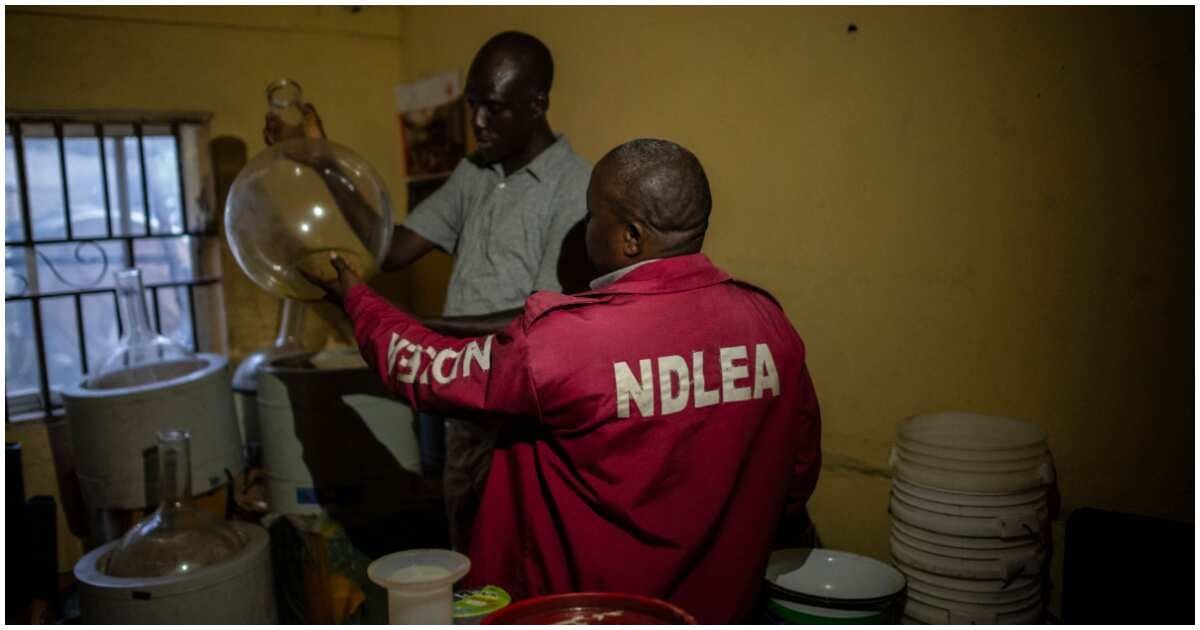

International law enforcement collaboration achieved a major milestone as the NDLEA Australian police drug trafficking alliance formally established a joint operational security framework to dismantle global narcotics cartels operating between both continents.
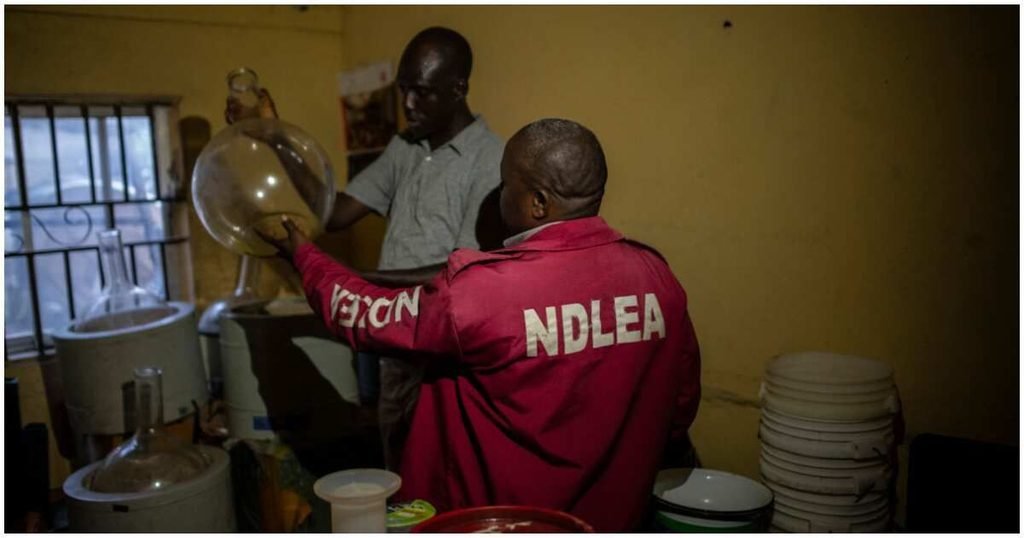
According to official security statements issued on Monday, November 2, 2026, at the NDLEA National Headquarters in Abuja, the National Drug Law Enforcement Agency signed a comprehensive Memorandum of Understanding with the Australian Federal Police (AFP). Furthermore, agency leaders confirmed that the agreement establishes formal protocols for real-time intelligence sharing, joint operations, capacity building, and controlled deliveries. Consequently, this bilateral security framework aims to block illicit cocaine and methamphetamine smuggling channels connecting African transit routes to Australian consumer markets.
Backstory: Disrupting Global Supply Chains and Tactical Criminal Networks
To understand why building a joint security partnership with Australian authorities remains vital, we must examine how transnational drug cartels exploit international trade corridors. For years, criminal syndicates used West African transit points to ship high-value narcotics to Pacific destination markets where illicit street prices remain exceptionally high.
Historically, local anti-narcotics agencies had limited cross-border tracking capabilities, allowing sophisticated syndicates to shift tactics across borders. Guided by NDLEA Chairman Brig. Gen. Mohamed Buba Marwa (Rtd) alongside AFP Senior Officer Sandra Booth and Australian High Commissioner Leilani Bin-Juda, both law enforcement bodies organized a united operational front. Before signing this formal pact, Nigerian narcotics officers intercepted 184.5 kilograms of export-bound cocaine and dismantled four clandestine methamphetamine laboratories embedded with foreign cartel specialists. Therefore, establishing direct operational links ensures intelligence flows seamlessly, shutting down criminal supply chains before shipments reach destination ports.
- Operational Scope: The partnership integrates real-time intelligence exchanges, joint interdiction exercises, and strategic controlled deliveries across international borders.
- Enforcement Track Record: Nigerian drug enforcement officers previously seized 184.5 kilograms of cocaine intended for export while dismantling four industrial meth labs.
- Cartel Disruption: Joint intelligence initiatives previously helped dismantle major international syndicates operating across Switzerland, France, Greece, and North America.
Strengthening Global Security Co-operation and Maritime Interdiction
As security agencies adapt to evolving cartel tactics, expanding inter-agency operational alliances remains essential for long-term border security.
“Working closely across international borders enables law enforcement agencies to pool operational resources, target criminal financial networks, and shut down global drug routes,” stated counter-narcotics security analysts reviewing the Abuja agreement.
In summary, tracking how the NDLEA Australian police drug trafficking alliance develops highlights a clear commitment to disrupting international narcotics networks. Enforcing tighter intelligence collaboration will protect local communities and strengthen global security frameworks.
References & Citations
- National Drug Law Enforcement Agency (NDLEA) Official Release / Nairametrics (Nov 3, 2026): NDLEA, Australian police target cocaine, meth trafficking on Nigeria–Australia route, Abuja.
- Vanguard Newspaper Anti-Narcotics Coverage (Nov 2, 2026): NDLEA, Australian police sign pact against drug cartels, Abuja.