
Public secondary school students in South-West Nigeria have presented digital projects for commerce, agriculture and language access. The challenge now is turning classroom applications into products people can trust and use.
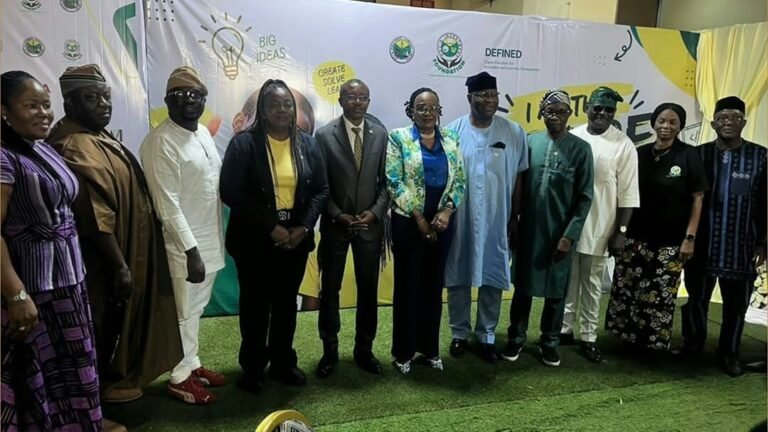
The second Byte Busters Showcase in Ibadan featured an AI-powered marketplace for traders, Tomato AI, a Yoruba-English translation tool and applications addressing maize post-harvest losses. Other demonstrations covered emergency response, sign-language accessibility and computer-based testing for secondary school students. It was held at the University of Ibadan under Odu’a Investment Foundation’s DEFINED initiative.
From coding lessons to local needs
The projects suggest that pupils are being encouraged to apply technology to problems in their communities, not simply learn coding as an abstract skill.
An AI marketplace could help traders display goods and reach customers. A useful service must also verify sellers, protect payments, organise delivery and handle complaints. Reports do not establish whether the application is publicly available or tested in real transactions.
The Yoruba-English tool addresses the limited visibility of indigenous languages online. Translation depends on context, idiom and regional usage, not just word substitution. Fluent-speaker testing and accuracy checks will be essential. Details about its technology and performance have not been released.
Also Read: NITDA Software Testing Rules Face Calls For Risk-Based Enforcement
Agriculture projects need field evidence
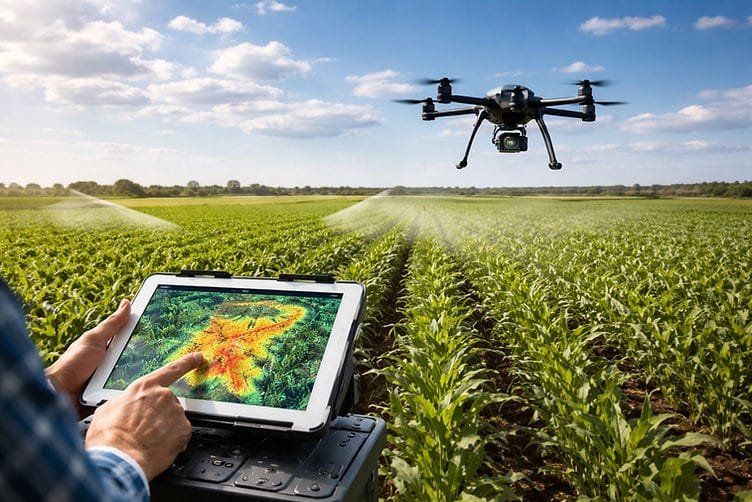
Tomato AI and the maize-loss projects address food production and preservation. Their relevance is underscored by a September 2026 update from the UN Food and Agriculture Organization, which reported dry spells affecting parts of Oyo, Kwara, Osun, Ekiti and Ondo, with localised crop shortfalls expected. cb.apps.fao.org
The report does not describe the students’ tools, and there is no published evidence that they have been tested on farms or reduced losses. Farmers and agricultural specialists should help assess whether the applications solve practical problems, work in local conditions and provide advice users can act on.
Back Story: Building digital skills across the region
Byte Busters is part of Odu’a Investment Foundation’s DEFINED project, which introduces public secondary school pupils to coding, artificial intelligence and digital problem-solving. It has reportedly expanded from nine centres and about 100 pupils at its 2025 showcase to 20 centres across 18 local government areas in all six South-West states. The foundation says it has reached more than 4,500 learners.
The programme aligns with Nigeria’s wider push to develop technical talent. The Federal Government’s 3 Million Technical Talent initiative includes software development and AI or machine learning among its priority skills. Odu’a’s teacher-training programme enrolled 72 teachers in its first cohort, 67 of whom completed training. Its target is 3,000 teachers by the end of 2026.
The real test comes after the showcase
Teams will need computers, connectivity, mentors and users willing to test their products. Partnerships with traders, farmers, schools and Yoruba-language specialists could identify weaknesses and guide improvements.
The showcase is evidence of young learners applying digital skills to community challenges, not proof that the applications are market-ready. Their value will depend on reliability, adoption and measurable benefits. Continued funding and practical testing will determine whether these ideas become tools people can depend on.