
Fifteen major environmental, conservation and development groups told Reuters they use AI in some form, despite concerns about data-centre electricity, water use and emissions. For African conservation work, the question is whether the gains can be achieved over the long term without shifting costs onto communities and ecosystems. Reuters
Turning observations into conservation evidence
In Gabon’s Congo Basin, The Nature Conservancy combined camera traps and acoustic recorders to study biodiversity in a community forest, a protected area and a logging concession. AI processed 3,500 hours of audio and 81,000 camera-trap days in two weeks. This enabled comparisons across the three sites at a scale difficult to review manually. The organisation reported similar bird biodiversity in the logging concession and protected area, while saying further research is needed.
In Côte d’Ivoire, a GIZ-supported project is developing machine-learning tools to analyse drone images around Comoé National Park. The system is intended to monitor elephants, hippopotamuses, crocodiles and other large mammals. Local institutions are also being trained to use the tools, supporting African ownership of conservation technology.
Also Read: OpenAI Changes Data Centre Strategy as Community Opposition Grows
The hidden footprint of AI
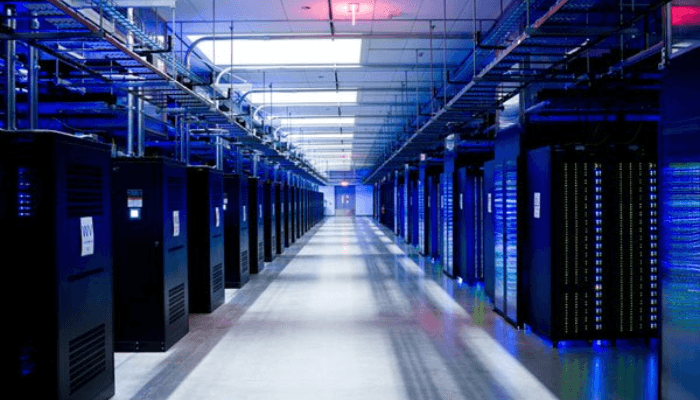
AI relies on computing infrastructure. The International Energy Agency estimates global data-centre electricity use will rise from 485 terawatt-hours in 2025 to 950 terawatt-hours in 2030, approaching three per cent of global electricity demand. Use by AI-focused data centres is projected to triple.
Water use depends on electricity generation as well as cooling systems. A Carnegie Mellon University Africa study modelled data-centre water efficiency across 41 African countries and estimated selected AI workloads in 11. It found significant differences linked to climate, energy sources and water stress. The authors caution that task-level estimates use information available in 2024 and are not current measurements. The study also flags Nigeria and South Africa for attention because modelled water use per AI inference was comparatively high among countries with larger data-centre populations.
Why Nigeria should pay attention
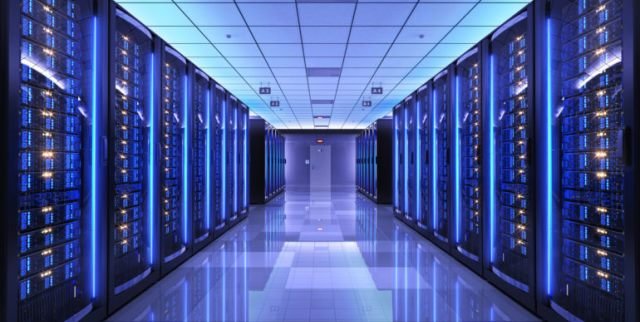
Nigeria’s National Digital Cloud Policy, unveiled in August 2026, aims to attract investment in cloud and data-centre infrastructure, including AI capacity. Separately, the US Trade and Development Agency is funding a feasibility study for proposed AI-ready facilities in Lagos and Delta states. These remain proposals, not operating facilities.
The question is how Nigeria can attract digital investment while accounting for electricity reliability, water availability and nearby communities. Conservation groups should ask technology providers where data is processed, what powers the servers and whether less resource-intensive tools can do the job.
Back Story
AI’s environmental impact is increasingly determined far from the places where it is used. Although efficiency per task has improved, the IEA says rapid adoption and more demanding applications can still increase total electricity demand.
Conservation organisations can avoid unnecessary computing by using smaller models for simple tasks, processing data closer to collection, reusing results and disclosing digital practices. Governments can require new data centres to report energy and water use and assess local impacts before approval. AI can improve conservation evidence, but responsible infrastructure will determine whether its wider environmental balance is positive.
Also Read: South-West Nigerian Youths Develop AI Marketplace, Farming Apps and Yoruba Translation Tools