
When calls fail but airtime is deducted, subscribers face a practical problem: proving that the network, not normal usage, caused the charge. The Senate’s probe could test whether existing consumer protections offer an effective remedy.
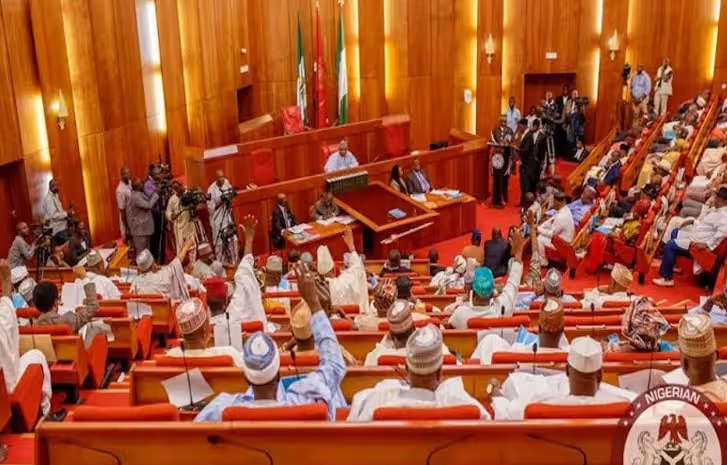
On November 11, 2026, senators adopted a motion sponsored by Chief Whip Mohammed Tahir Monguno (Borno North). The Senate Committee on Communications must invite the NCC and MTN, Airtel, Globacom and T2 to examine deductions linked to failed or interrupted calls, assess subscribers’ losses and report within four weeks. NALTF+1
The probe is about billing, not only network coverage
The motion asks the NCC to examine operators’ billing practices, establish an accessible, time-bound complaints process and require automatic reversals for verifiably failed calls and qualifying network interruptions. It also calls for independent billing-system audits, stronger enforcement of quality-of-service standards and sanctions for persistent failures. NALTF
Senate President Godswill Akpabio said the Senate could summon the communications minister, the NCC’s executive vice-chairman and operators if the regulator failed to provide satisfactory answers. The summons is a possible next step, not one already issued. Premium Times Nigeria
The issue has added weight since January 2025, when the NCC approved tariff adjustments of up to 50 per cent, saying they would support investment and service improvements. NCC
Also Read: Airtel Begins Second Airtime Compensation for Poor Network Service in Nigeria

An existing compensation scheme leaves a separate question
The NCC’s compensation framework, effective April 2026, requires operators to compensate subscribers in local government areas where prolonged or repeated poor service breaches quality-of-service indicators. It covers voice, data and SMS. Eligible users are identified automatically and receive airtime credits. NCC
But the scheme responds to measured network performance in an affected area, not every individual call. The NCC says short, isolated interruptions may not qualify. The Senate’s probe could clarify how call-level refunds should work alongside area-based compensation and how operators verify that a charged call was delivered. NCC
The figures show activity, not that every complaint is resolved
In October, NCC Executive Vice-Chairman Aminu Maida said 75 million subscribers had received airtime compensation for poor service in 2026. He separately reported nearly three million refunds for failed airtime and data purchases. These figures do not reveal how many subscribers were charged for dropped or terminated voice calls. TheCable+1
The committee should disclose the value and number of disputed call deductions, how failures are verified, how many complaints are refunded and how many remain unresolved. That evidence would let consumers assess whether remedies work and compare operators.
Back Story: Consumer rights already have a legal basis
The Nigerian Communications Act 2003 requires providers to meet quality standards, deal reasonably with consumers and address complaints. The NCC’s Consumer Code of Practice Regulations 2024 also require transparent billing and accessible complaint channels. NCC+1
Subscribers should first report disputed charges to their operator and keep the complaint number. Unresolved cases can be escalated to the NCC on toll-free 622 or through its consumer portal. NCC Consumer Portal+1
The probe will matter if it turns existing protections into practical remedies for millions of mobile subscribers nationwide. Airtime credits cannot restore a lost business opportunity, delayed transaction or urgent conversation.
Also Read: Massive Tariff Hike: NCC Approves 50% for MTN, Airtel