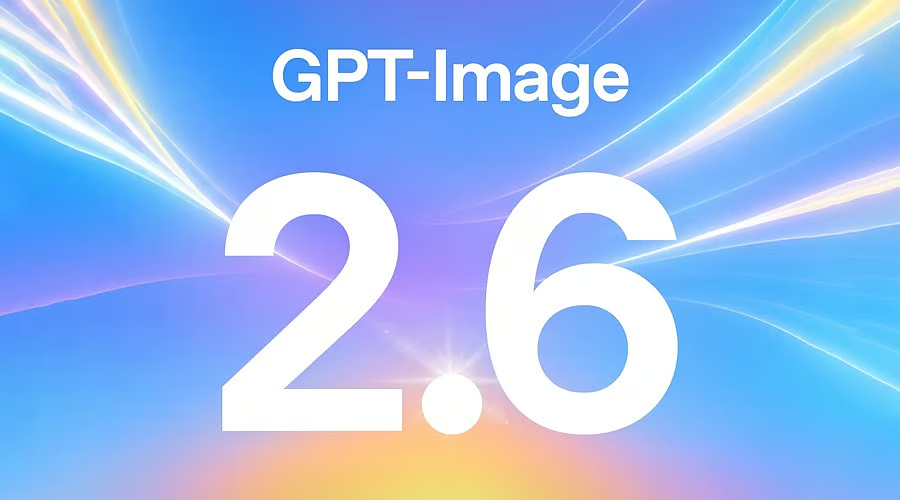

OpenAI has introduced animated GIF generation in ChatGPT, allowing users to turn text prompts and still images into short, looping animations. The capability is part of Images 2.6, announced on November 4, 2026, alongside improvements to image-generation speed and consistency during editing.
The update takes ChatGPT beyond static pictures. It offers creators and businesses another way to produce simple animations, although access to GIF creation is still rolling out.
Create animations from prompts and still images
Users can describe a looping animation or upload a still photograph or illustration and ask ChatGPT to animate it. OpenAI highlights uses such as moving a brand mascot, turning a product image into a loop and creating reaction GIFs for social media.
Users can request changes to a GIF ChatGPT generated, adjust playback speed, and save or share the result. One limitation is important: OpenAI’s Help Centre says ChatGPT cannot edit an animated GIF uploaded from another source. It is not a universal editor for existing GIF files.
Potential value for Nigerian businesses and creators
Nigerian small businesses, online retailers, social media managers and digital publishers could use the feature to test promotional animations, create campaign characters or produce reaction graphics. A retailer, for example, might animate a product image for a social post.
These are potential applications, not evidence that AI animation will replace designers. Generated content still needs human review for product accuracy, readable text, brand consistency and audience suitability. A GIF is not automatically more effective than a photograph or short video.
The immediate opportunity is faster experimentation: creators can explore a visual concept before investing in a more elaborate production. They still need a clear message, a recognisable visual identity and quality control.
Also Read: Chat Smarter! OpenAI Upgrades AI Voice Experience
Developers can integrate GIF generation
OpenAI has also added animated GIF output to its image-generation API. Developers can integrate animation into their own websites, marketing tools or applications instead of directing users to ChatGPT.
The technical documentation allows between two and 16 frames per GIF, with each frame lasting from 20 to 2,000 milliseconds. Developers can request GIF output through image-generation or image-editing endpoints and provide still images as references. These are API settings, not necessarily controls available in ChatGPT.
Rollout, performance and limitations
OpenAI says Images 2.6 is available globally across ChatGPT subscription tiers on web and mobile. However, its Help Centre describes GIF creation as rolling out, so access to animation may vary during deployment. OpenAI also claims Images 2.6 generates images 50 per cent faster than its predecessor. This is the company’s figure, not an independent benchmark.
For Nigerian creators, the update adds another content-production option. Its practical value will depend on access, output quality and responsible use.
Back Story
Before Images 2.6, ChatGPT Images centred on creating and editing still pictures. Announced on November 4, the update added GIF creation and introduced GPT-Image-2.6 Flare and Sunburst for API users. OpenAI says people generate four billion images weekly across ChatGPT, Codex and its API, a company-reported figure.
Also Read: Nigeria Moves to Rethink Copyright Rules as AI Reshapes Creative Industry