Nigeria’s path to achieving the Sustainable Development Goals is becoming increasingly tied to two critical pillars: access to reliable energy and quality education. This was the central message from global energy technology company Schneider Electric, which has intensified its advocacy for inclusive development through strategic investments and partnerships across the country.
At a time when millions of Nigerians still struggle with unstable electricity and limited access to educational resources, stakeholders say bridging these gaps is no longer optional but essential. The convergence of energy access and education, according to experts, holds the key to unlocking economic growth, reducing inequality, and building a sustainable future.
The Sustainable Development Goals, adopted globally in 2015, provide a roadmap for ending poverty, improving education, and tackling climate challenges by 2030. For Nigeria, however, progress has been uneven, particularly in sectors that rely heavily on infrastructure and human capital development.
Table of Contents
Energy Access as a Foundation for Learning and Growth
Schneider Electric has repeatedly emphasised that access to electricity is not just about powering homes but about enabling opportunity. In many parts of Nigeria, especially rural communities, the absence of stable electricity continues to limit access to digital tools, modern classrooms, and innovative learning methods.
According to the company, electricity plays a transformative role in education by powering devices, supporting internet connectivity, and creating environments where students can learn effectively. Without it, the gap between urban and rural education continues to widen.
Energy access also influences broader socio-economic outcomes. It supports small businesses, improves healthcare delivery, and enhances productivity across sectors. Where electricity is unreliable, schools struggle to function optimally, and students are often left behind in an increasingly digital world.
For Nigeria, where millions of young people are entering the labour market each year, this challenge has far-reaching implications. A lack of energy infrastructure not only affects education but also limits the country’s ability to compete globally in technology and innovation.
Schneider Electric’s position is clear: improving access to energy is a prerequisite for improving access to knowledge.
Education as a Catalyst for Sustainable Development
While energy provides the foundation, education drives the transformation. Schneider Electric has placed strong emphasis on technical education and skills development as a way to empower young Nigerians and prepare them for emerging opportunities in the energy sector.
The company has partnered with several institutions across the country, helping to train thousands of students in energy management, automation, and related technical fields. These initiatives are designed to bridge the gap between classroom learning and real-world application, a challenge that has long affected Nigeria’s education system.
Experts say this approach aligns closely with the goals of sustainable development, particularly those focused on quality education and decent work. By equipping young people with practical skills, such programmes not only improve employability but also foster innovation and entrepreneurship.
There is also a growing recognition that education must evolve alongside technological change. Traditional learning models are no longer sufficient in a world driven by digital transformation and clean energy solutions. As a result, investments in education must go beyond infrastructure to include curriculum development, teacher training, and access to modern tools.
Schneider Electric’s interventions suggest that private sector involvement can play a significant role in accelerating these changes, especially in countries where public resources are stretched.
Community Impact and Localised Solutions
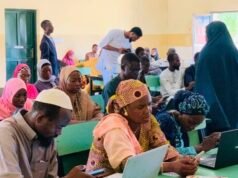
One of the most notable examples of Schneider Electric’s approach in Nigeria is its intervention in Bonny Island, Rivers State. There, the company established a multimodal education centre at the Federal Polytechnic of Oil and Gas, aimed at addressing key challenges faced by students in the community.
The facility provides access to examination services, digital resources, and a reliable power supply, significantly reducing the need for students to travel long distances for academic activities. For many families, this has translated into lower costs, improved safety, and greater access to opportunities.
Community leaders have described the initiative as transformative, noting that it removes barriers that previously discouraged students from pursuing further education. By bringing essential services closer to the people, the project demonstrates how targeted interventions can deliver immediate and meaningful impact.
Beyond infrastructure, the centre also supports skills development and fosters partnerships with educational bodies. This creates a more enabling environment for learning and innovation, while also strengthening the local economy.
Such community-driven solutions highlight the importance of context in development efforts. What works in urban centres may not be effective in rural or coastal communities. As a result, tailored approaches that reflect local realities are essential for achieving sustainable outcomes.
The Road Ahead for Nigeria’s SDGs
As Nigeria continues its journey towards the 2030 deadline for the Sustainable Development Goals, the role of collaboration cannot be overstated. Government, private sector players, and civil society organisations all have a part to play in addressing the country’s development challenges.
Schneider Electric’s initiatives underscore the importance of integrated solutions that combine energy access with education and skills development. Rather than treating these issues in isolation, the company advocates for a holistic approach that recognises their interdependence.
There are encouraging signs of progress. Increased investment in renewable energy, growing interest in digital education, and stronger partnerships between industry and academia all point to a shift in the right direction. However, significant gaps remain, particularly in underserved communities.
For Nigeria to achieve its SDG targets, experts say there must be sustained commitment to infrastructure development, policy reforms, and inclusive growth strategies. This includes expanding access to electricity, improving the quality of education, and creating opportunities for young people to thrive.
Ultimately, the message is simple but powerful: without energy, education cannot flourish, and without education, sustainable development remains out of reach.
As stakeholders continue to push for progress, the intersection of these two sectors will likely define Nigeria’s development trajectory in the years ahead.
Join Our Social Media Channels:
WhatsApp: NaijaEyes
Facebook: NaijaEyes
Twitter: NaijaEyes
Instagram: NaijaEyes
TikTok: NaijaEyes