
In a major development in the African financial landscape, the African Export-Import Bank announced on Friday that it has formally ended its credit rating relationship with global agency Fitch Ratings. This decision stems from a thorough internal review and represents a significant move by the multilateral bank to reshape how its performance and institutional framework are publicly evaluated. The bank said the Fitch rating no longer captures the unique nature of its Establishment Agreement, mission, and mandate and stressed that its underlying financial strength and shareholder support remain solid.
Table of Contents
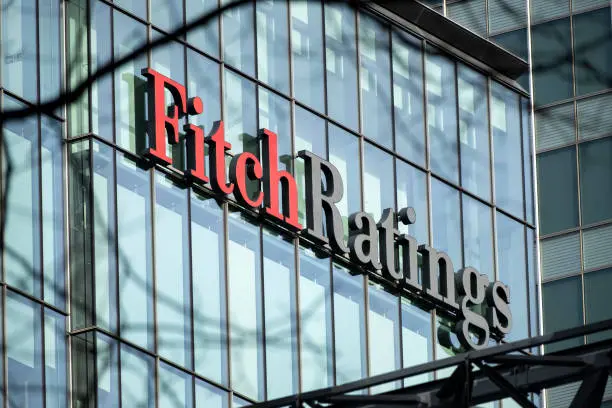
Why Afreximbank Took This Step
Afreximbank said it conducted a comprehensive review of its engagement with Fitch Ratings and concluded that the credit rating process no longer delivers an accurate or fair reflection of the bank’s legal foundation and strategic role. According to the bank’s statement, Fitch’s assessment framework fails to align with the nuances of the bank’s Establishment Agreement and its broad developmental objectives across the continent. The statement emphasised that this decision was about ensuring future ratings better match the bank’s institutional structure and obligations to its member states.
The Establishment Agreement of Afreximbank, which has been signed and ratified by all its member states, offers special legal protections and shareholder support that differentiate this bank from commercial or private sector institutions typically rated by global agencies. Afreximbank leaders believe those unique characteristics must be factored in when determining creditworthiness, and they expressed concerns that conventional rating models overlook these critical aspects.
What This Means for Afreximbank’s Profile
Despite ending its relationship with Fitch, the bank was quick to reassure stakeholders that its financial position and business fundamentals remain strong. Afreximbank highlighted its robust shareholder backing, legal protections rooted in its founding treaty, and continuing role in financing trade across Africa. The bank is vital in supporting intra-African trade, industrial expansion, and economic development across the continent, particularly in an era where global financing can be limited.
Before the termination, Fitch had downgraded Afreximbank’s credit rating in 2025, a move that drew criticism within parts of the African financial community. The downgrade lowered the long-term rating from ‘BBB’ to ‘BBB-’ and introduced a negative outlook, citing concerns about rising credit risks and non-performing loans. Critics, including the African Peer Review Mechanism of the African Union, called this classification flawed, arguing that it misinterpreted sovereign exposures and failed to appreciate the bank’s legal protections and institutional support.
Despite ending its relationship with Fitch, Afreximbank continues to hold investment-grade ratings with other rating agencies. These include an ‘A’ rating on the international scale by Global Credit Ratings (GCR), a ‘Baa2’ rating from Moody’s, and top marks from other international agencies such as China Chengxin and the Japan Credit Rating Agency. The bank’s total assets and contingencies stood at more than US$40 billion by the end of 2024, while its shareholder funds were valued at over US$7 billion.

Reactions and Broader Implications
The move by Afreximbank comes at a time when the role and influence of global credit rating agencies are under scrutiny, especially in relation to African institutions and economies. Many analysts and stakeholders have suggested that widely used rating models do not always reflect the operational realities and legal frameworks of multilateral development banks or sovereign institutions in Africa. This has fuelled calls for alternative or regionally grounded rating methodologies that incorporate local contexts and treaty-based protections.
Financial experts note that Afreximbank’s decision could trigger broader discussions within the African financial ecosystem. It raises questions about how global ratings are applied to banks and institutions that do not fit conventional commercial models. Some believe this might push for new standards or specialised rating frameworks that better reflect the mandates of development-focused institutions.
Though the bank has not revealed whether it plans to engage with another rating agency in the future, it reaffirmed its commitment to operational transparency and financial stability. Analysts say that maintaining credible rating assessments is still important for investor confidence and access to international capital markets, but these assessments must be rooted in a solid understanding of an institution’s mandate and legal underpinnings.
What the Future Holds
Moving forward, Afreximbank faces both challenges and opportunities. On one hand, stepping away from Fitch Ratings could affect how some investors perceive its creditworthiness in the short term. On the other hand, the bank’s strong capital base, institutional support, and strategic importance in driving intra-African trade position it well to continue playing a central role in Africa’s economic development.
Afreximbank has been a cornerstone of Africa’s financial infrastructure for more than three decades, promoting trade financing and economic integration across the continent. It has launched initiatives such as the Pan-African Payment and Settlement System (PAPSS) to facilitate cross-border trade and support the African Continental Free Trade Area (AfCFTA). Its work has been widely recognised as pivotal in helping African nations scale industrialisation and connect local economies to global markets.
In the wake of this latest decision, the bank will likely engage financial communities, investors, and regulators to communicate its position clearly and demonstrate its long-term vision. Whether this leads to an engagement with a new rating partner or the development of a tailored rating framework remains to be seen. What is clear is that Afreximbank’s choice reflects its determination to ensure that external evaluations accurately reflect its role and mandate in Africa’s financial landscape.
In summary, Afreximbank’s termination of its credit rating relationship with Fitch highlights enduring tensions between global financial evaluation methods and the unique institutional realities of Africa’s development banks. The move will undoubtedly shape conversations on how such institutions are assessed and how best to balance global standards with regional mandates.
Join Our Social Media Channels:
WhatsApp: NaijaEyes
Facebook: NaijaEyes
Twitter: NaijaEyes
Instagram: NaijaEyes
TikTok: NaijaEyes