From the heart of Ijebu to the corridors of Harvard University, the story of Dr Olakunle Jaiyesimi is rich in experience and purpose. A Nigerian scientist educated at Obafemi Awolowo University and now a post‑doctoral fellow in the Extavour Lab at Harvard, he stands at the frontier of two cutting‑edge fields: Artificial Intelligence and metabolomics. He is driven by one clear conviction. Nigeria’s and Africa’s future will be shaped by equipping its young citizens with advanced knowledge and practical exposure to these technologies. This is why he has embarked on a mission to bring AI and metabolomics into the daily learning spaces of secondary school pupils across the continent.
Table of Contents
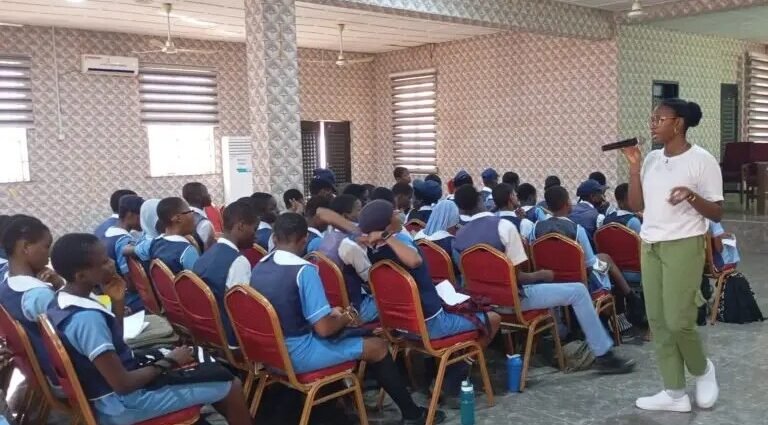
Opening the Door to Tomorrow’s Tools
Artificial Intelligence has become one of the most talked-about technologies in the world, but its true educational value lies in its ability to help us understand complex systems, learn at our own pace, and solve real‑world problems. Metabolomics, a rapidly growing area of science, complements this by offering a lens into how biological processes interact with our environment in real time. While genomics tells us what might happen based on our DNA, metabolomics reveals what is actively happening in our bodies or ecosystems at any given moment. Together, these fields hold the promise of transforming our approach to health, agriculture, and environmental sustainability.
Metabolomics uses advanced analytical techniques to detect and profile the unique chemical signatures that cells and organisms leave behind. With AI playing the role of interpreter, vast and complex datasets can be analysed quickly and meaningfully, uncovering hidden patterns that would otherwise remain invisible to researchers. This fusion of technology and life science is not just a niche interest for university laboratories. It has strong potential to drive solutions to national and continental challenges, such as food security, disease monitoring, and environmental protection.
From Vision to Practice
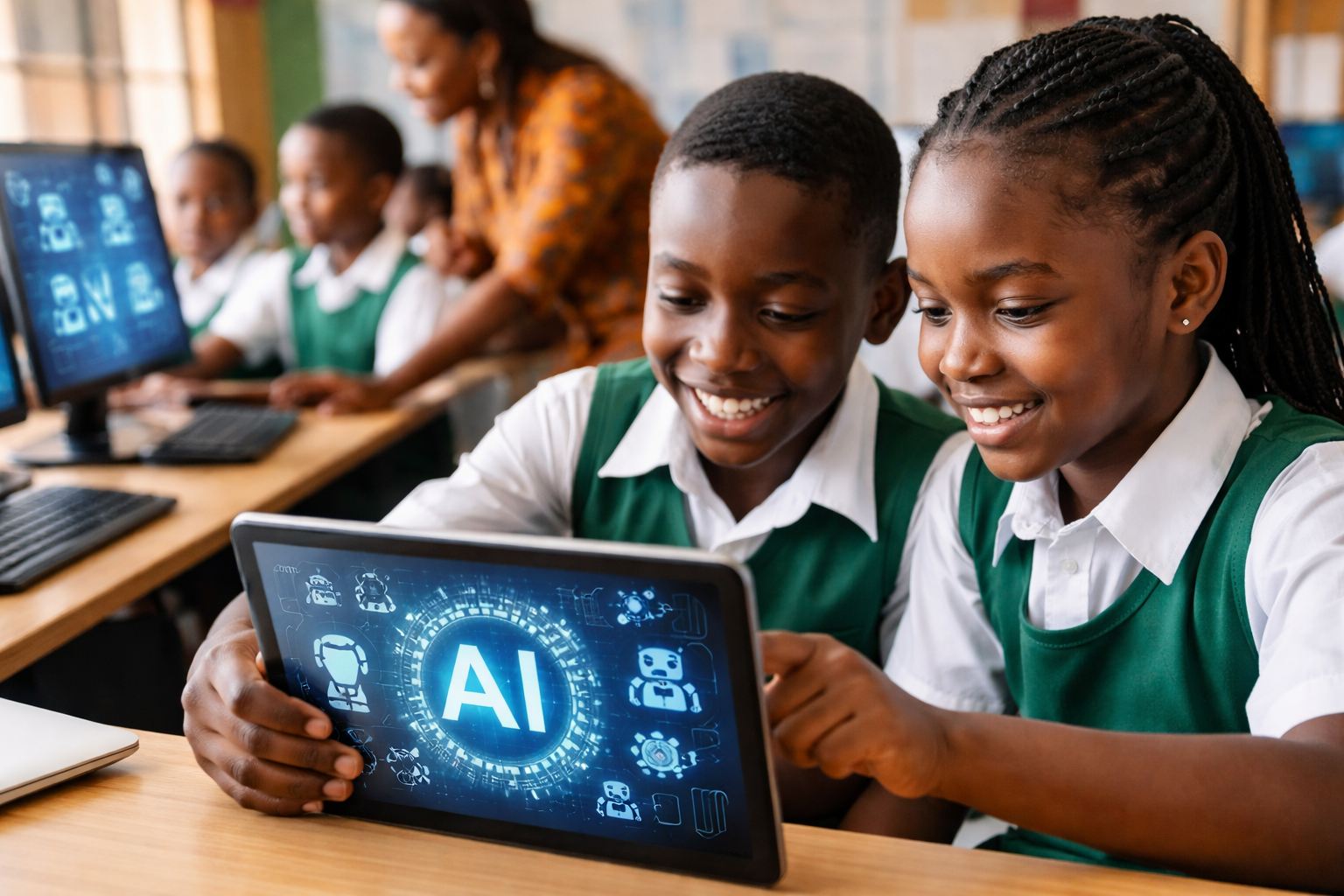
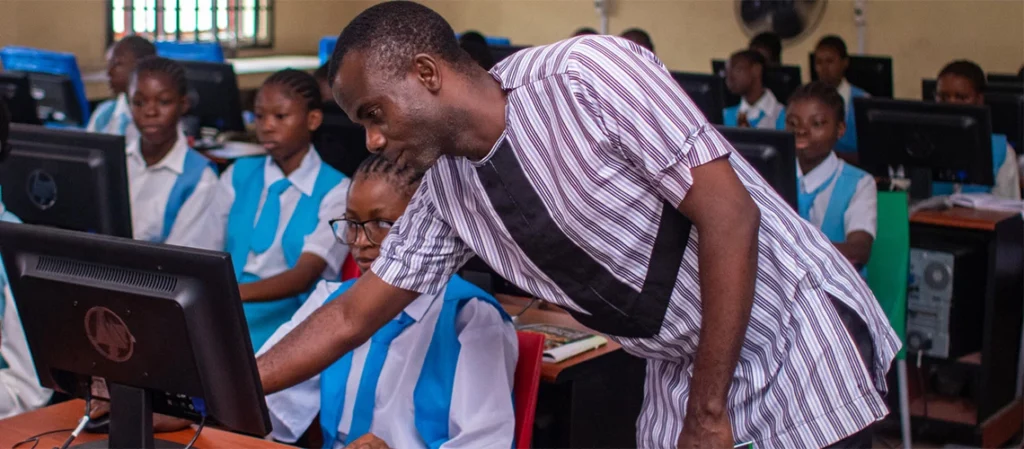
Dr Jaiyesimi is taking his ideas into practice through two initiatives, STEMxAfrica and STEMxClubs. These programmes are designed to introduce secondary school pupils to the fundamentals of AI and metabolomics in ways that are engaging and relevant to their everyday lives. Rather than limiting instruction to theory, students are being given opportunities to understand how data is collected, how algorithms work, and how metabolic processes reflect health and environmental conditions. Workshops, hands‑on projects, and early membership in professional networks give pupils a pathway to grow into future scientists, innovators, and leaders.
The initiative has already begun to expand. Following its launch in Nigeria in September 2025, STEMxAfrica has partnered with organisations such as the Nigerian Teachers Organisation, the National Association of Proprietors of Private Schools, and other educational development bodies. By late 2025, the programme had extended into Ghana and was preparing to enter Tanzania by February 2026. The strategic goal is firmly continental, aiming to replicate the model across all 54 African nations and nurture a generation of young Africans who have early access to high‑end scientific education.
Real Impact on Students and Society
The value of bringing AI and metabolomics into secondary schools extends beyond imparting knowledge—these fields shape how students think and interact with the world. Pupils involved in STEMxAfrica are not only learning about science and technology, but they are also being encouraged to ask questions, identify patterns, and use data to make decisions. This is especially critical in Nigeria, where awareness and utilisation of AI tools among secondary school students remain low in many regions, and where infrastructure and access to technology vary greatly between urban and rural schools.
By exposing students early to these disciplines, educators hope to cultivate competencies that will be essential for future careers in medicine, agriculture, environmental science, and technology. In turn, this builds a workforce that is capable of addressing complex national issues with local solutions. Whether it is using AI to interpret biological data or applying metabolomics to monitor environmental changes, these skills have real potential to contribute to national development goals in health, food security, and sustainable growth.
Conclusion
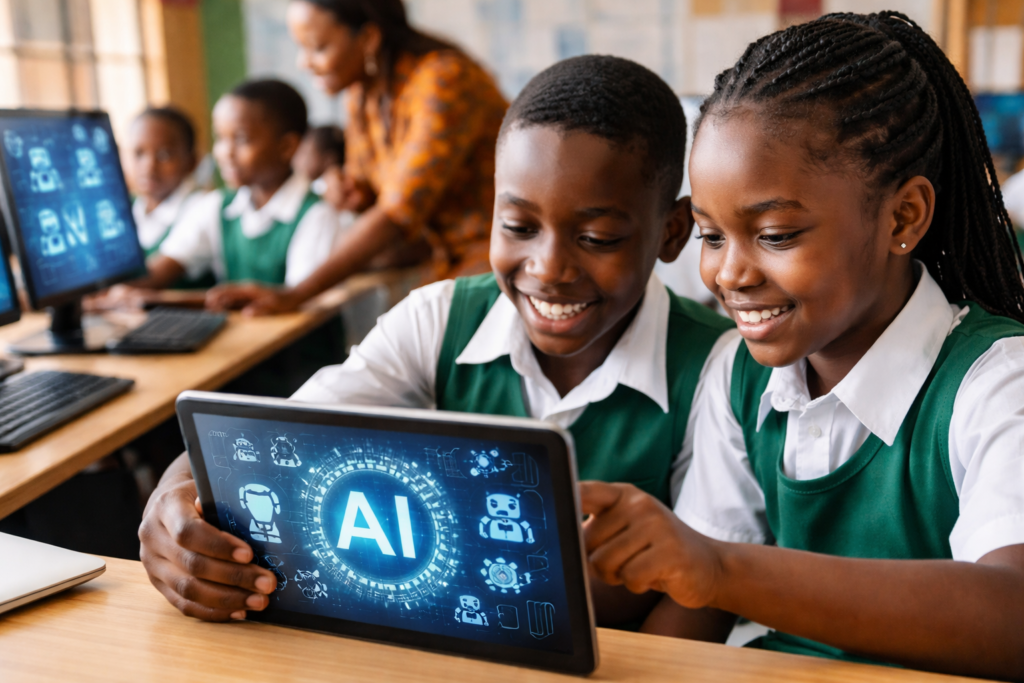
Dr Jaiyesimi’s work exemplifies a new model of education for Africa. It moves beyond traditional classroom boundaries to equip young learners with tools that are shaping the future of science and innovation globally. Through strategic partnerships and a clear vision for scaling, his programmes aim to ensure that Africa’s youth are not passive consumers of technology, but active creators of solutions. As Nigeria and other African countries seek to harness the full potential of AI and life sciences, empowering secondary school pupils with a solid foundation in these subjects could be one of the most transformative investments in human capital the continent has ever made.
Join Our Social Media Channels:
WhatsApp: NaijaEyes
Facebook: NaijaEyes
Twitter: NaijaEyes
Instagram: NaijaEyes
TikTok: NaijaEyes
READ THE LATEST EDUCATION NEWS