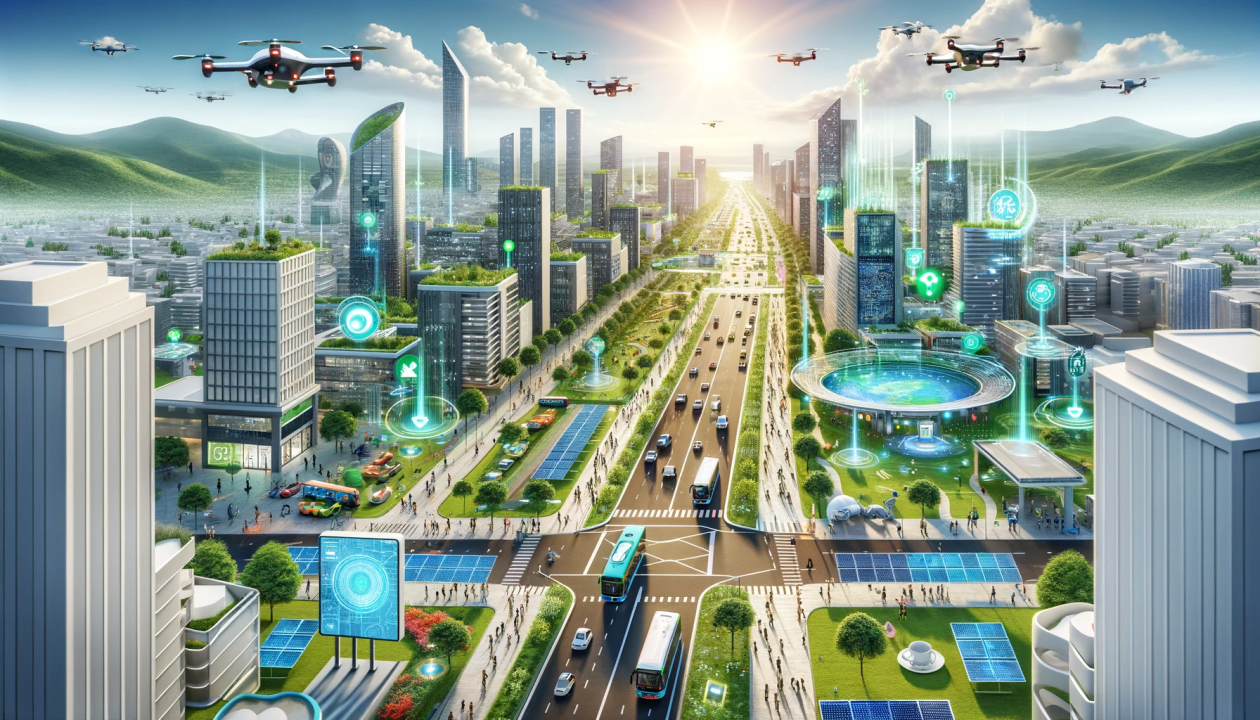
Cities around the world are undergoing one of the most significant technological shifts in modern history. As populations grow and urban challenges become more complex, governments and technology companies are turning to artificial intelligence to reshape how cities function. The concept often referred to as an “AI city” represents the next phase of the smart city movement, where data, intelligent systems, and digital infrastructure work together to improve everyday urban life.
The idea goes beyond installing sensors or offering online public services. An AI-driven city uses intelligent technologies to analyse data, predict urban needs, and support decision-making in real time. From traffic management to energy efficiency and public safety, artificial intelligence is gradually becoming the invisible backbone of modern urban systems.
Across the globe, policymakers, urban planners, and technology developers are now asking a crucial question: how can artificial intelligence transform cities into more efficient, sustainable, and liveable places for citizens?
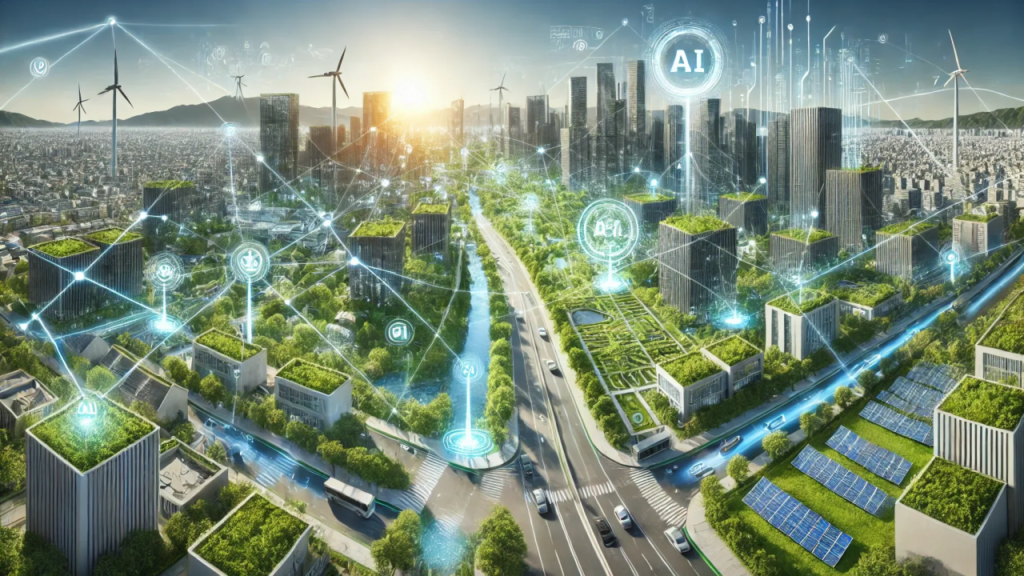
Table of Contents
Understanding the Rise of AI Cities and Smart Urban Areas
To understand the idea of an AI city, it is important to first consider the broader concept of a smart city. A Smart city refers to an urban environment that uses digital technologies and connected systems to manage resources more efficiently and improve public services. These systems gather and analyse data from infrastructure, buildings, transport networks, and citizens themselves.
Artificial intelligence builds on this foundation by introducing advanced analytics and automation into city management. Instead of simply collecting data, AI systems interpret patterns and recommend actions. This capability allows cities to move from reactive management to proactive governance.
For instance, traffic systems powered by AI can monitor road congestion and adjust traffic lights in real time. Waste management systems can predict when bins are likely to be full. Emergency response units can use predictive analytics to deploy resources more efficiently.
The concept is sometimes compared to giving a city a digital brain. Systems analyse vast amounts of information from sensors, cameras, connected devices, and public databases. Using this information, algorithms can identify trends and recommend solutions that city administrators might otherwise miss.
The rapid growth of urban populations makes such intelligent systems increasingly important. Cities today face growing pressure on infrastructure, transport networks, healthcare systems, and environmental resources. Artificial intelligence offers a way to manage these challenges more effectively while improving the quality of life for residents.
How Artificial Intelligence Powers Urban Infrastructure
Artificial intelligence functions as the analytical engine behind modern urban infrastructure. At the heart of an AI city is a network of interconnected technologies, including sensors, cloud platforms, high-speed connectivity, and advanced computing systems.
The first layer is data collection. Sensors embedded in roads, buildings, streetlights, and public utilities constantly gather information. These devices measure traffic flow, energy consumption, environmental conditions, and many other variables.
Once collected, the data is transmitted to digital platforms where AI algorithms analyse it. These systems identify patterns and detect anomalies. For example, they can predict when electricity demand will increase, or recognise unusual traffic congestion before it becomes a serious problem.
Urban mobility is one of the sectors where AI is already having a visible impact. Intelligent traffic systems can monitor vehicle movement and dynamically adjust traffic signals to reduce congestion. In some cities, AI tools also analyse public transport data to improve bus and train scheduling.
Energy systems are another key area. AI helps optimise electricity distribution by predicting demand patterns and adjusting power generation accordingly. This contributes to more efficient energy use and reduces waste across urban networks.
Public safety systems are also evolving through AI integration. Video analytics can assist authorities in monitoring crowded spaces and detecting unusual activity patterns. These tools allow emergency responders to react more quickly and coordinate responses more effectively.
Environmental monitoring is equally important. Artificial intelligence can analyse data from air quality sensors, weather systems, and water management networks to help cities respond to climate challenges. These insights support smarter urban planning and long-term sustainability.
The Human Impact of AI-Driven Cities
While much of the discussion around AI cities focuses on technology, the ultimate goal is to improve the everyday experience of residents. Urban life becomes more efficient when systems respond intelligently to changing conditions.
One major benefit is time savings. Reduced traffic congestion, faster public transport coordination, and smarter logistics systems allow people to move through cities more easily. Businesses also benefit from improved supply chain efficiency and infrastructure reliability.
Healthcare services can also become more responsive. AI-driven data analysis helps hospitals and emergency services predict patient demand and allocate resources accordingly. This improves response times and overall service quality.
Education systems may also benefit from data-driven planning. By analysing demographic trends and infrastructure capacity, authorities can make better decisions about school locations, transportation routes, and resource allocation.
Another advantage is sustainability. Intelligent urban systems can significantly reduce energy waste and carbon emissions. AI helps optimise lighting, heating, and transportation systems, which contributes to more environmentally friendly cities.
Citizen engagement is also becoming more important in the evolution of AI cities. Digital platforms allow residents to report issues, access public services online, and participate in urban planning discussions. This two-way communication strengthens trust between governments and communities.
In developing regions, including parts of Africa, AI-powered urban development could play a transformative role. Projects such as the Aba Commercial Smart City show how technology-driven planning is beginning to shape the future of African cities. The proposed development aims to combine commerce, logistics, and digital infrastructure to modernise one of Nigeria’s most important industrial centres.
Such initiatives highlight how emerging economies are also exploring smart urban development as a pathway to economic growth and innovation.
Challenges, Risks, and the Future of AI Cities
Despite its potential, the transition to AI-driven cities also raises important questions. One of the most widely discussed concerns involves data privacy. Smart city systems rely on large volumes of information collected from public spaces and digital platforms. Without proper safeguards, this data could be misused or create surveillance risks.
Security is another challenge. Because smart infrastructure depends heavily on digital networks, cyber attacks could disrupt essential services such as power, transportation, or emergency communications.
There are also economic considerations. Building the infrastructure required for AI cities can be expensive. Governments must invest in connectivity, cloud computing platforms, sensor networks, and data management systems. For many developing countries, financing these projects requires careful planning and strong public-private partnerships.
Another issue is technological inequality. If not implemented thoughtfully, smart city technologies could deepen social divides. Communities with limited digital access might struggle to benefit from new systems designed primarily for connected populations.
However, experts widely believe that these challenges can be addressed through responsible governance, transparent policies, and inclusive planning.
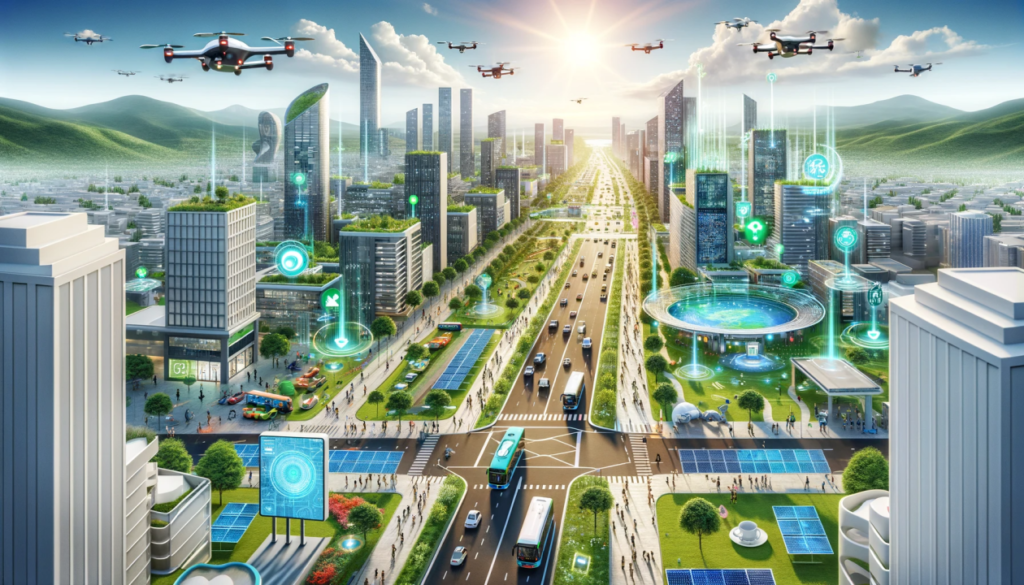
Looking ahead, the role of artificial intelligence in urban management is expected to expand rapidly. Emerging technologies such as digital twins, predictive analytics, and generative AI could allow cities to simulate future scenarios and test policy decisions before implementing them in the real world.
Urban planners may soon rely on AI-driven simulations to determine where new roads should be built, how public transport routes should change, or how neighbourhoods can be designed for better sustainability.
As technology continues to evolve, the AI city may eventually become the standard model for urban development. Cities that successfully integrate intelligent systems will likely gain advantages in economic productivity, environmental sustainability, and overall quality of life.
For countries like Nigeria and other emerging economies, the shift toward smart and AI-enabled cities offers both an opportunity and a challenge. With careful planning, strong governance, and responsible use of technology, the next generation of cities could become more efficient, inclusive, and resilient than ever before.
Join Our Social Media Channels:
WhatsApp: NaijaEyes
Facebook: NaijaEyes
Twitter: NaijaEyes
Instagram: NaijaEyes
TikTok: NaijaEyes