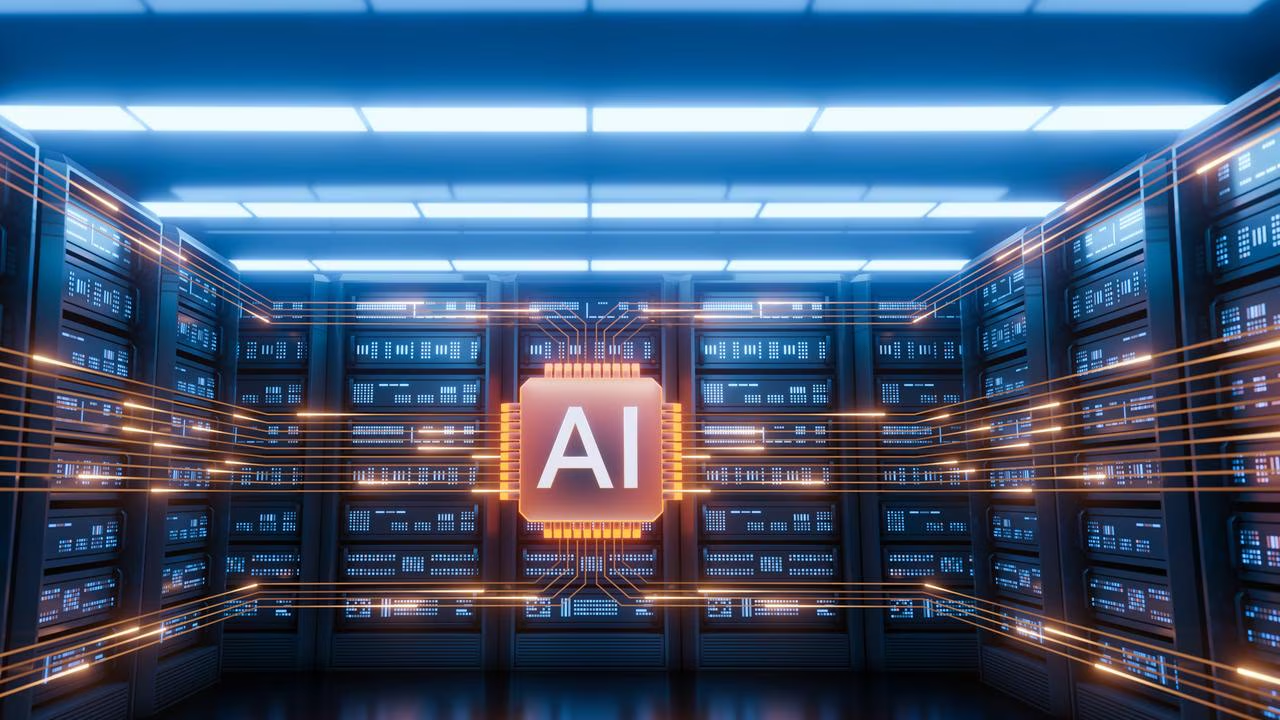
Artificial intelligence is advancing at a breathtaking pace, transforming industries from finance and healthcare to education and governance. Behind the impressive capabilities of AI systems lies a vast digital infrastructure that most people never see. Data centres, the facilities that power AI models and store enormous volumes of information, are becoming one of the most critical pieces of global technology infrastructure. Yet their rapid expansion is also creating a new category of risk tied closely to energy supply, sustainability, and infrastructure resilience.
As organisations race to deploy more advanced AI tools, the scale of computing required to train and operate these systems is rising sharply. The challenge is no longer simply about building better algorithms or faster chips. Increasingly, the discussion has shifted toward how societies will power the infrastructure that AI depends on. The energy demands of modern data centres are growing so quickly that they are beginning to influence power markets, climate policy, and corporate risk management strategies worldwide.
Industry experts now warn that the relationship between artificial intelligence and energy is creating a complex web of operational, environmental, and economic risks. Companies that fail to understand this dynamic may find themselves unprepared for disruptions in energy supply, rising costs, regulatory pressure, or sustainability expectations.
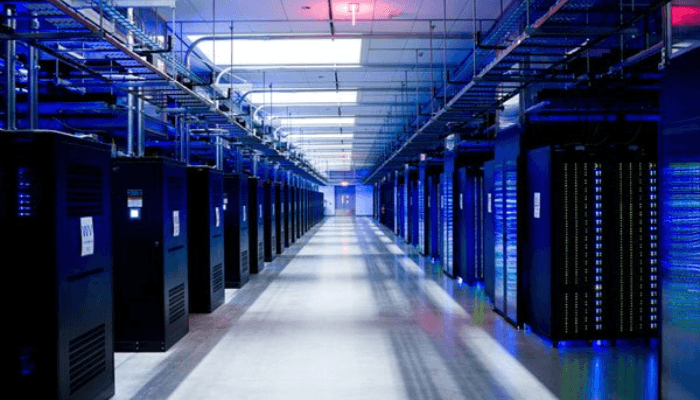
Table of Contents
Why AI Is Driving a Massive Expansion of Data Centres
Artificial intelligence requires enormous computational resources. Training a large AI model involves processing massive datasets using specialised processors such as graphics processing units and AI accelerators. These machines consume substantial electricity and generate intense heat, which requires sophisticated cooling systems to maintain stable operation.
As a result, technology companies are investing billions of dollars in building and expanding data centres around the world. In recent years, the surge in generative AI applications has significantly accelerated this trend. Global investment in AI-focused data centre infrastructure reached hundreds of billions of dollars as companies rushed to scale up computing capacity.
Electricity consumption from data centres is already significant and continues to grow rapidly. In 2024 alone, data centres consumed about 415 terawatt hours of electricity globally, accounting for roughly 1.5 per cent of total electricity demand. By 2030, that figure could climb to around 945 terawatt hours as the use of AI expands across sectors.
To put this into perspective, the projected electricity demand of data centres within the next decade could rival the energy consumption of entire industrialised nations. The growth is driven by both the increasing complexity of AI systems and the growing number of applications that rely on real-time machine learning.
The scale of this infrastructure is staggering. A single large AI data centre can consume as much electricity as tens of thousands of homes. Some of the largest facilities under development may require even more power as companies deploy thousands of high-performance computing chips in a single location.
This expansion has turned data centres into critical components of national infrastructure. They are no longer just back-end technology facilities but essential engines of the digital economy.
The Emerging Energy Risks Behind the AI Boom
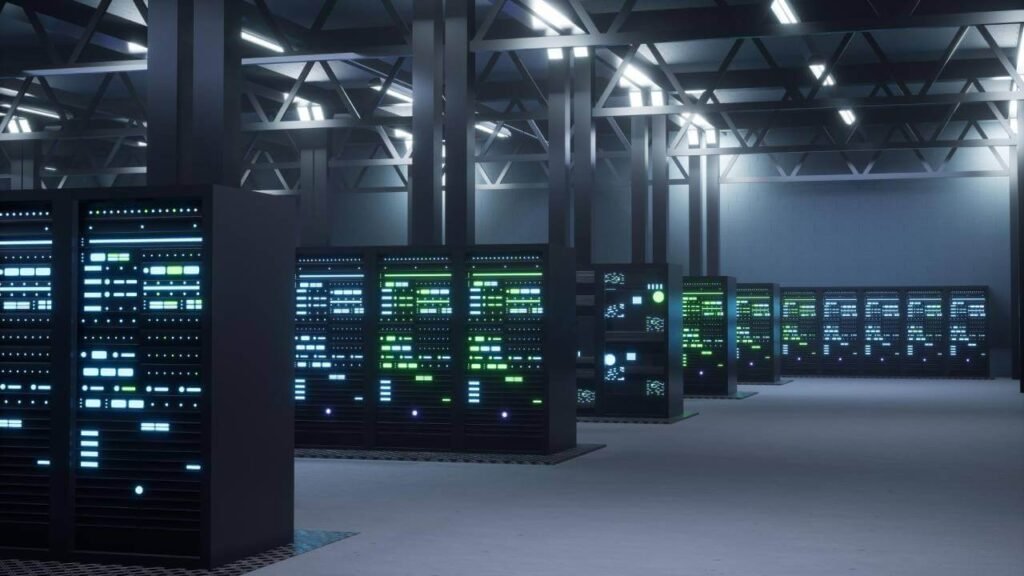
While the growth of artificial intelligence promises economic and technological benefits, it also introduces significant risks linked to energy availability and sustainability. One of the most immediate concerns is the strain that large data centres can place on local electricity grids.
As AI infrastructure grows, electricity demand in certain regions may increase faster than power generation capacity. This can create pressure on grid stability, particularly in areas where energy infrastructure is already stretched. Ensuring a reliable electricity supply has therefore become a central concern for governments, utilities, and technology companies alike.
Energy security is now one of the most critical risk factors for data centre operators. Industry analysts note that the ability to access reliable and continuous power has become a defining challenge for organisations operating large computing facilities.
Another dimension of risk involves the volatility of energy prices. Data centres consume electricity around the clock, which means fluctuations in energy markets can significantly affect operating costs. A sudden increase in fuel prices or disruptions in global energy supply chains can raise the cost of running AI infrastructure, potentially slowing expansion plans or reducing profitability.
Cooling requirements also add another layer of complexity. High-performance processors generate significant heat, and cooling systems require additional energy and water resources. In some regions, this can create competition for local water supplies or increase environmental pressures.
Beyond operational risks, sustainability concerns are also becoming more prominent. As companies face growing pressure to meet climate targets, the carbon footprint of AI infrastructure has become a major issue. Data centres powered by fossil fuels can contribute to greenhouse gas emissions, which raises questions about how the industry can balance innovation with environmental responsibility.
Researchers have already highlighted the environmental implications of large-scale AI infrastructure. Studies indicate that expanding AI data centres could increase carbon emissions, water consumption, and energy demand unless significant improvements are made in efficiency and renewable energy adoption.
How Companies and Governments Are Responding
The growing connection between artificial intelligence and energy demand is forcing both companies and policymakers to rethink how digital infrastructure is built and powered.
Technology firms are increasingly exploring alternative energy strategies to support their expanding data centre networks. Renewable energy projects such as solar and wind farms are being developed alongside new computing facilities in order to secure a long-term power supply while reducing carbon emissions.
In some cases, companies are entering long-term agreements with energy providers to guarantee electricity availability. These power purchase agreements help stabilise costs while supporting investments in renewable generation.
Governments are also beginning to recognise the strategic importance of data centre energy supply. In several countries, policymakers are considering how to expand power infrastructure, modernise electricity grids, and encourage clean energy solutions that can support the AI economy.
Some nations are even exploring the role of nuclear energy in powering large-scale computing facilities. Nuclear power provides stable, low-carbon electricity that can operate continuously, making it attractive for energy-intensive industries such as artificial intelligence.
At the same time, technology developers are working to improve the efficiency of AI systems themselves. Advances in hardware design, cooling technologies, and software optimisation can significantly reduce energy consumption. Efficient algorithms and next-generation processors are already helping to lower the amount of electricity required to perform complex AI tasks.
Industry leaders increasingly recognise that AI strategy is not purely a technology decision. It is also an infrastructure and energy strategy that requires coordination between technology companies, utilities, policymakers, and sustainability experts.
Why the Future of AI Depends on Energy Strategy
The global race to develop artificial intelligence is often framed as a competition for talent, data, and computing power. However, energy may ultimately become one of the most decisive factors shaping the future of the technology.
Countries and companies that can provide reliable, affordable, and sustainable electricity for large-scale computing infrastructure will have a significant advantage in the AI economy. Without a sufficient power supply, even the most advanced AI systems cannot operate effectively.
The relationship between energy and artificial intelligence is, therefore, becoming a strategic issue that extends beyond the technology sector. It affects economic competitiveness, climate policy, and national infrastructure planning.
For businesses adopting AI, understanding these dynamics is increasingly important. Organisations that depend on data-driven operations must consider not only the capabilities of AI tools but also the resilience of the infrastructure that supports them.
As artificial intelligence continues to evolve, the unseen systems powering it will play a crucial role in determining how far the technology can go. Data centres and the energy networks that sustain them may well become the foundation upon which the next era of digital innovation is built.
In this emerging landscape, the future of artificial intelligence will be shaped as much by electricity and infrastructure as by algorithms and data. The companies that recognise this reality early will be better positioned to manage risk, maintain resilience, and lead in the rapidly expanding AI economy.
Join Our Social Media Channels:
WhatsApp: NaijaEyes
Facebook: NaijaEyes
Twitter: NaijaEyes
Instagram: NaijaEyes
TikTok: NaijaEyes