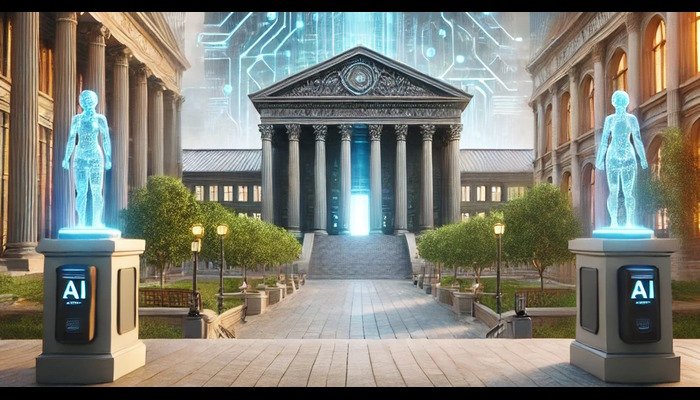
Artificial intelligence is rapidly moving from a futuristic concept to a present reality within higher education, and Nigerian universities are beginning to feel the full weight of this transformation. Across campuses, lecture halls, and research labs, AI is quietly reshaping how knowledge is delivered, how students learn, and how discoveries are made. What was once experimental is now becoming foundational.
Globally, universities are integrating AI into teaching, administration, and research processes at an unprecedented pace. In Nigeria, this shift is gaining momentum, driven by a mix of policy direction, private sector investment, and growing awareness among academics and students. Experts say the implications could redefine the country’s education system for decades to come.
Table of Contents
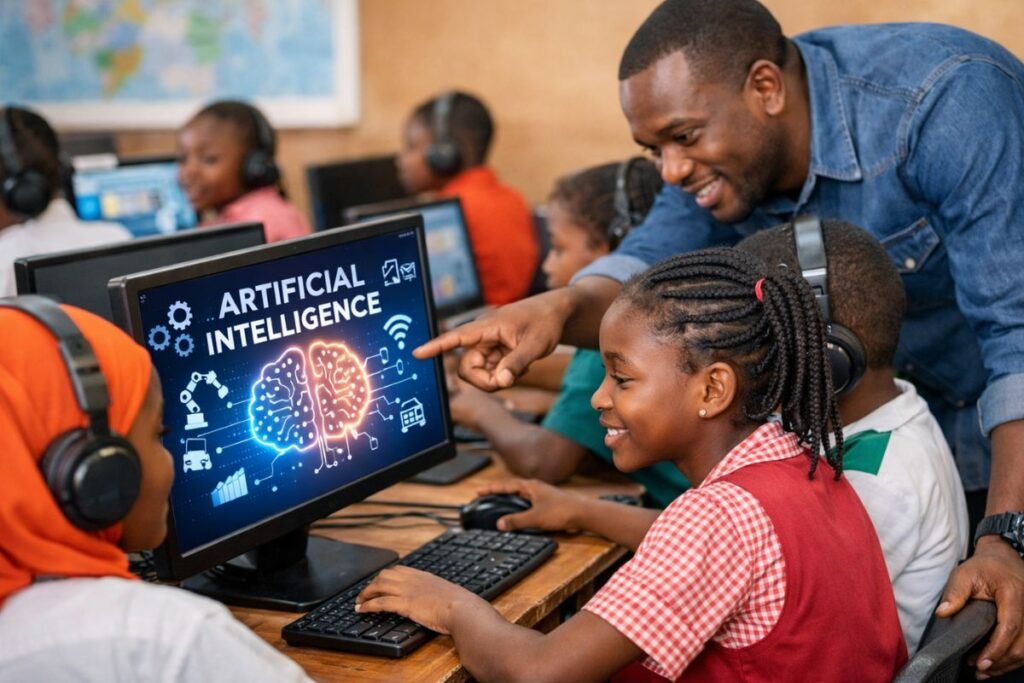
A New Era for Teaching and Learning
The traditional model of teaching in universities, where lecturers deliver one-size-fits-all content, is gradually giving way to more personalised, data-driven learning systems powered by AI. These systems can analyse student performance, identify weaknesses, and recommend tailored learning paths in real time.
Studies show that AI tools are already improving teaching effectiveness in Nigerian universities, particularly in areas like mentoring and student engagement. This shift is helping lecturers move from being mere transmitters of knowledge to facilitators of deeper learning experiences.
Globally, generative AI is also transforming classrooms by enabling adaptive learning environments where students receive instant feedback, automated assessments, and customised study materials. For Nigerian institutions, this presents an opportunity to bridge long-standing gaps in teaching quality and access to educational resources.
However, the transition is not without its challenges. Many universities still lack the infrastructure, training, and policy frameworks needed to fully integrate AI into their systems. Experts continue to emphasise the importance of equipping lecturers with digital skills and ensuring that AI tools are used responsibly and ethically.
Driving Research Innovation and Global Competitiveness
Beyond teaching, AI is revolutionising research in ways that were previously unimaginable. From data analysis to predictive modelling, researchers can now process vast amounts of information in seconds, significantly accelerating the pace of discovery.
In Nigeria, this has the potential to boost research output and global visibility. Emerging initiatives and studies highlight how AI adoption could transform the country’s academic landscape, enabling universities to compete more effectively on the global stage.
At the global level, collaboration is also expanding through organisations such as the Digital Education Council, which brings together universities and stakeholders to develop frameworks for responsible AI adoption in higher education. These collaborations are critical for ensuring that institutions in developing countries are not left behind.
Nigerian scholars are already contributing to the global AI conversation. Experts like Rita Orji are playing key roles in shaping international discussions on the societal impact of AI, highlighting the country’s growing influence in this space.
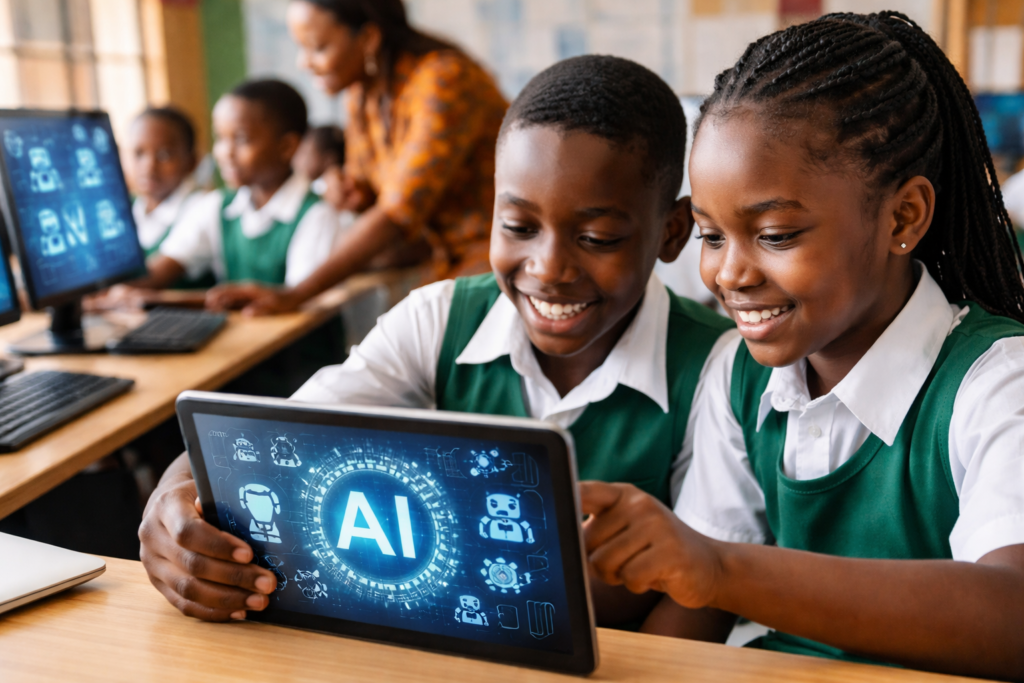
Nigeria’s Growing AI Ecosystem in Higher Education
The rise of AI in Nigerian universities is closely tied to the broader development of the country’s tech ecosystem. Government initiatives, startup investments, and international partnerships are all contributing to a more vibrant digital landscape.
One notable development is the emergence of specialised institutions focused on artificial intelligence. Reports indicate that Nigeria is already moving towards establishing dedicated AI universities aimed at training the next generation of tech professionals and researchers.
At the same time, organisations led by professionals like Toyosi Akerele-Ogunsiji are working to promote AI literacy, governance, and policy development across the country. These efforts are helping to create an enabling environment for innovation within higher education.
Private sector involvement is also playing a crucial role. Funding programmes, partnerships with global tech companies, and training initiatives are equipping students and researchers with the skills needed to thrive in an AI-driven world.
Despite these advances, gaps remain. Limited funding, inadequate infrastructure, and uneven access to technology continue to pose significant barriers. Addressing these challenges will be essential if Nigeria is to fully harness the benefits of AI in its universities.
Balancing Opportunities with Ethical and Practical Concerns
While the promise of AI in higher education is undeniable, it also raises important ethical and practical questions. Issues such as data privacy, academic integrity, and over-reliance on technology are becoming increasingly relevant.
Research suggests that while AI can enhance teaching and learning, it cannot replace the human elements that define education, such as critical thinking, creativity, and emotional intelligence. This reinforces the need for a balanced approach where AI complements rather than replaces educators.
There are also concerns about inequality. Without deliberate policies, the adoption of AI could widen the gap between well-funded institutions and those with limited resources. Ensuring equitable access to AI tools and training will be critical in preventing a digital divide within the education sector.
Globally, universities are beginning to develop governance frameworks to address these challenges, focusing on transparency, accountability, and responsible use of AI. Nigerian institutions are expected to follow suit as adoption increases.
The Future of AI in Nigerian Universities
Looking ahead, the integration of AI into Nigerian universities is expected to accelerate, driven by technological advancements and increasing demand for digital skills. The shift is not just about improving education but about preparing students for a rapidly changing global economy.
Experts believe that universities that embrace AI early will gain a competitive advantage, attracting better students, securing more research funding, and producing graduates who are better equipped for the workforce.
For Nigeria, the stakes are particularly high. With a young and growing population, the country has an opportunity to leverage AI in higher education to drive economic growth, innovation, and global relevance.
The transformation is already underway. What remains is the speed and scale at which institutions can adapt. If managed effectively, AI could mark the beginning of a new chapter in Nigerian higher education, one defined by innovation, inclusivity, and global impact.
Join Our Social Media Channels:
WhatsApp: NaijaEyes
Facebook: NaijaEyes
Twitter: NaijaEyes
Instagram: NaijaEyes
TikTok: NaijaEyes
READ THE LATEST EDUCATION NEWS