Artificial intelligence is reshaping how people live and work all over the world. In the United Kingdom, the government has published a major evidence review to understand what skills citizens need to thrive in an AI-rich future. The AI Skills for Life and Work: Rapid Evidence Review lays out what AI means for everyday life and employment, where gaps exist, and what policymakers, schools and employers need to do next. This article explains the review’s findings in a way that is accessible and relevant, using Nigerian English and a clear professional tone.
Table of Contents
What the Review Set Out to Do
The UK government commissioned this rapid evidence review to explore several key questions. These included what AI-relevant skills are essential for life and for work, how well current skills match demand, and what lessons can be drawn from other countries. The research was led by academic institutions and research organisations over more than a year. It takes stock of hundreds of studies, reports and frameworks to build a picture of where the country stands.
At its core, this review recognises that AI is no longer just a technical topic for computer scientists. AI now influences sectors from health and transport to banking and education. People use AI through everyday tools like search engines, recommendation systems, smart devices and social platforms. As a result, the skills needed go far beyond coding alone. Citizens need to understand not only how AI works, but also how to use it responsibly.
Understanding AI and Digital Skills
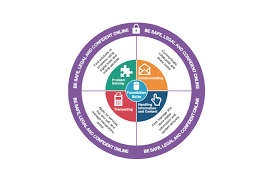
Before diving into AI skills specifically, the review highlights the importance of broad digital literacy. Digital literacy means knowing how to use computers, internet tools, software and digital services in daily life and work. Without solid digital foundations, learning AI skills becomes much harder. The UK’s Essential Digital Skills framework, for example, outlines the abilities people should have to communicate, handle information, transact online, solve problems and stay safe online. The evidence review shows that many people still lack full digital skillsets, and that this could deepen inequalities as AI technologies spread.
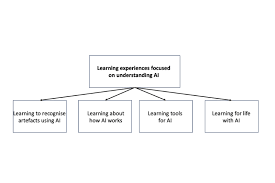
The report also surveys different definitions of AI and AI literacy that researchers and educators have developed. AI literacy is broader than just understanding algorithms. It includes knowing what AI can and cannot do, how it functions, and the ethical implications of its use. Additionally, understanding how people perceive AI — including common misconceptions — is part of being truly AI literate. Frameworks from academic research often group AI competencies into categories like understanding concepts, using tools effectively, and evaluating systems critically.
Skills for Everyday Life and Work
One of the review’s key messages is that AI skills are needed both in everyday life and in the workplace. For daily life, people must be able to interact with AI technologies confidently and safely. This means recognising where AI is being used, understanding basic strengths and limitations, and being able to make informed choices about when to trust or question AI outputs. For work, employers increasingly value both technical and non-technical AI competencies. Some jobs require deep technical knowledge, but many roles need workers who understand how AI tools can augment productivity, analyse information, and make ethical decisions.
The review also notes that defining specific AI skills for work is still a work in progress. A competency framework has been drafted, with categories that reflect real stages in AI projects and use. These dimensions include privacy and data stewardship, problem definition and communication, and evaluation and reflection. The idea is that workers at different levels — from basic users to AI leaders — require different combinations of skills. But more validation and refinement of these frameworks are needed before they can guide curricula and certification standards.
Where the Skills Gaps Are
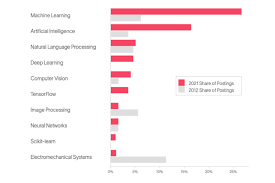
Evidence shows that although demand for AI skills is growing rapidly, supply is lagging. Surveys of employers and job postings indicate shortages in both basic digital skills and more advanced AI competencies. Data from job market analytics reveal that roles mentioning AI or generative AI have surged in recent years. These trends highlight a gap between what the labour market needs and the skills that education systems and training programmes currently deliver.
Regional disparities also matter. In the UK, demand for AI skills is higher in big cities and tech hubs, but many regions lag behind. Broader demographic factors like age, education level, income and gender influence digital and AI skill attainment. Without targeted interventions, these existing inequalities risk becoming more entrenched.
The review also highlights that traditional subjects like science, technology, engineering and mathematics will remain important. However, if only students in these subjects develop AI skills, large portions of the workforce will be left behind. That means integrating relevant topics into a range of subjects and offering lifelong learning opportunities for adults.
Education and Training for the Future
One of the most urgent messages from the review is the need to rethink education and training. AI literacy should not be confined to computer science classes. Instead, AI concepts can be woven into many existing subjects at primary, secondary and tertiary levels. This interdisciplinary approach recognises that ethical, social and practical aspects of AI are just as important as technical ones. It also makes AI learning more accessible to a wider audience.
Teachers and trainers also need support. Many educators currently lack the training and resources to teach AI concepts effectively. The evidence suggests that professional development for teachers, the creation of high-quality materials and the use of engaging methods would help embed AI literacy across classrooms. Gamification and self-paced learning tools are among the strategies researchers propose to boost motivation and learning outcomes.
Lifelong learning is another theme. Given how quickly AI technology evolves, people will need opportunities to reskill and upskill throughout their careers. Employers play a role here, too. Workplace training and collaboration between industry and education providers could help workers stay relevant in a changing job market.
Ethical and Social Considerations
The review makes clear that understanding AI is not just about technology. Citizens and workers must also grasp ethical, legal and social implications. AI systems raise questions around fairness, transparency and accountability. Without these understandings, people may misuse tools or be vulnerable to harm. The report identifies ethics as a distinct category of AI competency and stresses its inclusion in education and training.
This dimension ties into how people perceive and trust AI. Common misconceptions can lead individuals to overestimate what AI can do, or dismiss the risks it presents. A well-rounded AI education helps people navigate these nuances, making them better equipped to engage with technology in informed and responsible ways.
Looking Ahead
As AI continues to evolve, so too must the frameworks that guide skills development. The review emphasises the need for ongoing research and flexible strategies. New tools, new job roles and new ethical challenges will continue to emerge, and education systems must be nimble enough to respond.
In summary, the AI Skills for Life and Work evidence review shows that building an AI-capable society requires more than technical training alone. It calls for strong digital foundations, thoughtful curriculum design, lifelong learning opportunities and an appreciation of ethical and social dimensions. If these elements are addressed, citizens will be better prepared to harness AI positively in their personal lives, in their careers and for the good of society as a whole.
What This Means for Readers
For young people thinking about careers, workers seeking to stay competitive, educators shaping future programmes, and policymakers planning for growth, this review offers a clear message. AI is now part of life and work, and preparing for it means learning how to use these tools thoughtfully and effectively. With the right investments in skills and education, the opportunities of AI can be realised while risks are managed responsibly.
If you want to read the source yourself, the UK government has published the full AI Skills for Life and Work: Rapid Evidence Review on its official website.
Join Our Social Media Channels:
WhatsApp: NaijaEyes
Facebook: NaijaEyes
Twitter: NaijaEyes
Instagram: NaijaEyes
TikTok: NaijaEyes