In a major boost for urban mobility in Africa, Seoul-based tech firm Nota AI has sealed a game-changing agreement to bring its advanced traffic management technology to Nairobi, Kenya. This move follows the company’s recent wins in the Middle East where its smart transport solutions are already driving real results. The partnership is set to reimagine how traffic flows through Kenya’s bustling capital and points to an expansion of AI-powered transport systems across the continent.
The signing of this contract represents more than just a technology export. It symbolises a leap in how African cities can use cutting-edge tools to understand and manage traffic in real time, making roads safer, smoother and more predictable for drivers and commuters alike.
Table of Contents
Smart Intersection Technology Set to Improve Traffic Flow
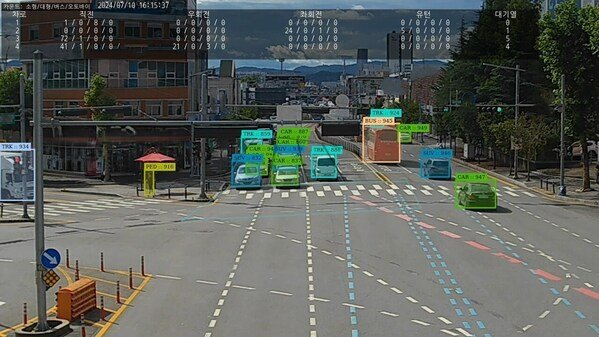
At the heart of this initiative is Nota AI’s Smart Intersection System, a cutting-edge solution that uses artificial intelligence to analyse traffic conditions without depending on large central servers. At its core, the technology compresses complex AI models so they can run efficiently on local devices at road intersections. This means traffic cameras can classify vehicles, determine queue lengths and monitor overall flow instantly as conditions change in the moment.
In practical terms, this system will allow city traffic managers in Nairobi to see what is happening on the ground in real time and respond rapidly to congestion or unusual events. Traditional systems often require powerful, costly servers to process video feeds before useful information can be delivered. With edge-based AI, much of that analysis happens right where the data is collected, keeping operational costs down and responsiveness high.
This breakthrough could be especially valuable for Kenyan cities where infrastructure budgets are under pressure, and where the ability to manage traffic efficiently can have direct impacts on economic activity and quality of urban life..
Collaboration Across Borders: Global Experience Meets Local Needs
The Nairobi project is being coordinated by LG CNS and the Kenya Urban Roads Authority (KURA), with HANIL STM handling system design and technical management. Nota AI brings its expertise in AI model compression and optimisation to tailor the Smart Intersection System to the Kenyan environment.
This is not Nota AI’s first foray into international transport systems technology. The company’s solutions have already been deployed and tested in key global markets, gaining traction with transport authorities in the United Arab Emirates, including a successful engagement with the Dubai Roads and Transport Authority, and practical technology verifications in the United States with partners such as Sony.
Those earlier projects demonstrated the company’s capability to deliver AI systems that perform well in real-world conditions, managing everything from pedestrian safety to traffic volume analysis with high levels of accuracy and responsiveness.
For Nairobi, that experience matters a great deal. Roads in African megacities often have unpredictable traffic patterns, a mix of vehicles and non-motorised movements and a need for rapid decision-making by traffic controllers. Delivering systems that can adapt to these conditions without heavy computing infrastructure could be a major advantage for urban planners and motorists alike.

What This Means for Africa’s Cities
For Kenyan commuters, the arrival of advanced AI traffic systems could be a noticeable improvement. Better traffic monitoring and optimisation can reduce time spent in gridlock, make public transport journeys more reliable and contribute to lowering fuel wastage and emissions from idling vehicles. Local authorities could also gain richer data to plan future road improvements and prioritise investments where they matter most.
According to Nota AI’s chief executive, Myungsu Chae, the deployment in Nairobi builds on the momentum the company has created in other global markets. He expressed optimism about the technology’s potential to enhance traffic management and expand the influence of edge AI solutions in fast-growing urban centres around the world.
This initiative aligns with a broader global shift towards edge artificial intelligence systems that do not require vast computing power or constant internet connectivity to operate effectively. By reducing computational complexity and memory demands, such technologies are particularly suited to environments where hardware resources and connectivity can vary widely.
Already recognised in global tech circles for its innovation, Nota AI has been named among the most promising AI startups and has secured strategic partnerships spanning major industries. These achievements reinforce confidence that the company’s technology can deliver on its promise of practical, scalable solutions for traffic and transport challenges.
A New Chapter for Intelligent Transport in Africa
As African cities expand and populations grow, the demand for intelligent transport solutions is increasing quickly. Nairobi’s adoption of AI-enabled traffic optimisation might well be a trendsetter for other capitals looking for cost-efficient ways to harness smart technologies in public infrastructure.
Whether in Lagos, Accra or Johannesburg, the lessons learned from Nairobi’s experience with Smart Intersection Systems could inform future projects across the continent. By leveraging edge-based AI, cities could avoid the huge investments required for centralised computing facilities while still gaining cutting-edge traffic insights.
In everyday terms for commuters, these innovations could translate into shorter waiting times at busy junctions, better coordination of traffic signals and a smoother flow of vehicles at peak hours. Moreover, as more data is collected and analysed, transport planners will be able to refine traffic policies and enforcement strategies in ways that are informed by real conditions on the ground.
This project not only marks a milestone for Nairobi but also highlights the growing role of artificial intelligence in shaping the future of urban life in Africa. As smart technology becomes more accessible and adaptable, its impact on daily commuting, economic productivity and urban development is likely to grow significantly.
Join Our Social Media Channels:
WhatsApp: NaijaEyes
Facebook: NaijaEyes
Twitter: NaijaEyes
Instagram: NaijaEyes
TikTok: NaijaEyes