
In a landmark move set to redefine connectivity across the continent, Airtel Africa has entered into a strategic partnership with SpaceX to roll out satellite-enabled mobile services powered by Starlink technology. The collaboration signals a major leap forward in efforts to bridge Africa’s persistent connectivity gap, especially in rural and underserved communities where traditional telecom infrastructure has struggled to reach.
This development is not just another corporate agreement. It represents a shift in how mobile networks will operate in Africa going forward, blending terrestrial telecom systems with space-based infrastructure to deliver coverage in ways previously considered impractical.
Table of Contents
A New Era of Mobile Connectivity in Africa
At the heart of the partnership is Starlink’s Direct to Cell technology, which allows standard smartphones to connect directly to low Earth orbit satellites without the need for specialised hardware. This means that millions of Airtel Africa subscribers across its 14 markets will soon be able to access mobile services even in areas where there are no network towers.
The service is expected to begin rolling out in 2026, starting with basic offerings such as text messaging and limited data services. Over time, it will expand to include faster broadband capabilities as next-generation satellites are deployed.
For a continent where connectivity remains uneven, the implications are significant. Current estimates suggest that mobile internet penetration in parts of Africa remains low, with infrastructure gaps leaving many communities offline. By leveraging a constellation of thousands of satellites, this partnership aims to bypass the limitations of ground-based networks entirely.
What makes this approach particularly powerful is its simplicity. Users will not need to purchase new devices. Compatible smartphones will automatically connect to the satellite network when terrestrial coverage is unavailable, ensuring a seamless experience.
Why This Partnership Matters for Nigeria and Beyond
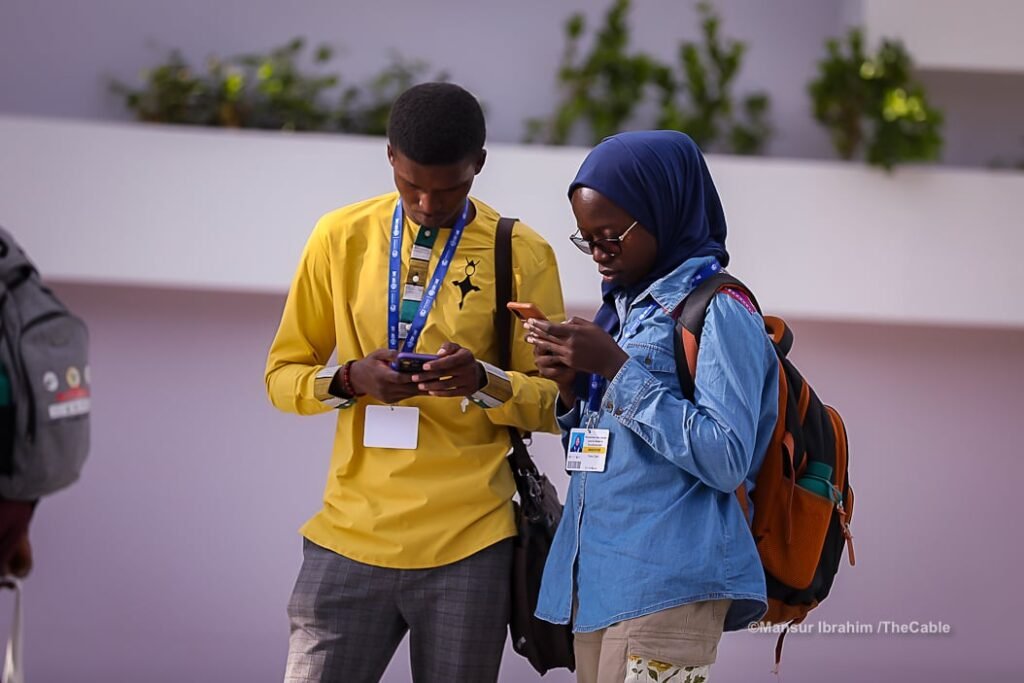
For Nigeria and other African countries within Airtel Africa’s footprint, this initiative could reshape access to essential services. In many rural communities, a lack of reliable connectivity has long hindered education, healthcare delivery, financial inclusion, and economic participation.
With satellite-enabled mobile services, a farmer in a remote village could access market prices in real time, a student could participate in online learning, and healthcare workers could communicate more effectively during emergencies. These are not distant possibilities. They are practical outcomes that this partnership is designed to enable.
Airtel Africa’s leadership has emphasised that the collaboration is meant to complement, not replace, existing infrastructure. By integrating satellite connectivity with terrestrial networks, the company aims to create a more resilient and reliable system overall.
From a Nigerian perspective, where network black spots still exist despite years of telecom expansion, this hybrid model could finally address long-standing coverage challenges. It also aligns with broader national and continental goals around digital transformation and inclusion.
How Starlink Technology is Changing the Game
Starlink, operated by SpaceX, has rapidly grown into one of the world’s most ambitious satellite internet projects, with millions of users globally and coverage spanning over 160 countries.
Its Direct to Cell capability represents the next phase of that evolution. Unlike earlier satellite communication systems that required bulky equipment, this technology integrates with existing mobile networks and devices. The result is a more accessible and scalable solution.
The system works by using low Earth orbit satellites, which are positioned closer to the planet than traditional satellites. This reduces latency and improves performance, making it suitable for real-time communication services such as messaging and, eventually, voice and data.
For Airtel Africa, tapping into this infrastructure means extending its reach without the massive capital expenditure required to build towers in difficult terrains. For SpaceX, it provides a strong entry point into African mobile markets through an established telecom operator with over 170 million customers.
This synergy highlights a broader global trend where telecom companies and satellite providers are increasingly collaborating to create hybrid networks capable of delivering universal coverage.
Challenges, Opportunities and What Comes Next
While the promise of satellite-enabled mobile services is compelling, the rollout will not happen overnight. One of the key factors influencing deployment will be regulatory approval in each country. Governments will need to assess spectrum usage, licensing requirements, and security considerations before services can go live.
There are also technical and commercial questions to address. For instance, how will pricing be structured for end users? Will satellite connectivity be bundled into existing plans or offered as a premium service? These details will play a crucial role in determining adoption rates.
Despite these uncertainties, the opportunity is undeniable. By closing connectivity gaps, this partnership has the potential to unlock new markets, drive digital innovation, and support economic growth across Africa.
It also positions Airtel Africa as a pioneer in adopting next-generation telecom solutions on the continent. Being among the first operators to integrate Direct to Cell technology could provide a competitive edge in an increasingly dynamic industry.
Looking ahead, the success of this initiative could encourage similar collaborations across Africa and beyond. As more telecom providers explore satellite integration, the vision of truly universal connectivity may finally come within reach.
For now, all eyes are on 2026, when the first phase of this ambitious project is expected to go live. If executed effectively, it could mark the beginning of a new chapter in Africa’s digital journey, one where geography is no longer a barrier to connection.
Join Our Social Media Channels:
WhatsApp: NaijaEyes
Facebook: NaijaEyes
Twitter: NaijaEyes
Instagram: NaijaEyes
TikTok: NaijaEyes