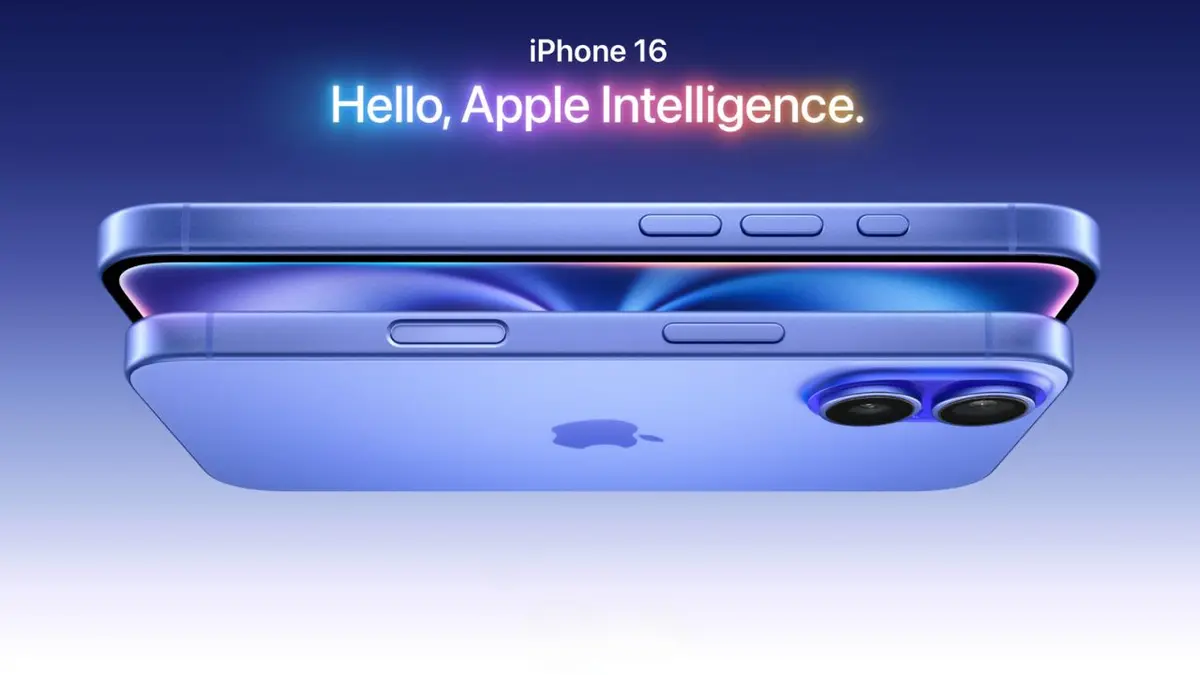
Apple is quietly but confidently shifting its focus towards a future where artificial intelligence plays a central role in daily digital life. While the iPhone has long been the company’s flagship product, new developments now point to a broader vision where AI-powered wearable devices work alongside the iPhone to deliver seamless experiences that feel natural and intuitive.
According to recent reports from trusted technology news sources, Apple is accelerating work on three new AI wearable devices that promise to reshape how we interact with technology. These products are set to work closely with Siri and the iPhone ecosystem in ways that suggest Apple is preparing for a future where voice, vision, and context are as important as touch, according to Dataconomy.
In this article, we explore what’s coming, why it matters, and how Apple’s strategy could influence the next chapter of AI-enabled gadgets.
Table of Contents
A Smart Wearables Push Beyond the iPhone
For many years, the iPhone was the centre of Apple’s hardware universe. Other devices like the Apple Watch and AirPods were built to complement it, but never quite pushed beyond personal audio or fitness tracking. Today, however, Apple’s hardware roadmap is shifting rapidly.
Reports indicate that Apple is working on three distinct wearable gadgets that have one thing in common: they are designed to provide Siri and Apple’s AI systems with visual and environmental context that goes far beyond what an iPhone screen can achieve.
Instead of being gadgets you pull out of your pocket, these devices are meant to be worn or attached to clothing, blending naturally into everyday life. Each one has a specific purpose, a different user experience, and targets a clear niche in the broader AI revolution:
- Smart Glasses set to launch in 2027, offering hands-free visual assistance and everyday information.
- A Wearable Pendant that clips onto clothing or hangs as a necklace and serves as a personal AI companion.
- Upgraded AirPods equipped with cameras, designed to add visual intelligence to audio experiences.
Across the technology industry, companies are racing to develop AI wearables that bring more intelligence into everyday devices. Apple’s entry is particularly notable because it pairs its hardware with a massive user base and an ecosystem that already includes hundreds of millions of active iPhone users.
Smart Glasses: Apple’s Vision for a Hands-Free Future
The most ambitious of the three devices is Apple’s smart glasses, internally code-named N50.
Unlike the bulky headsets seen in virtual reality or even prior augmented reality experiments, Apple’s approach is focused on lightweight, stylish glasses that quietly enhance your understanding of the world. These glasses are not expected to have a full display like VR headsets. Instead, they will rely on built-in cameras, speakers, and microphones to interact with your environment and provide AI-driven assistance through audio feedback and voice commands.
According to reports, Apple plans to begin production in December 2026, with a public launch slated for early 2027. The frames will be designed in-house, which distinguishes Apple’s product from competitors that have partnered with established eyewear brands.
What makes these glasses particularly interesting is their focus on practical intelligence. Instead of displaying floating holograms or intrusive visuals, they will use machine learning and contextual awareness to support users in useful ways:
- Identifying objects in the real world.
- Reading texts and signs aloud.
- Setting reminders based on what you are doing.
- Making phone calls without needing to touch your phone.
This focus on everyday usefulness over flashy features suggests Apple is targeting mainstream adoption rather than niche high-end experiences. In Nigeria and other markets, where people value functionality and reliability, this approach may resonate strongly if Apple markets these glasses with practical use cases at the forefront.

The AI Pendant: Always There, Always Aware
The second wearable Apple is developing is what many in the tech world are calling a wearable pendant or AI pin. This device is smaller than the smart glasses, roughly the size of an AirTag, and is designed to clip onto a shirt or be worn as a necklace.
Though simple in form, this device has significant potential because it functions as your iPhone’s “eyes and ears”. With a camera and microphone built in, the pendant captures visual and audio context from your surroundings and feeds that information back to the iPhone’s AI systems.
Consider a scenario where you walk into a busy market. Instead of pulling out your iPhone to search for directions or identify something unfamiliar, you could simply speak to the wearable pendant and get the information you need hands-free. It is an idea that sounds futuristic but could very well become part of everyday life in the years ahead.
This wearable concept resembles other AI devices announced by competitors, but Apple’s strength lies in its ecosystem and familiarity with accessory integration. Since the device works closely with the iPhone and Siri, users might experience a seamless bridge between their existing Apple hardware and the new wearable.
For many users in Nigeria and across Africa, where mobile usage is already deeply ingrained in daily life, such a lightweight, always-on assistive device could find a unique place in how people organise their days and get things done.
Camera-Equipped AirPods: Audio Meets Visual AI
AirPods have been a staple of Apple’s accessory lineup for years. Millions of people use them daily, and their popularity alone gives Apple a strong platform to add more features.
The next generation of AirPods, according to reports, will do far more than play music or accept phone calls. These camera-equipped AirPods will capture visual data that can be processed by Siri and the iPhone’s AI systems to make audio interactions more contextual and intelligent.
Imagine having AirPods that can:
- Suggest what to do based on what you are looking at.
- Identify objects and landmarks in real time.
- Offer more accurate voice responses because they use location, visual cues, and audio context.
Apple’s goal is to make these earbuds not just audio devices, but intelligent assistants that reduce the need to look at phones constantly. Since most users are already familiar with wearing AirPods, this innovation could see faster adoption compared with glasses or a pendant.
For markets like Nigeria, where people are often on the move and rely heavily on mobile devices for work and social interaction, having AirPods that provide visual insight through audio could redefine how users engage with AI technology throughout the day.
Siri and the AI Ecosystem: The Core That Binds It All
None of these wearables will function in isolation. All three devices are being developed to work with Apple’s digital assistant, Siri, which is itself undergoing a major transformation.
Apple is reportedly building a more advanced version of Siri that can understand and respond to natural language more richly, with improved context awareness and conversational ability. While Siri’s evolution has faced delays in the past, Apple remains committed to integrating this upgraded AI into its wearable ecosystem, making the assistant the core intelligence that powers all new hardware.
What this means is that Apple is not simply adding gadgets to its product line. The company is weaving a cohesive AI-driven experience where devices and software work together to create something greater than the sum of their parts.
By positioning Siri at the centre of this strategy, Apple is betting that users will embrace a future where AI isn’t just a feature, but a partner in daily tasks.
Strategic Implications and Market Response
Apple’s push into AI wearables comes at a critical time. Tech giants like Meta, Google, and other startups are also racing to define the future of AI hardware. Meta’s Ray-Ban smart glasses and other devices from competing companies are already in various stages of deployment or testing.
Apple’s strategy differs in two key ways:
- Integration with the iPhone ecosystem, where users already trust and invest.
- A focus on practical AI advantages rather than flashy augmented reality displays.
Analysts see this move as a recognition that the smartphone era is evolving, and long-term growth will depend on personal AI that integrates naturally into everyday life. Whether users will adopt three new wearables remains to be seen, but Apple’s confidence in its ecosystem and loyal customer base gives it a stronger footing than many competitors.
Final Thoughts
Apple’s work on these three AI wearables is more than just a set of product rumours. It reflects a deeper shift in the company’s strategic priorities towards a future where artificial intelligence enhances human experiences without replacing familiar interactions.
For consumers in Nigeria and beyond, this evolution signals a potential future where technology becomes even more intuitive, connected, and helpful. As these devices move closer to production and release, the question won’t just be about what AI can do, but how seamlessly it fits into everyday life.
Join Our Social Media Channels:
WhatsApp: NaijaEyes
Facebook: NaijaEyes
Twitter: NaijaEyes
Instagram: NaijaEyes
TikTok: NaijaEyes