Residents and commuters in Abuja faced significant delays and frustration on Saturday as movement restriction enforcement by military personnel disrupted traffic flow in the Federal Capital Territory (FCT). The action, part of broader security preparations for the ongoing Area Council elections, led to standstills on key roads and sparked mixed reactions among the public.
Traffic Snarls and Frustrated Commuters During Area Council Polls
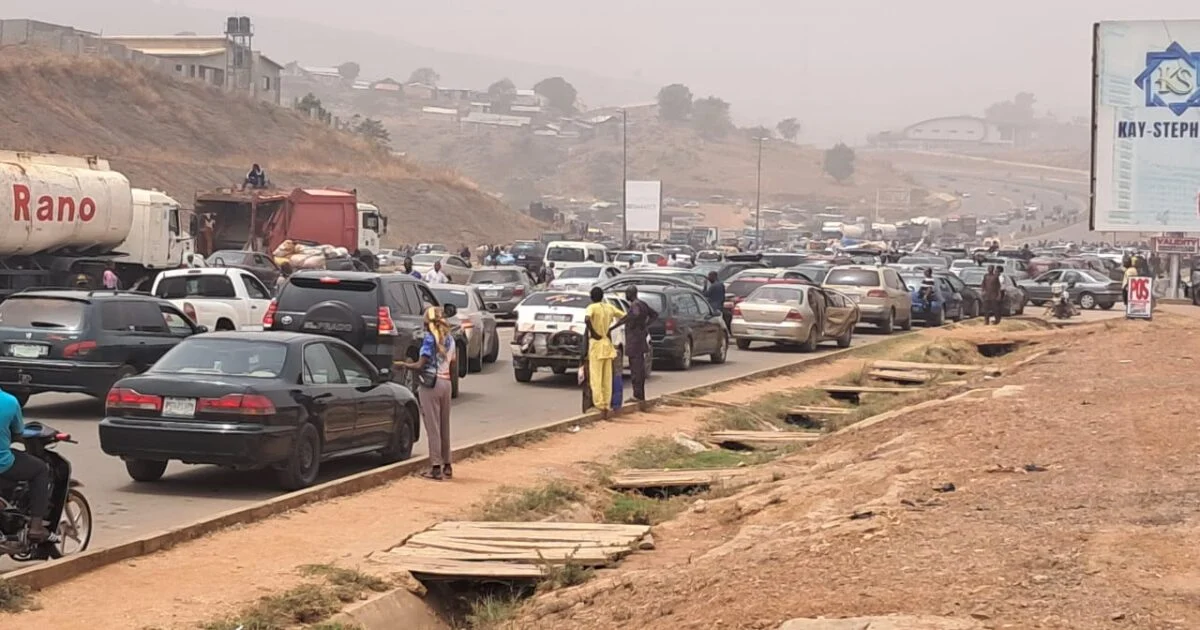
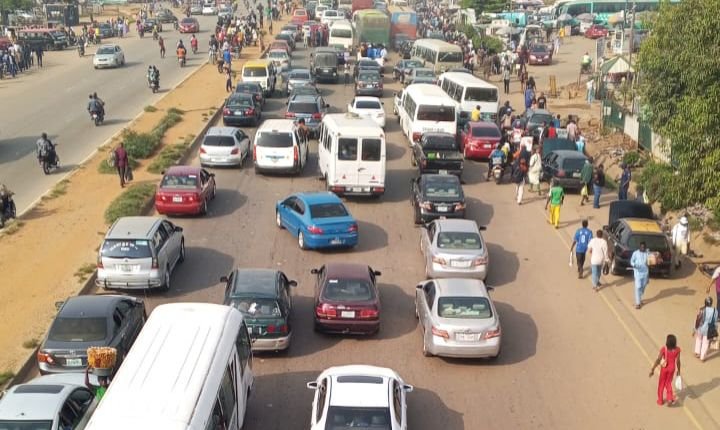
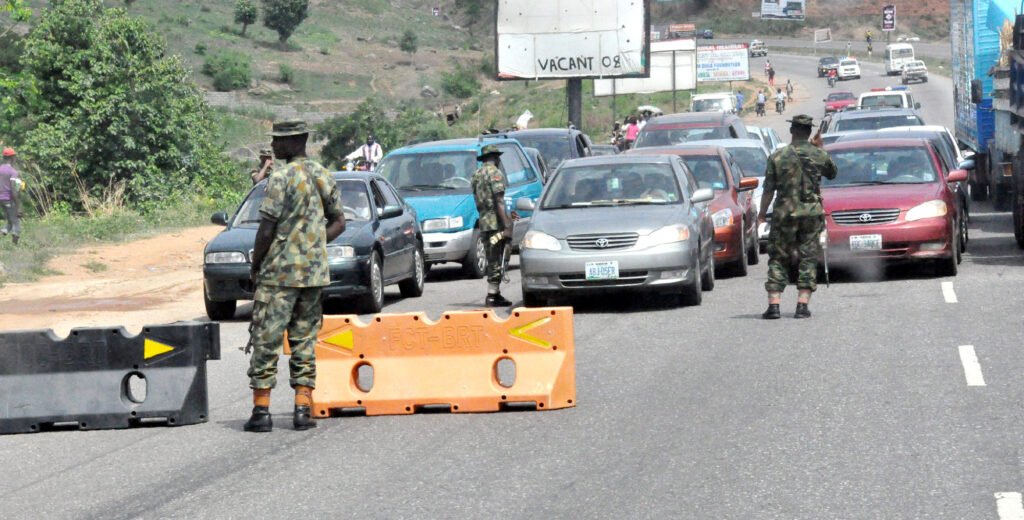
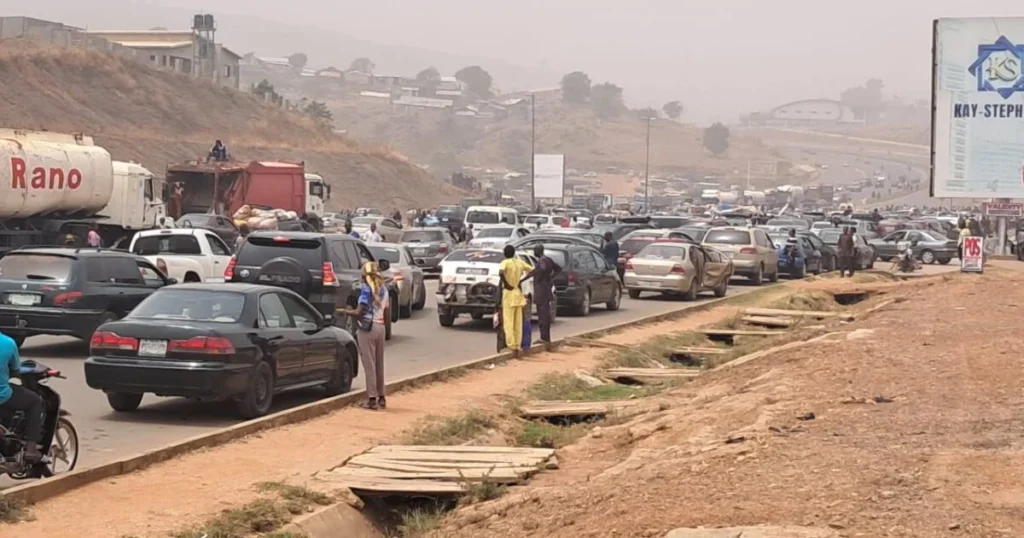
On Saturday, around midday, several motorists found themselves stuck in long queues near the Karu Bridge area of Abuja. Soldiers stationed at key points restricted movement as part of a security operation tied to the council election exercises taking place across the territory. Witnesses recounted slow or halted movement for vehicles heading both from Karu towards the city centre and in the opposite direction.
Traffic quickly became congested as drivers and passengers waited for clearance to proceed. Accredited election officials assigned to duty for the area council polls were among those who found their journeys interrupted by the checks. The presence of military personnel, armed and positioned with at least four Hilux vehicles, heightened the sense that the situation was serious and ongoing. Requests by commuters to be allowed passage were reportedly ignored at the checkpoints, with few explanations offered on the ground.
Some motorists chose to turn back to Karu, while others sought alternative routes as waiting times stretched. Those stranded expressed frustration, saying the delay affected plans for the day and delayed essential errands. Reports from the scene indicated growing irritation among travellers still navigating the clogged roadways hours after the enforcement began.
Security Strategy and Movement Restriction Order
The heightened security presence and the restriction on movement were part of a larger directive announced by the Federal Capital Territory Police Command and supported by other security agencies. Ahead of the Area Council elections scheduled for February 21, the police declared a temporary restriction of movement across the FCT from 6:00 a.m. to 6:00 p.m. This directive, intended to secure the territory and ensure the elections proceed in a calm and orderly manner, applied to all residents except essential service providers and accredited election officials.
The Nigeria Police Force, alongside the Department of State Services, the Nigerian Army, the Air Force, Navy, and the Nigeria Security and Civil Defence Corps, coordinated deployments at strategic locations. Authorities explained that these measures were essential to maintain peace, prevent disruptions, and protect electoral materials and personnel. Security officials encouraged citizens to cooperate with enforcement teams and to report suspicious activities through designated emergency lines.
Officials maintained that the temporary movement restriction formed part of normal election day security arrangements designed to create a safe environment for voters and polling activities. Despite clear guidelines, challenges emerged, especially in high-traffic corridors like the Karu Bridge, where enforcement efforts visibly intersected with daily commuting patterns.
Public Response and Mixed Reactions
News of the traffic disruption quickly spread across social and traditional media, with many commuters expressing dissatisfaction. Ordinary residents questioned the timing and execution of the movement restriction, noting that the enforced delays appeared harsher and more prolonged than necessary. Some social commentators suggested that the operation lacked proper coordination with transport authorities, leading to avoidable gridlock.
Civil society groups added their voices to the conversation, arguing that the movement restriction order had not been properly harmonised with stakeholders and that its sudden implementation could fuel distrust in the electoral process. The Civil Society Legislative Advocacy Centre and the Transition Monitoring Group issued statements criticising the restrictions as poorly coordinated and potentially counterproductive.
Yet, there were also residents who understood the need for heightened security during election day and urged their fellow citizens to remain patient and compliant. Some commuters saw the long waits as part of the price for peaceful and credible elections, recognising that security agencies had a responsibility to protect voters and maintain order.
Election Day: Compliance and Defiance
By mid-morning, reports from several parts of the FCT revealed a complex picture. In areas such as Airport Road, Jikwoyi, Nyanya, Gwagwalada, and certain parts of the Abuja Municipal Area Council, commercial activities and vehicular movement continued with little interruption. Motorcycle and tricycle operators were observed ferrying passengers, and local traders went about routine business despite the official restriction in place.
Along the Kubwa–Nyanya highway, security operatives were more visible, with blocked lanes and redirected motorists. Some drivers opted to take alternative routes to avoid the checkpoints. News from Dei-Dei and other surrounding neighbourhoods confirmed that many residents chose to ignore the restriction and pursue daily chores, while a limited number of shops and service providers remained open.
At several polling units early in the day, observer accounts noted that voting had yet to begin as expected, with electoral materials still being transported to polling stations. Low voter turnout at some units suggested that the movement restrictions and traffic bottlenecks could be influencing participation in parts of the FCT.
Looking Ahead of Area Council Polls
As the day progresses, authorities have pledged to monitor the situation closely, ensuring that the elections proceed as smoothly as possible despite the initial setbacks on the roads. Local government officials are working alongside security agencies to address concerns raised by commuters, while civil society groups continue to call for clearer communication and better planning for future exercises.
For now, Abuja’s residents remain hopeful that the disruption, though significant, will be a short-lived hurdle in the larger democratic process. The combined efforts of security forces, electoral officials, and the public will determine how effectively the elections unfold in this pivotal moment for the Federal Capital Territory.
Join Our Social Media Channels:
WhatsApp: NaijaEyes
Facebook: NaijaEyes
Twitter: NaijaEyes
Instagram: NaijaEyes
TikTok: NaijaEyes
READ THE LATEST NEWS ON POLITICS