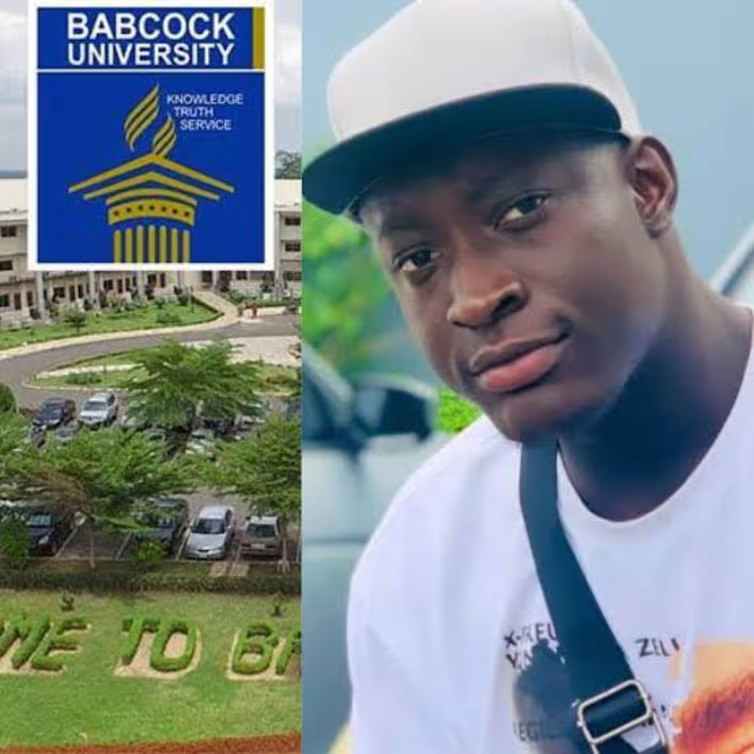

The controversy followed Carter Efe’s appearance in an interview with Egungun of Lagos, where he claimed to have graduated from the university with top honours. He later shared what he described as his graduation certificate on X.
According to the streamer, the certificate showed he earned a degree in Biochemistry with a “First Class Upper” from the institution.
Responding in a public statement issued on Sunday, Babcock University dismissed the claim as false and described the document as fraudulent.
The institution clarified that it does not operate any academic classification known as “First Class Upper” and also does not issue honorary certificates for undergraduate academic performance.
The university further warned the public against accepting such documents as authentic and advised that all academic credentials should be verified through its Office of the Registrar.
Babcock added that it would take the necessary legal steps against those involved in the alleged forgery.
ALSO READ: After defeating Portable, Carter Efe throws explosive boxing challenge at Wizkid
BACKSTORY:
The controversy began after Nigerian streamer Carter Efe made claims during an interview with Egungun of Lagos that he had graduated from Babcock University with top honours in Biochemistry. To back up his claim, he later posted what appeared to be a graduation certificate on his X account.
The document quickly attracted attention online, with many social media users questioning its authenticity. Observers pointed out inconsistencies in the certificate, particularly the use of the term “First Class Upper” — a classification Babcock University says does not exist in its academic grading system.
As the post gained traction, the university issued a public statement distancing itself from the certificate and labeling it fraudulent. Babcock clarified that it neither awards “honorary certificates” for undergraduate academic performance nor recognizes “First Class Upper” as an official classification.
The institution’s decision to pursue legal action reflects its effort to protect the integrity of its academic records and prevent the spread of false credentials. The incident has also sparked wider conversations online about verification of educational qualifications and the risks of misinformation on social media.