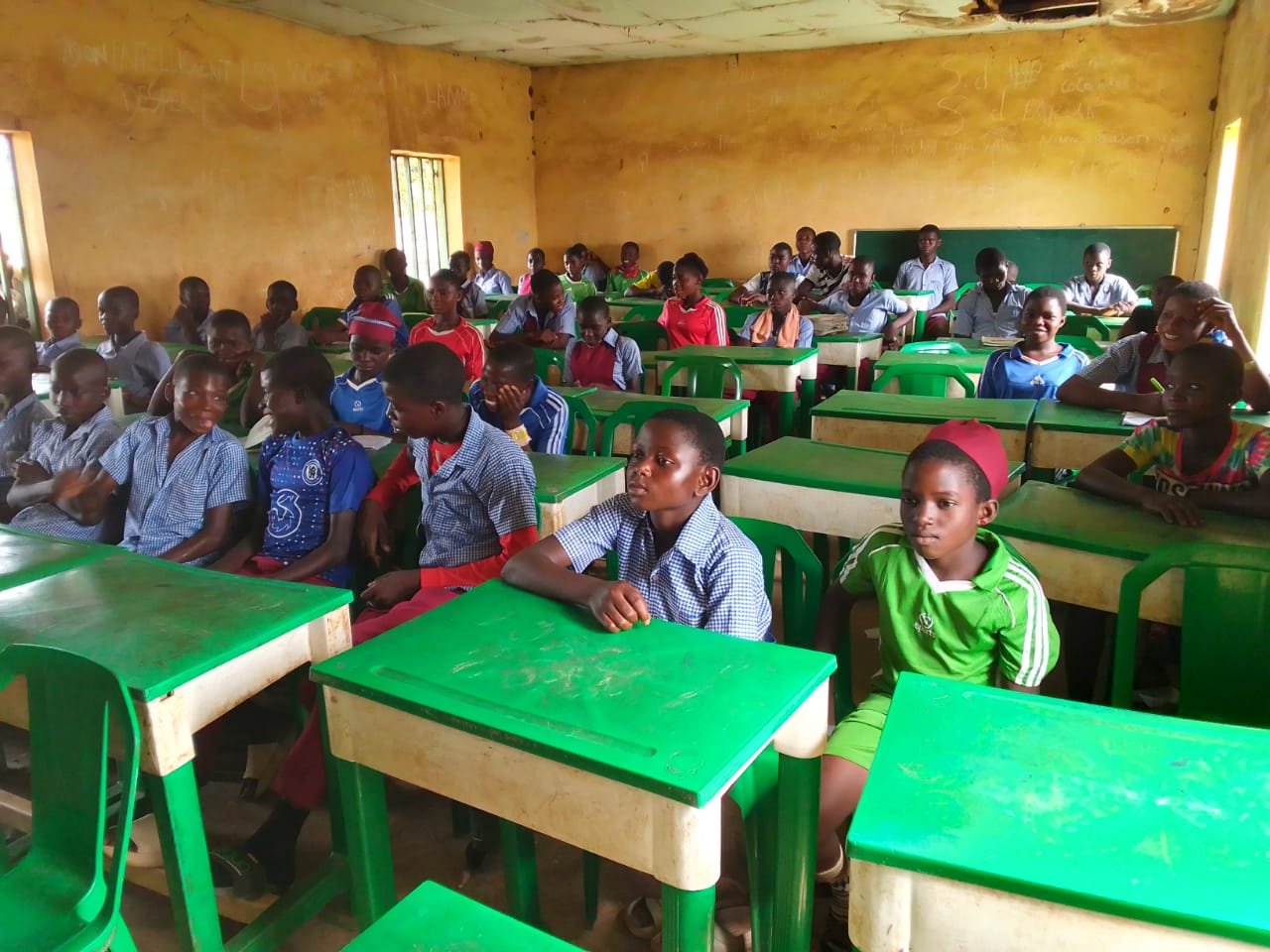
In a decisive move to confront one of Nigeria’s most pressing education challenges, the Benue State Universal Basic Education Board (SUBEB) brought together government leaders, community custodians, education advocates and development partners for a ground‑breaking education summit in Makurdi. The gathering was aimed squarely at closing the widening gap between children and basic schooling, shoring up efforts to ensure that every child in the state is given access to formal education.
At the core of this historic summit was a shared vision that education is not a privilege but a basic right, and that nothing short of concerted action will curb the persistent challenge of out‑of‑school children seen across Benue and Nigeria.
Table of Contents
A Summit with Purpose and Policy
The summit, which was convened under the theme “Innovative Strategies for Addressing the Menace of Out‑of‑School Children Enhancing Enrolment and Retention of Children in Basic Schools,” set the tone for a strategic partnership between federal agencies, state authorities and community stakeholders to devise practical, measurable solutions.
Governor Hyacinth Alia used his keynote address to reaffirm his administration’s unwavering commitment to free and compulsory basic education for every child in Benue State. He stressed that the right to education must not be denied on account of geography, poverty, tradition or circumstance. “We must now move from building schools to building futures,” the governor said, underlining that meaningful strategies are required to reverse the trend of chronic absenteeism and exclusion.
The governor described the summit as more than a policy dialogue. He said it marked the launch of a historic campaign that guarantees access to compulsory education and ensures that every Benue child is enrolled in school. To give momentum to this vision, Governor Alia unveiled the Brace Up Project, an initiative that will deploy community‑based student marshals across all local government areas to identify and track out‑of‑school children. He personally donated vehicles to support the project’s mobility and outreach.
Education advocates welcomed this bold approach, asserting that community engagement is key to tracking and reintegrating children who remain disconnected from the formal education system.
National and Local Partnerships Strengthen the Drive
Notably, the summit also served as the venue for the national rollout of the Learners Support Programme by the Universal Basic Education Commission (UBEC). The programme pledges to distribute school kits nationwide and aims to make primary education more accessible to vulnerable and low‑income families. UBEC’s Executive Secretary, Aisha Garba, said the initiative was a statement of resolve that no Nigerian child should be left outside the classroom.
The Learners Support Programme plans to distribute more than one million school starter kits in its first phase, including bags, books, sandals and pencils, which are expected to alleviate financial barriers that prevent families from sending their children to school.
Garba also highlighted reforms within UBEC that have significantly improved access to federal matching grants, leading to increased funding for school infrastructure and support programmes across the state.
Beyond government agencies, other stakeholders took to the podium to lend their voices to the dialogue. Traditional rulers, religious leaders and past administrators urged collective responsibility, arguing that education must be championed not only by policymakers but also by community influencers who shape values and norms at the grassroots level.
Former Governor Senator Gabriel Suswam notably pointed to poverty as a key driver of school absenteeism and urged sustained collaboration to tackle the socioeconomic barriers that keep children out of school.
The Tor Tiv, His Royal Majesty Prof James Ayatse, called for the dynamic involvement of traditional and religious leaders in the campaign to change community attitudes about schooling, saying that their influence could drive deeper understanding of the importance of education for individual and communal progress.
Targeted Actions and Renewed Hope
One of the most significant outcomes of the summit was the official handover of out‑of‑school children data, compiled by the National Commission for Almajiri and Out‑of‑School Children Education (NCAOOSCE), to the Benue government. This information provides a roadmap for targeted interventions, and early efforts have already seen hundreds of children reintegrated into schools with the help of supplies and community support.
Dr Muhammad Idris, Executive Secretary of NCAOOSCE, highlighted Nigeria’s troubling national figures, which indicate hundreds of thousands of children out of school. He expressed optimism that Benue’s proactive approach could serve as a model for other states in the country. “It is our prayer that at the end of your tenure as governor, Benue will record zero out‑of‑school children,” Idris told state officials.
On the local front, Benue SUBEB’s Executive Chairman, Dr Grace Adagba, delivered a detailed progress report showing strides the state has made in basic education. She noted expanded early childhood education, revitalised free nursery public schools, infrastructure improvement and enhanced teacher welfare measures, including pension reforms and increased allowances.
Over 9,000 teachers have reportedly been employed in recent years, a critical step in reducing teacher shortages that often undermine quality learning. Dr Adagba emphasised that these improvements reflect not only policy changes but visible, on‑the‑ground progress.
International and local partners, such as Universal Learning Solutions (ULS), also pledged ongoing support, with commitments to supply thousands of books and learning materials to support classroom readiness and literacy initiatives.
Moving Forward with Collective Resolve
As the summit drew to a close, the emphasis was on sustained action, continuous community engagement and follow‑through on commitments made at the event. Stakeholders expressed confidence that the strategies and partnerships forged in Makurdi will yield measurable results in reducing the number of out‑of‑school children in Benue.
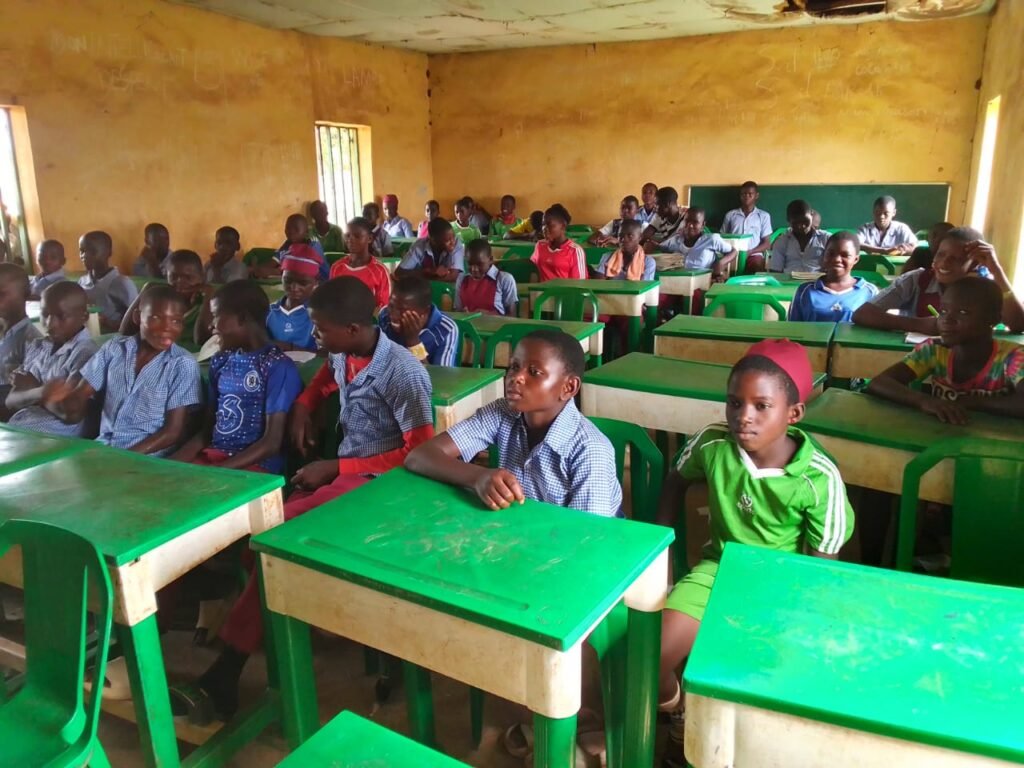
For many parents and teachers present, the summit represented a renewed sense of purpose and hope. Statistics show that millions of Nigerian children are still denied access to formal education due to poverty, insecurity and infrastructural deficits. Efforts like these, which combine federal support with local leadership, are seen as practical steps toward reversing entrenched exclusion and fulfilling the country’s promise of free, compulsory education.
In reflection, the Benue education summit is more than a policy meeting: it is a platform that signals increased accountability, community collaboration and a deep commitment to transforming Nigeria’s basic education landscape. By broadening access, fostering inclusion and mobilising every sector of society, leaders in Benue are laying the groundwork for a future where every child not only attends school but thrives within its walls.
Join Our Social Media Channels:
WhatsApp: NaijaEyes
Facebook: NaijaEyes
Twitter: NaijaEyes
Instagram: NaijaEyes
TikTok: NaijaEyes
READ THE LATEST EDUCATION NEWS