Binary Tree, a youth-driven non-profit organisation, is stepping up efforts to prepare Africa’s young people for the digital age. Established by American programmer Benjamin Standefer, the initiative has now trained more than 1,100 students across Kenya, Tanzania, Uganda, Senegal, South Africa, and even as far as Thailand. Its vision is simple yet ambitious: to give African youth access to the kind of digital literacy and programming opportunities that can transform their careers and communities.
The flagship programme is a 10-week course where participants are introduced to programming, digital tools, and web development. Each week comes with lessons, assignments, and mentorship support. At the end, students present a capstone project and are awarded a certificate of completion. This structure has allowed hundreds of learners—many of whom had little or no prior exposure to technology—to walk away with tangible skills that are relevant in today’s job market.
Cross-Cultural Training with Global Support
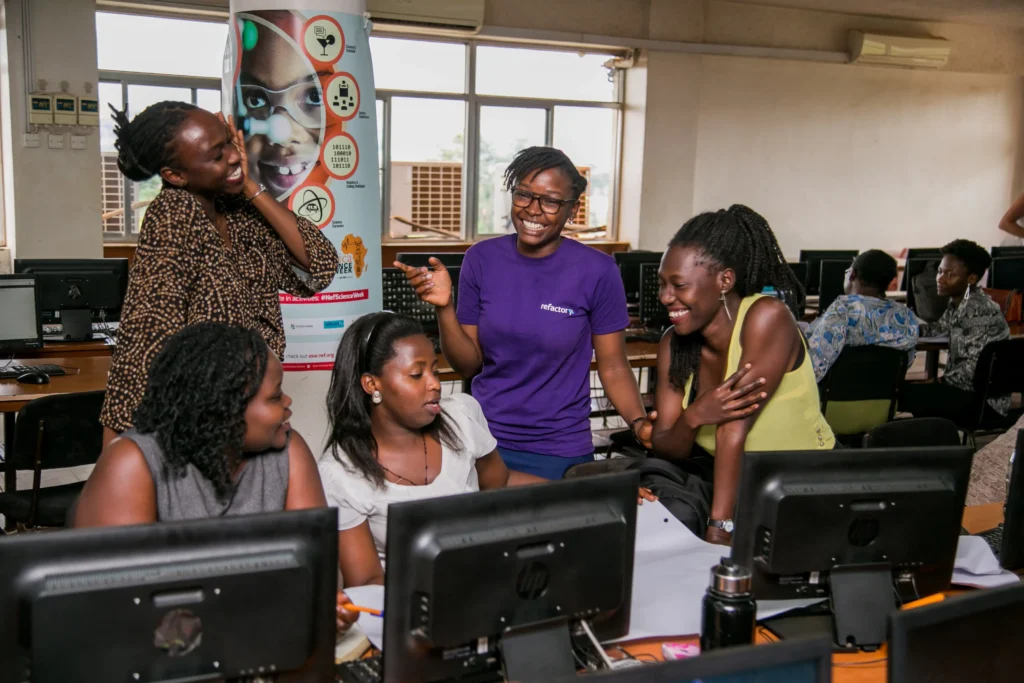
One unique feature of Binary Tree Africa digital training is its cross-cultural collaboration. Over 60 American high school students contribute to the programme by helping with curriculum design, fundraising, and social media management. Their involvement allows the non-profit to pool ideas and resources, while also giving the American students a chance to learn about Africa’s digital landscape.
This mix of global volunteers and local facilitators has produced impressive results. In Uganda, high school students were trained in web development. In Tanzania, learners at Mbeya University of Science and Technology attended hands-on sessions in programming, while in Dodoma, practical workshops on Excel were organised. Beyond Africa, Binary Tree has also developed web safety resources for refugee children in Thailand, proving that the model can adapt to vulnerable and unique communities.
The organisation’s leaders believe this blend of local knowledge and international support makes the programme stronger. Young Africans get exposure to global standards, while American students gain perspective on the challenges and opportunities that exist outside their home countries.
Promoting Digital Inclusion and Emerging Technologies
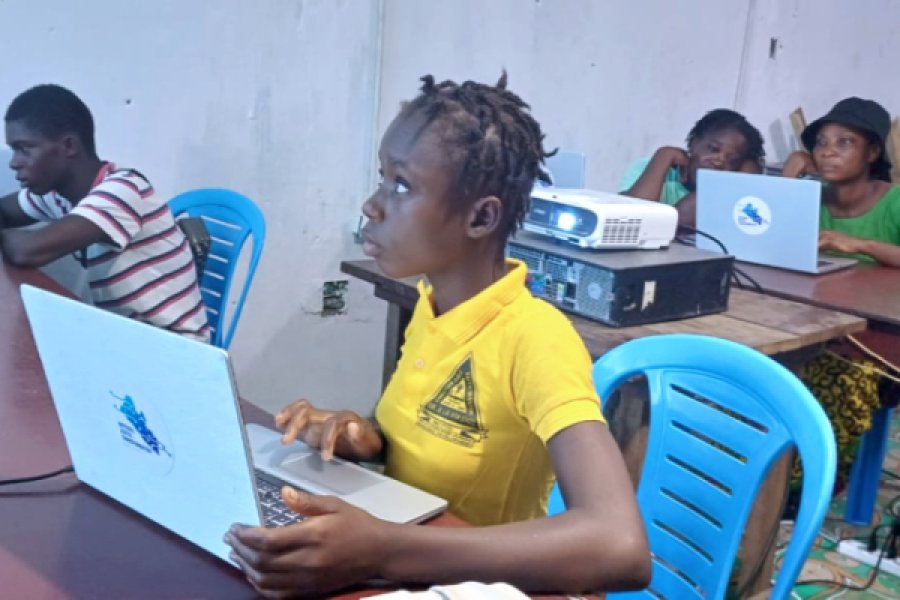
Binary Tree does more than just teach programming. It pays close attention to issues of inclusion, especially for groups that are often left behind in digital conversations. Refugees, students in rural communities, and children from under-resourced schools are deliberately included in training and outreach.
The non-profit has also partnered with startups working on artificial intelligence and natural language processing for African languages. These collaborations are vital because Africa’s digital future cannot rely solely on imported solutions—it must also support homegrown innovation. By ensuring their curriculum touches on new technologies, Binary Tree is preparing young Africans for both today’s job market and the industries of the future.
Equally important is the emphasis on web safety. As more young people get online, the risks of cyberbullying, misinformation, and fraud also rise. Binary Tree’s workshops include sessions that teach students how to navigate the internet responsibly, protecting both their privacy and their wellbeing.
Empowering Graduates for the Labour Market
For many students, the most valuable part of Binary Tree Africa digital training is not just the knowledge they gain, but the confidence and recognition that follow. Graduates are encouraged to list Binary Tree as a professional reference when applying for jobs or internships. This gives employers assurance that the candidate has completed structured and supervised training.
In countries where youth unemployment remains a stubborn challenge, this is no small benefit. Many young Africans possess creativity and ambition, but lack the training that employers demand. By bridging this gap, Binary Tree is opening doors for its alumni to pursue roles in software development, digital marketing, data entry, and other fast-growing fields.
The organisation also maintains an active alumni network, where former students can share opportunities, continue learning, and mentor new participants. This cycle of growth ensures that the impact of each training programme extends far beyond the classroom.
Why This Expansion Matters
Africa is home to the world’s youngest population, with more than 60% of its people under 25. At the same time, digital adoption on the continent is booming—from fintech apps in Nigeria to mobile learning platforms in Kenya. Yet millions of young people are still locked out because they lack the technical skills to participate fully in the digital economy.
Binary Tree’s expansion offers one practical solution. By focusing on accessible training, inclusivity, and employability, the non-profit is showing how grassroots organisations can complement government and private-sector efforts in building Africa’s human capital.
With over 1,100 students already trained, the organisation is still scratching the surface. But if its model continues to grow—bringing together global volunteers, local facilitators, and forward-looking partnerships—it could help thousands more young Africans turn digital dreams into reality.
Join Our Social Media Channels:
WhatsApp: NaijaEyes
Facebook: NaijaEyes
Twitter: NaijaEyes
Instagram: NaijaEyes
TikTok: NaijaEyes