
It isn’t news anymore that Nigeria’s e-hailing sector is expanding fast, thanks to booming smartphone use, rapid urbanisation, and a growing middle class. Projections peg the market at around USD 402 million by 2025, with an impressive compound annual growth rate (CAGR) of 7.8% through 2031, spotlighting it as a prime battleground for both local and global players, according to AInvest.
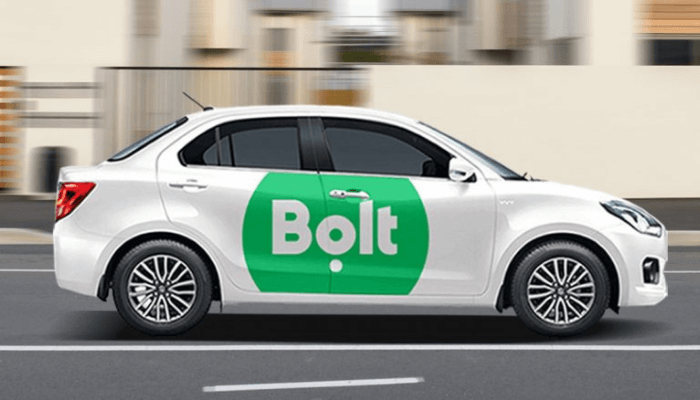
In this heated space, Bolt has quietly charted a bold recalibration—not just reacting to pressures but architecting a path toward consolidation, efficiency, and long-term investor appeal. Its refreshed strategy is a rare blend of driver empathy, technological finesse, and regulatory alignment—precisely the ingredients needed to stay ahead in a highly competitive environment.

Driver Rewards and Dynamic Pricing: Fuel-Smart Commission Cuts
At the heart of Bolt’s new playbook is a dynamic commission model launched in Lagos in 2025. Instead of the old flat-rate fees that crushed driver earnings (especially when fuel prices shot up), top-performing drivers can now pay as little as 7.5% commission, based on performance metrics like availability, response speed, and customer ratings.
This reward-for-excellence system is a marked departure from ad-hoc incentives such as the one-time 15% bonus in 2022. Now, drivers who consistently deliver quality service benefit, while Bolt protects its bottom line and service consistency. Analysts see this as a smart balance—motivating efficiency without diluting service quality—making the model vastly more sustainable and potentially scalable across other African markets.

Safety Innovation and Regulatory Harmony: Building Rider Trust
Bolt hasn’t stopped with pricing. Its operational upgrades are just as strategic. A striking 42% drop in offline trips, achieved through real-time monitoring and algorithmic corrections, has significantly reduced fare disputes and rider harassment.
Safety features like in-app Trusted Contacts (which saw usage rise by 298%) and Pickup PINs are now part of a broader global safety initiative valued at US $107 million. These tools don’t just make the platform safer—they also align Bolt with the forthcoming Ride-Hailing and Smart Mobility Bill, 2025, which has stringent safety and service standards. By preemptively raising the bar, Bolt is positioning itself not just as compliant, but as an industry benchmark.
Meanwhile, its flexible pricing options—including a bidding mechanism during peak hours and an Economy tier of more affordable rides—are helping to meet the unique needs of Nigerian riders battling traffic and budget constraints. Smaller rivals simply lack the technical or financial muscle to respond at Bolt’s pace, which only further cements Bolt’s leadership.
Investors in the Driver’s Seat: Strategic Expansion and Sustainability
What does all this mean for investors? Quite a lot, actually.
Firstly, Bolt’s embrace of locally attuned innovations—like motorcycle (okada) hailing and mixed cash/digital payment support—helps it serve diverse segments in Lagos, Abuja, and beyond.
Secondly, with the Ride-Hailing and Smart Mobility Bill, 2025 around the corner (which mandates regulatory compliance), Bolt stands ahead as a partner of choice—its safety investments and transparency set it apart as a safer, more compliant platform.
Thirdly, Bolt’s driver-centric strategy builds resilience. By boosting driver earnings and reducing turnover, the platform maintains higher service consistency—a virtuous cycle that retains riders and edges out weaker competitors, accelerating consolidation.
In plain terms: for investors seeking growth backed by local know-how, regulatory foresight, and operational efficiency, Bolt’s strategic pivot is a compelling story of consolidation in motion.

Conclusion
Bolt’s strategic shift in Nigeria’s e-hailing market isn’t just reactionary—it’s visionary. By engineering smarter commission models, elevating safety, and syncing with regulation, the company is laying the foundation for enduring market dominance. For market watchers and investors, Bolt’s strategy offers a rare playbook showing how you consolidate and expand responsibly, especially in a challenging and fast-evolving ecosystem like Nigeria’s.
Join Our Social Media Channels:
WhatsApp: NaijaEyes
Facebook: NaijaEyes
Twitter: NaijaEyes
Instagram: NaijaEyes
TikTok: NaijaEyes