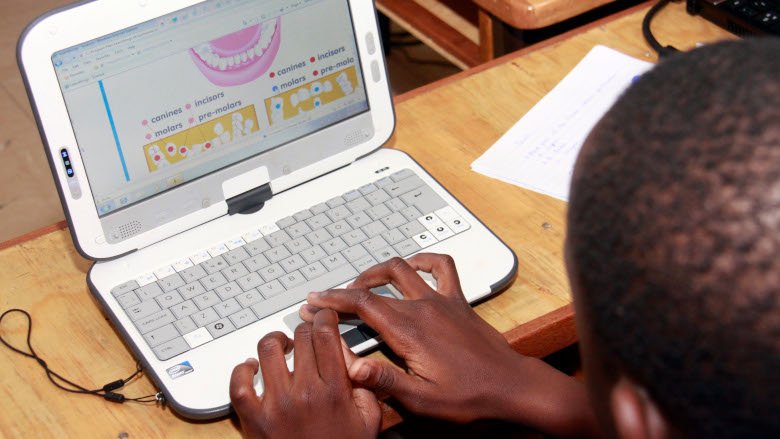
A growing shift in Africa’s education landscape took centre stage on March 28, 2026, as Brainwave Africa convened educators, students, and parents in Kampala to rethink how technology can improve learning outcomes. The gathering, which doubled as the launch of a new digital learning platform, reflects a broader continental push to make education more accessible, practical, and responsive to real classroom needs.
At a time when many African countries are investing heavily in education technology, the initiative stands out for its grassroots approach. Rather than relying solely on policy frameworks or top level reforms, the dialogue focused on lived experiences from classrooms and communities, creating a space where those directly affected by digital learning could shape its future.
Table of Contents
A Community First Approach to Digital Learning Innovation
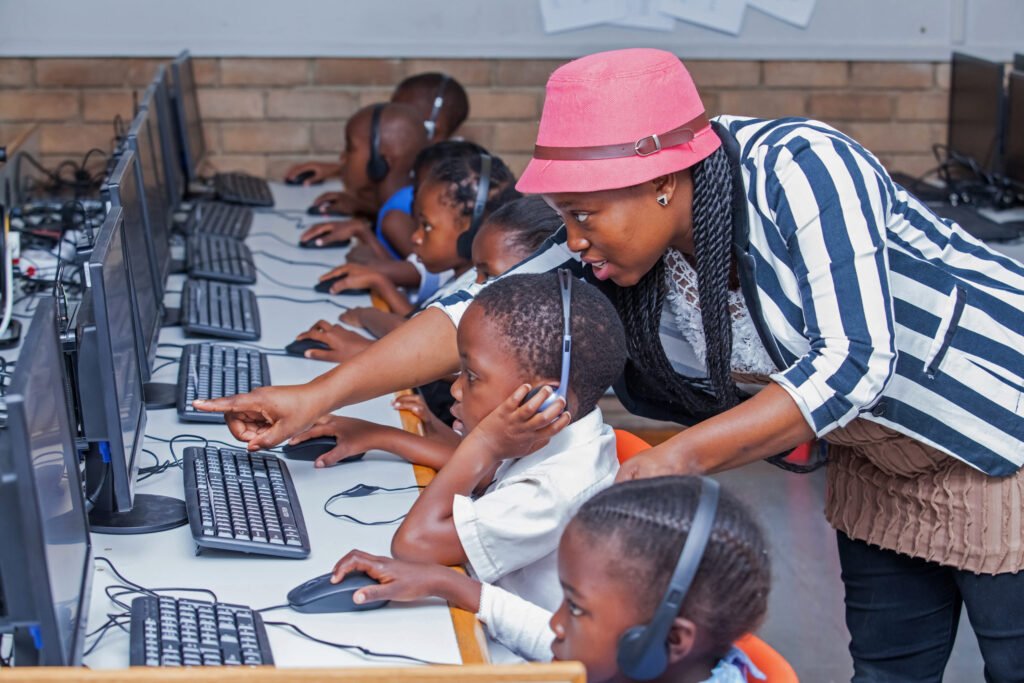
The event brought together a diverse mix of stakeholders, including teachers, students, school leaders, and parents, all contributing perspectives on how digital tools are currently being used and where improvements are needed. Unlike many formal conferences, the emphasis here was on open conversation and shared realities.
Organisers framed the dialogue around the theme of reimagining access to education through digital learning, highlighting the need for inclusive solutions that reflect Africa’s unique educational challenges.
Participants shared firsthand accounts of both progress and persistent barriers. While digital tools are increasingly present in classrooms, issues such as connectivity, affordability, and digital literacy continue to limit their full impact. These challenges are not unique to Uganda but resonate across many parts of Africa, including Nigeria, where similar gaps in infrastructure and teacher training remain a concern.
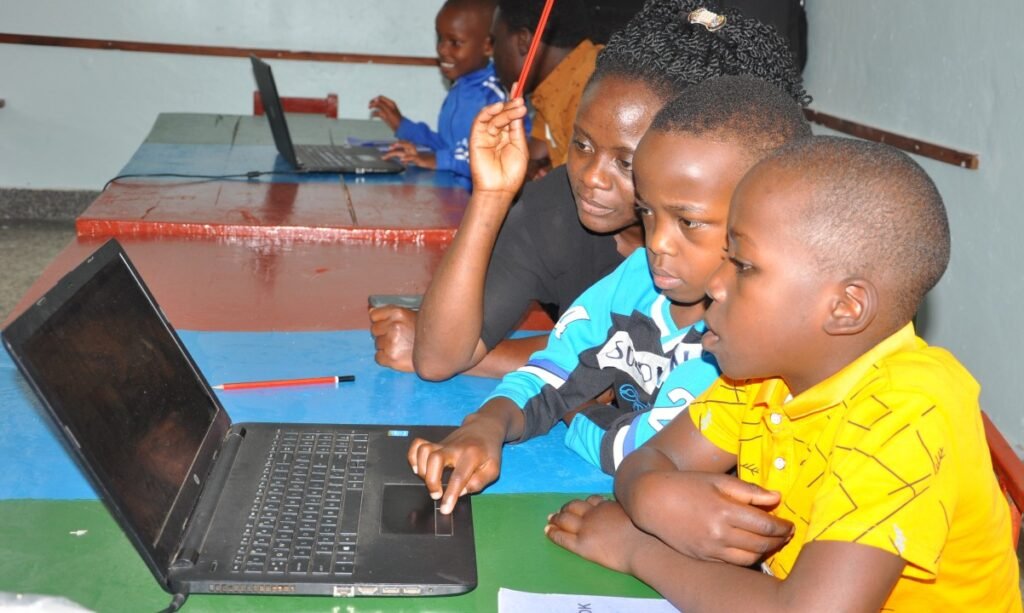
What made the conversation particularly relevant was its grounding in everyday experiences. Teachers spoke about adapting lesson plans to digital formats, students highlighted the flexibility of online resources, and parents raised questions about accessibility and supervision. The result was a balanced and practical discussion that moved beyond theory.
Launch of a Homegrown Platform Designed for African Learners
A major highlight of the event was the unveiling of Brainwave Africa’s digital learning platform, developed locally to address specific gaps in the education system. The platform is designed to complement traditional teaching methods rather than replace them, offering flexible and skills focused learning pathways.
This hybrid approach aligns with Brainwave Africa’s broader vision of creating a learner-centred system that prioritises relevance and affordability.
The platform aims to expand access to quality education by providing digital resources that can be used both in and out of the classroom. For many learners, especially those in underserved communities, such tools could represent a significant step forward in bridging the gap between urban and rural education standards.
Importantly, the developers have focused on practicality. Instead of building a one-size-fits-all solution, the platform incorporates local context, recognising that African learners often face constraints that global platforms do not fully address. This includes limited internet access, cost barriers, and the need for culturally relevant content.
For Nigerian educators and policymakers watching developments across the continent, this model presents a compelling case for investing in local innovation rather than relying entirely on imported solutions.
Why Grassroots Dialogue Matters in Africa’s Education Transformation
The decision to centre the event on community dialogue reflects a growing recognition that sustainable education reform must involve those on the frontlines. Across Africa, there has been increasing criticism of top-down approaches that fail to capture the realities of classrooms.
By creating a space where teachers, students, and parents can speak directly, Brainwave Africa is contributing to a more participatory model of education development. This approach not only builds trust but also ensures that solutions are practical and widely accepted.
Recent developments in Uganda’s education sector show that digital learning is gaining momentum, with government and private stakeholders expanding access to technology in schools. However, experts continue to stress the importance of balancing access with proper guidance, especially when it comes to internet use and digital safety.
This is where community engagement becomes critical. Without input from those who use these tools daily, even the most advanced technologies risk missing their mark. The dialogue model helps bridge this gap, ensuring that innovation is grounded in reality.
For Nigeria, where education reforms often struggle with implementation challenges, this lesson is particularly important. Engaging communities early in the process could help improve adoption and long term impact.
The Bigger Picture for Africa’s Digital Education Future
The launch of Brainwave Africa’s platform and its accompanying dialogue is part of a wider movement towards digital transformation in education across the continent. From government initiatives to private sector innovations, there is a clear push to integrate technology into learning systems.
However, the success of these efforts will depend on how well they address key challenges such as affordability, infrastructure, and digital literacy. In many African countries, access to devices and reliable internet remains uneven, limiting the reach of digital education.
At the same time, there is growing optimism about the potential of locally developed solutions. By tailoring platforms to the specific needs of African learners, organisations like Brainwave Africa are helping to create more inclusive and effective education systems.
The emphasis on skills-based learning is another important trend. As economies evolve, there is increasing demand for practical competencies that go beyond traditional academic knowledge. Digital platforms can play a crucial role in meeting this demand, offering flexible and personalised learning experiences.
Ultimately, the significance of this initiative lies not just in the technology itself but in the approach behind it. By combining innovation with community engagement, Brainwave Africa is setting a model that could influence education systems far beyond Uganda.
For Nigeria and other African countries navigating similar challenges, the message is clear. The future of education will not be defined by technology alone, but by how well it is integrated into the realities of everyday learning.
Join Our Social Media Channels:
WhatsApp: NaijaEyes
Facebook: NaijaEyes
Twitter: NaijaEyes
Instagram: NaijaEyes
TikTok: NaijaEyes