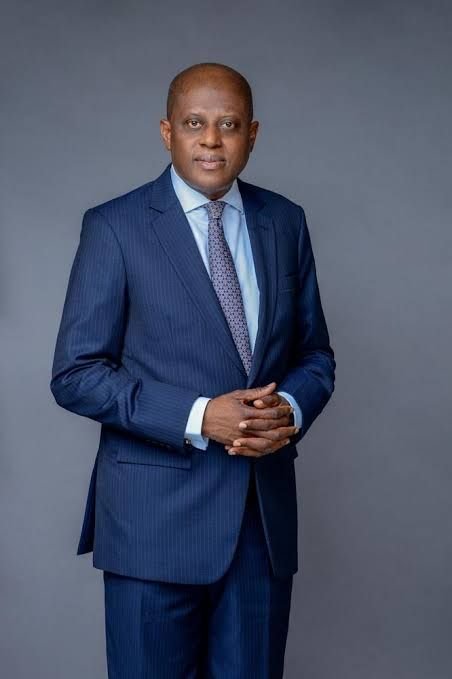
CBN Governor Olayemi Cardoso confirms 32 banks have surpassed recapitalization targets ahead of deadline
The Nigerian financial sector is witnessing a historic transformation as Governor Olayemi Cardoso announced that 32 banks have already met the Central Bank of Nigeria’s (CBN) revised minimum capital requirements well ahead of the official deadline.
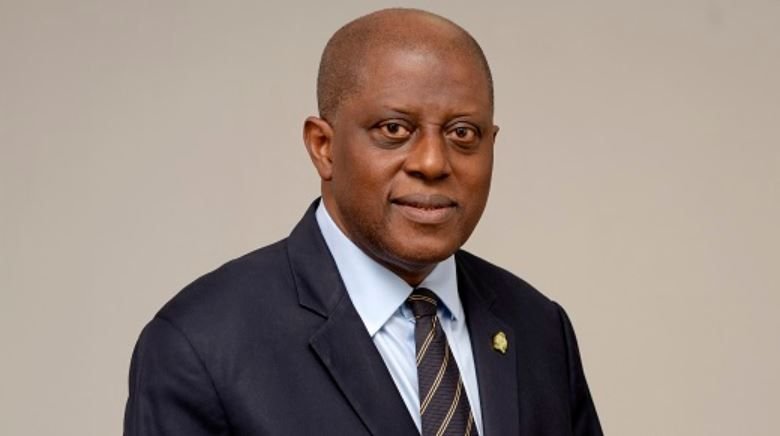
Speaking at a Monetary Policy Forum in Abuja, Cardoso described this achievement as a “commendable” milestone that underscores the growing resilience of our domestic banking system. As a professional editor who has tracked the “vibrations” of our financial markets for decades, I find this development particularly striking.
It signals a shift from a defensive posture to one of aggressive growth, providing the necessary “ginger” to support Nigeria’s ambitious goal of becoming a $1 trillion economy. For the average Nigerian, this means a more stable banking environment where their deposits are shielded by much stronger buffers against global economic shocks.
Strengthening the foundation for Nigeria’s $1 trillion economy ambition
The primary objective of this recapitalization exercise is to ensure that our banks have the “muscle” to support large-scale infrastructure and industrial projects. By mobilizing approximately N4.61 trillion in fresh capital, the sector is now better positioned to drive long-term investment.
This capital injection is not just about meeting a regulatory number; it is about expanding the capacity of Nigerian banks to compete on a global stage. Governor Cardoso emphasized that the “most challenging phase” of our macroeconomic adjustment is now in the rearview mirror.
This new level of liquidity allows the banking system to move beyond short-term lending and focus on the productive sectors of the economy that will ultimately improve the standard of living for the “common man.”
Beyond capital: A comprehensive overhaul of banking governance and risk
While the numbers are impressive, the CBN is also implementing a deeper structural overhaul to ensure that this new capital is managed with the highest level of integrity. The governor highlighted a series of “sentinel” reforms, including a new risk-based capital framework and stricter enforcement of rules regarding insider lending.
These measures are designed to prevent the systemic leaks that have historically weakened our financial institutions. By upgrading supervisory capacity through digital early warning systems and enhanced off-site surveillance, the CBN is ensuring that the “vibrations” of potential distress are caught early.
This shift toward a more transparent governance model is essential for restoring the trust of both local depositors and international partners.
Macroeconomic stability as inflation retreats and foreign reserves soar
The success of the banking reforms is being supported by a significantly improved macroeconomic environment. Governor Cardoso revealed that aggressive monetary tightening has successfully reversed the inflationary trend, with headline inflation dropping sharply from 34.8% in late 2024 to 15.06% in February 2026. This stability is further bolstered by the state of our “national purse,” as gross external reserves have climbed to over $50 billion.
The disciplined management of our reserves, including the integration of gold and more efficient asset management, has provided a formidable shield for the Naira. For the business community, this downward trend in inflation and the growth in reserves provide a more predictable environment for planning and expansion.
Restoring international confidence through fiscal discipline and FX reforms
Perhaps the most visible sign of Nigeria’s economic recovery is the restoration of credibility in our foreign exchange market and fiscal management.
The clearing of over $7 billion in verified FX backlogs and the surge in diaspora remittances—which have grown to $600 million monthly—reflect a structural shift in investor confidence.
Furthermore, the drastic reduction in “Ways and Means” financing from N26.95 trillion to just N2.84 trillion marks the end of an era of fiscal dominance that previously fueled inflation. With sovereign rating upgrades from Fitch and Moody’s, and Nigeria’s exit from the FATF grey list, the nation is once again being viewed as a destination for serious capital.
This coordinated effort between monetary and fiscal authorities is paving the way for a stable, prosperous, and inclusive economic future.
Join Our Social Media Channels: