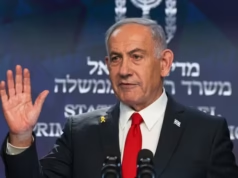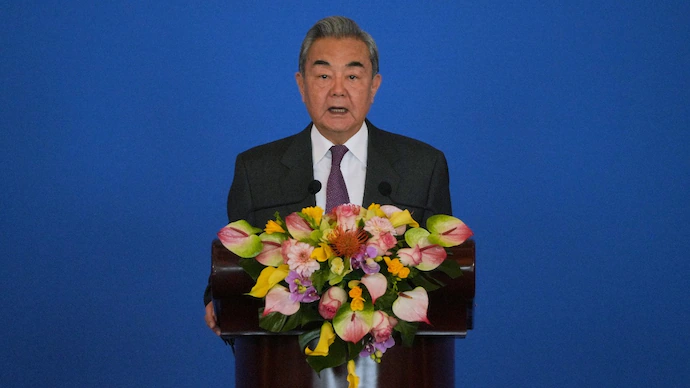
China has taken a firm stand against recent military actions by the United States and Israel that struck targets inside Iran, resulting in the death of Iran’s Supreme Leader. In a break from its usual cautious diplomatic language, Beijing has condemned the attacks and openly urged an immediate end to all hostilities and a return to talks to calm tensions in the Middle East.
The Chinese Ministry of Foreign Affairs said in an official statement that the strikes undermined respect for national sovereignty and threatened to push a fragile region into deeper chaos. This appeal comes as Iran’s retaliatory actions continued to shake parts of the Gulf and threaten wider conflict.
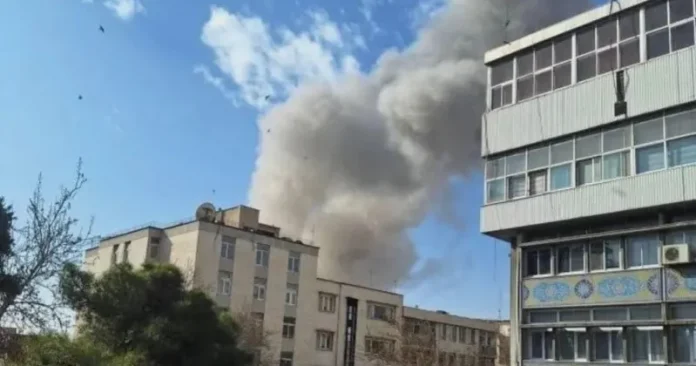
Diplomatic Alarm Over Deadly Strikes and Regional Fallout
China’s reaction to the US and Israeli offensive was unusually direct. According to officials in Beijing, striking Iran during ongoing negotiations with the United States violated basic principles of international relations. China argued that the killing of a sovereign state’s leader risked destabilising the region and derailed efforts at a peaceful resolution.
Foreign Minister Wang Yi spoke with his Russian counterpart to coordinate a call for peaceful engagement and restraint. Both Beijing and Moscow have consistently expressed worry that the conflict could spread beyond Iran’s borders and draw in other regional and global powers. China’s statement stressed that Iran’s sovereignty and territorial integrity must be respected and that diplomacy, not force, is necessary to address disputes.
Beijing’s concern reflects deeper geopolitical fault lines in global diplomacy. The United States says its strikes were aimed at neutralising security threats, while Iran has vowed to continue its response. China sees the use of force as counterproductive and has urged all sides to step back from actions that could escalate into a larger war.
Safety Warnings for Chinese Citizens Abroad
Alongside its diplomatic appeal, China’s embassy in Israel and its embassy in Iran issued urgent notices to Chinese nationals in both countries. The advisories urged citizens to leave dangerous areas and seek safer conditions as quickly as possible. In Israel, China advised citizens to travel to Egypt via the Taba border crossing if possible, while in Iran, it listed several possible land routes through neighbouring countries for evacuation.
The foreign ministry also warned against travel to the region, reflecting Beijing’s heightened concern about the security situation. At least some Chinese citizens were reported to be injured in the conflict, prompting the government to prioritise their safety.
The clashes have disrupted air travel, with at least one major airline announcing suspensions and rerouting flights to avoid the conflict zone. This underscores the growing ripple effects of the conflict on international travel and commerce.
Calls for Dialogue and De-escalation
Chinese state media and official statements have been critical of what they describe as “power politics and hegemony”, arguing that any attempt to force political change by military means is unacceptable. Beijing emphasised that dialogue and negotiations are the only viable way to settle differences and prevent further bloodshed.
In its commentary, China’s state-run news agency stressed that using military force at this critical junction violated the purposes and principles of the United Nations Charter. The agency warned that continued hostilities could drag the Middle East toward a dangerous tipping point with unpredictable consequences for global security.
Internationally, reactions have been mixed. Some countries support the strikes, citing concerns over Iran’s military activities and nuclear ambitions. Others, including several European nations and multilateral organisations, have called for restraint and renewed diplomacy. China’s message, however, is notable for its strong emphasis on immediate ceasefire and respect for national sovereignty.
As diplomatic pressure grows, world leaders are watching closely to see whether this conflict will be contained or spiral into a wider confrontation. The United Nations Security Council continues discussions on emergency measures, with several members urging all parties to pursue a peaceful way forward and uphold international law.
What Comes Next?
China’s appeal adds to broader international efforts to cool tensions after days of intense military activity. Whether this call for an immediate ceasefire moves the belligerents closer to peace remains uncertain. Iran’s leadership transition following the death of its Supreme Leader represents a significant moment for the country, while the United States and Israel maintain that their actions were necessary to address security threats.
The situation is dynamic, and diplomatic efforts are likely to continue in the coming days as the global community watches for signs of escalation or resolution. Analysts have warned that any misstep could widen the conflict beyond the Middle East. In this delicate context, China’s call for a ceasefire and diplomacy resonates with nations that favour negotiations over military confrontation.
Join Our Social Media Channels:
WhatsApp: NaijaEyes
Facebook: NaijaEyes
Twitter: NaijaEyes
Instagram: NaijaEyes
TikTok: NaijaEyes