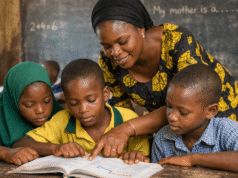
Nigeria is at a crossroads in education. For decades, the nation’s school curriculum has struggled to reflect the realities of a fast-changing world and the urgent demands of local and global economies. Voices from educators, policymakers and civil society are now calling for a bold and comprehensive reimagining of how Nigerian children are taught so that the system produces graduates ready to thrive in the twenty-first century. What is happening today in schools and policy circles shows a nation trying to move beyond a static legacy system to one that opens real opportunities for young Nigerians.
Table of Contents
A Curriculum Stuck in Time
Critics of the Nigerian education system argue that the national curriculum has been rooted for far too long in content and teaching methods that are not fit for current realities. Much of the existing framework dates back decades, influenced by colonial models that prioritised rote memorisation and theoretical knowledge over practical application and creativity. This has left a growing gap between what students learn and the skills required by modern industries, leading to a cycle of unemployment, underemployment and a skills mismatch in the labour market.
According to educational thinkers, this disconnect is more than a bureaucratic problem. It is a structural barrier that holds back the potential of learners and limits the country’s capacity to compete globally. Rather than learning in ways that nurture critical thinking, innovation and adaptability, many students are often drilled in examinations and memorisation that do little to prepare them for evolving opportunities.
These concerns have fuelled a broader national debate about the purpose of schooling in Nigeria. Is the primary goal to pass exams, or should schools develop citizens equipped with practical skills, problem-solving abilities and an entrepreneurial mindset? For many stakeholders, the answer is clear: the current curriculum is outdated and must be rethought from the ground up if Nigeria is to benefit from its human capital.
What the New Curriculum Intends
In response to these long-standing concerns, the Federal Government of Nigeria launched a major curriculum reform in 2025 aimed at reducing subject overload, strengthening core competencies, and embedding practical, future-oriented skills across all levels of basic education. The initiative, often described as Lighter Loads, Stronger Minds, seeks to streamline what learners study and how they learn so that students graduate with both academic knowledge and useful skills for life.
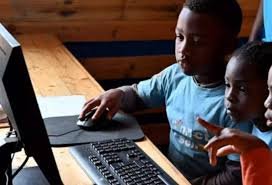
Under the revised framework, the number of subjects pupils take at primary and secondary levels has been significantly reduced in order to allow deeper engagement with essential areas such as literacy, numeracy, science and technology. Subjects that reflect real-world demands have also been introduced or strengthened. For example, digital literacy, entrepreneurship and practical vocational skills form part of the new curriculum, giving students opportunities to explore fields like solar photovoltaic installation, fashion design, livestock farming, horticulture and ICT repairs.
Another key change is the reintroduction of Nigerian History and Citizenship Studies to ensure that pupils have a stronger sense of national identity and civic responsibility from an early age. This shift acknowledges that education is not only about technical skills but also about grounding learners in their cultural and civic heritage.
Proponents of the reform emphasise that the new curriculum does more than update subjects. It aims to foster competency-based learning, where students are assessed on their ability to apply knowledge, think critically and solve problems, rather than simply memorising facts for exams. This aligns Nigeria with global educational trends that prioritise skills like creativity, digital fluency and collaboration.
Implementation Challenges and Voices from the Field
Making this bold vision a reality is proving difficult. Schools across the country, particularly public institutions in rural areas, are struggling to fully implement the new curriculum due to shortages of trained teachers, infrastructure and learning materials. Reports show that two weeks after schools reopened for the 2025/2026 academic year, many institutions were still grappling with how to deliver vocational and digital subjects effectively. Some public schools lack the resources to teach specialised skills like solar installation or advanced digital literacy, while private schools in urban areas are better positioned to adapt quickly.
Education stakeholders, including teachers, parents and advocacy groups, have expressed concerns that the rollout was rushed. They argue that schools need more time to prepare, that trainers and educators require continuous professional development, and that necessary infrastructure must be in place before the curriculum can achieve its goals. Without adequate preparation and support, there is a real risk that well-intentioned reforms could falter at the classroom level.
These challenges reflect deeper systemic issues in Nigeria’s education landscape: limited funding, insufficient training, uneven infrastructure across regions and a lack of long-term planning. Many education experts say that true transformation will require sustained investment, strong leadership, and collaboration between government, teachers, communities and the private sector.
Despite these hurdles, the reform effort has generated optimism among many educators who see it as a once-in-a-generation opportunity to reset the education system. The shift toward practical, skills-based learning is welcomed by employers and youth advocates alike, who feel that it could lead to a generation of Nigerians more capable of creating jobs, innovating in their communities and competing globally.
Pathways to a Future-Ready System
Realising the promise of the new curriculum requires a focus on implementation that goes beyond policy statements. Key priorities include extensive teacher training so that educators understand and can deliver the new syllabus confidently, as well as investment in facilities that support hands-on learning in technology and vocational fields. There is also a need to nurture a cultural shift where technical and vocational skills are valued alongside academic excellence.
Partnerships between schools, industry and civil society organisations can help bridge gaps in resources and expertise. For example, collaborations with technology firms could help equip classrooms with computers and internet access, while partnerships with local businesses could expose students to real-world training opportunities.
Monitoring and evaluation will be crucial. Policymakers must track how the curriculum performs in diverse contexts across Nigeria and be willing to adapt based on evidence from classrooms. Success should not be measured solely by exam results but by whether students are gaining skills, confidence and opportunities that lead to meaningful livelihoods.
Ultimately, reimagining education in Nigeria is about more than curriculum content. It is about reaffirming the belief that every child has potential that can be nurtured through a system that is relevant, inclusive and forward-thinking. If Nigeria can build an education system that aligns with the needs of its people and the demands of the modern world, it will create a foundation for sustainable development and prosperity for generations to come.
In summary, Nigeria’s curriculum reform represents a significant step toward equipping learners with the skills they need to succeed in life and work. However, the success of this effort depends on how well it is implemented, supported and sustained across the education ecosystem. With commitment and thoughtful action, the nation can shift from a model that is out of time to one that honours the potential of its children and strengthens the future of the country.
Join Our Social Media Channels:
WhatsApp: NaijaEyes
Facebook: NaijaEyes
Twitter: NaijaEyes
Instagram: NaijaEyes
TikTok: NaijaEyes