In 2026, the digital world is facing a turning point. New research from global cybersecurity leaders reveals that the biggest shift in online security is no longer just about hackers and ransomware. Instead, artificial intelligence (AI) has transformed how attacks happen and how defenders respond. The scale and sophistication of modern cyber threats are rising at a pace that many governments, businesses and everyday internet users find hard to keep up with.
The World Economic Forum’s Global Cybersecurity Outlook 2026 surveyed more than 800 experts in 92 countries. Their findings paint a picture of rapid change, where old defence strategies are giving way to a complex fight against AI-powered digital threats. The warnings are urgent, and the implications go far beyond Silicon Valley boardrooms.
Table of Contents

AI’s Dual Role in Cybersecurity
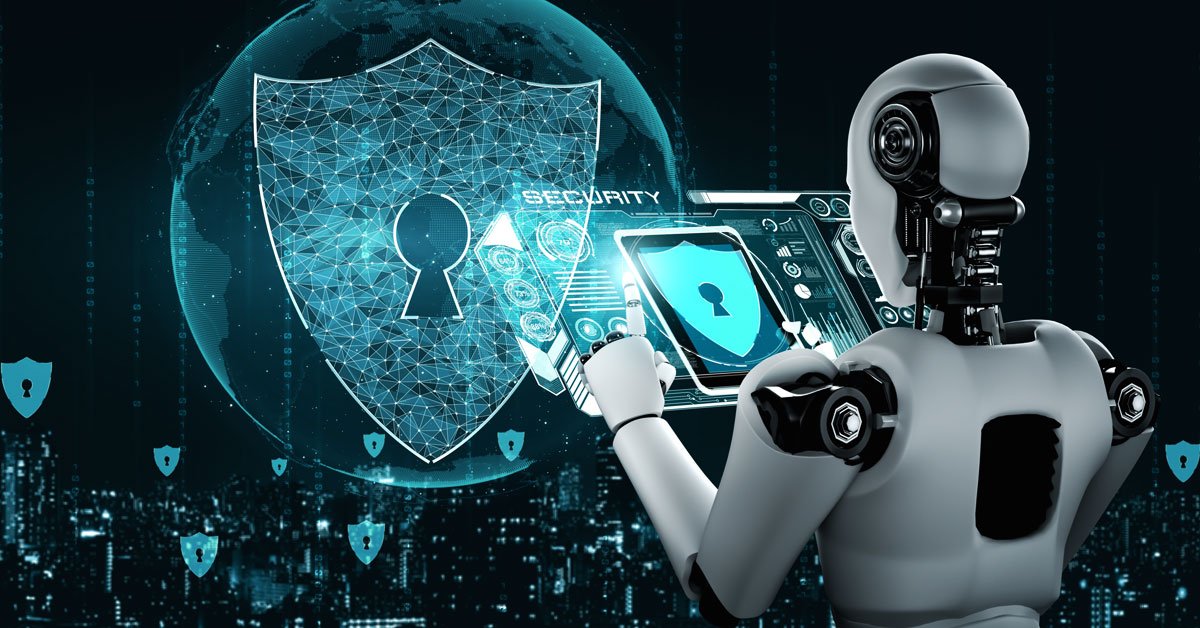
Artificial intelligence is reshaping almost every part of our lives, and cybersecurity is no exception. According to the report, 94 per cent of cybersecurity leaders agree that AI will be the most influential factor in shaping digital security this year. AI tools can help defenders detect threats faster and automate responses. But the same technology is now widely used by attackers to plan and launch cyber offensives that are harder to detect and stop.
The threats run deep. In 2025, 87 per cent of organisations identified AI-based weaknesses as the fastest-growing risk they faced. Experts have already seen attackers use AI to generate phishing emails that look almost real, and to create convincing fake voices and videos designed to trick people into revealing sensitive information. These tactics exploit human trust and make digital scams more believable than ever.
In a striking example of AI’s offensive potential, researchers reported an autonomous AI system that conducted a full cyber espionage mission without human guidance. The system identified targets, discovered vulnerabilities, broke into secure networks, and exfiltrated data back to its controllers, raising serious questions about how organisations will defend against such automated threats.
Despite rising awareness, many institutions rush to adopt the latest AI tools without checking if they are secure. More than one-third of organisations deploy AI tools without proper security vetting, exposing themselves to avoidable risk. Meanwhile, business leaders are increasingly worried about data leaks from generative AI systems. Employees using these tools without supervision may unintentionally expose trade secrets or sensitive company information.
Everyday People Face a Growing Fraud Crisis
While businesses grapple with high-level cyber threats, regular people are facing a surge in fraud. The global survey revealed that about three out of every four respondents either experienced cyber fraud themselves last year or knew someone who did. This points to a widespread and deeply personal side of digital risk that touches ordinary lives.
Traditional scams like phishing have evolved. Attackers now go beyond fake emails and texts to intercept business payments, send bogus invoices, and even open accounts in victims’ names. These scams have become so widespread that they are no longer just individual annoyances, but a serious economic problem. In sub-Saharan Africa, 82 per cent of people reported exposure to malicious digital schemes, and North America was not far behind at 79 per cent.
Interestingly, fraud is now the top concern for business leaders, overtaking ransomware for the first time. Cybercrime has professionalised, with easy-to-access “cybercrime-as-a-service” offerings. Even someone with no technical skills can rent tools to send millions of phishing emails, buy stolen login credentials, or deploy ready-made ransomware kits. This lowers the barrier to entry for would-be attackers and multiplies the number of digital threats.
The fallout is not only financial. Victims of fraud often face long, difficult processes to restore their identity, recover funds, or prove they did not authorise illegal transactions. In places where digital literacy is still growing, scams exploit gaps in public awareness about online risk.
Geopolitics Now Shapes Cybersecurity Strategy
Cybersecurity has moved from a technical concern to a strategic geopolitical issue. According to the latest outlook, 64 per cent of companies now factor geopolitically driven attacks into their risk planning. This shift means decisions about where to invest, who to partner with, and what technology to use are increasingly influenced by global politics.
The report shows that 36 per cent of organisations have increased their focus on threats linked to nation-state actors. A further 19 per cent have changed technology vendors because of geopolitical risk, and 14 per cent have stopped doing business in certain countries entirely. Yet, confidence in government readiness remains low. Only 42 per cent of respondents trust that their national government could effectively respond to a major cyber attack on critical infrastructure.
This scepticism is not unfounded. Digital attacks that coincide with real-world sabotage have already hit critical infrastructure in recent years. One notable instance involved hackers compromising a hydroelectric dam in Norway, causing a controlled release of water over a prolonged period, highlighting how cyber threats can have physical consequences.
With hybrid assaults that blend cyber methods, misinformation, and conventional tactics, companies and governments alike are now adopting holistic security strategies. Cyber risk assessments are no longer limited to technical teams but involve senior leadership and national security policymakers.
Weak Links in Global Supply Chains
Supply chains are another area of intense vulnerability. Sixty-five per cent of large companies now see third-party and supply chain risks as their biggest cybersecurity challenge, up sharply from the previous year. Attacks on suppliers can disrupt entire industries, making supply chain security a top priority.
One high-profile case involved a cyberattack on a major automobile manufacturer that halted production worldwide for several weeks. The direct financial cost reached hundreds of millions, but when ripple effects across the supply ecosystem were included, the broader economic impact climbed into the billions.
Yet many organisations remain reactive rather than proactive. Less than one in three companies regularly simulate cyber incidents with partners, and only a third fully map their supply chain to find weak points. This lack of preparation leaves many businesses blind to vulnerabilities that could easily be exploited by attackers.
Smaller organisations and public sector bodies are particularly at risk. Small companies are twice as likely to report insufficient cyber resilience compared to larger firms, while non-governmental organisations also struggle with limited security resources. The skills shortage in cybersecurity is stark, with 85 per cent of organisations lacking critical expertise.
Looking Ahead: Emerging Threats and Preparedness
Experts warn that even more sophisticated dangers are on the horizon. Autonomous systems and connected robotics may soon introduce physical risks alongside digital ones. As societies move toward cashless economies, digital currency platforms will become vital infrastructure, demanding robust cybersecurity protections.
Undersea communication cables, which carry nearly all international data traffic, receive far less attention than they deserve. Their security is rarely part of national cybersecurity planning, yet a disruption to this network could paralyse global communications. At the same time, advances in quantum computing threaten to disrupt current encryption systems, potentially rendering them obsolete if new cryptographic safeguards are not developed.
Despite these daunting challenges, there is reason for cautious optimism. Thought leaders believe that cyber resilience is achievable if organisations and governments treat security as a strategic priority. That means investing in people, not just technology, improving public awareness, and fostering cooperation across borders. In an interconnected world, no country or company can face these threats alone.
In this new era of digital risk, staying informed, vigilant, and proactive is not optional. It is essential for protecting personal data, company assets, and national security in a future shaped by artificial intelligence.
Join Our Social Media Channels:
WhatsApp: NaijaEyes
Facebook: NaijaEyes
Twitter: NaijaEyes
Instagram: NaijaEyes
TikTok: NaijaEyes